Rest shouldn’t be a reward. It should be a requirement.
25 July 2025
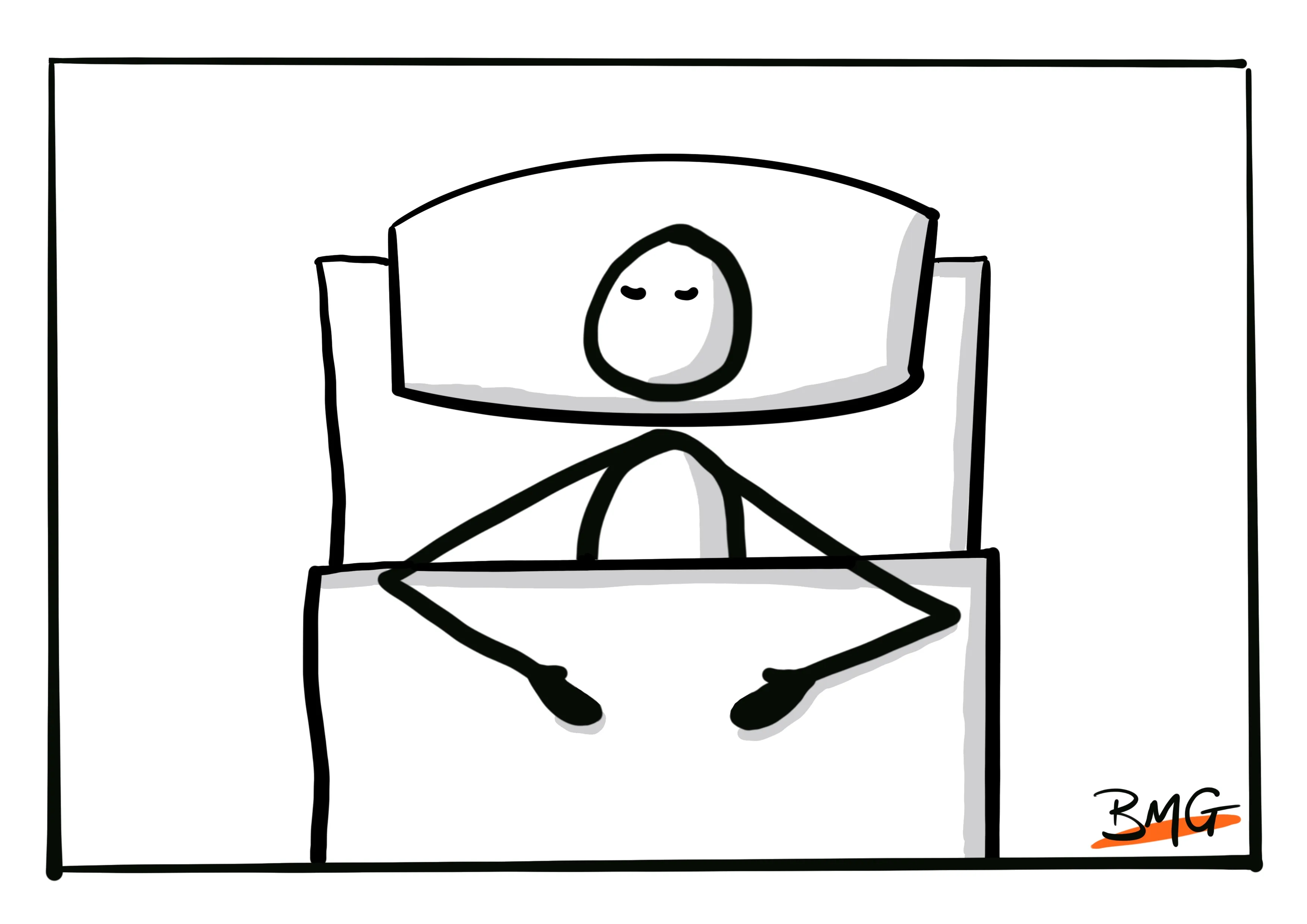
Rest is not idleness, and to lie sometimes on the grass under trees… is by no means a waste of time.”
, John Lubbock
Go to any platform on the internet and you will hear so called high performers handing out phrases like grind, push, stretch, and going the extra mile.
All fair enough in moderation, but here’s the truth very few want to tell you:
You can’t outperform your nervous system and you absolutely can’t grind your way to clarity, or creativity - if anything, you’ll get worse outcomes.
Rest isn’t the thing you earn after the work is done … it’s what makes your best work possible!
My advice would be to use recovery as a productivity tool.
Think of elite athletes. They train in cycles: stress, recovery, adaptation, repeat.
Smart people should do the same.
Don’t think about rest as just sleeping either.
Rest is also:
Time away from screens
Space to think clearly (without solving any problems)
Movement without pressure to perform
Stillness without guilt of “what you could be getting done”
If you’re feeling foggy, unfocused, or flat, it may not be a motivation issue.
It might be a rest deficit.
Burnout doesn’t always come from doing too much, it can often come from never resetting properly.
So my advice to you in this Coaching Corner is that you don’t always need to feel like you’ve earned your rest …
Get ahead of the game and protect it!
Remember, the path to extraordinary is walked with a thousand small steps, you’re doing great!
Small Steps, Giant Leaps is a reader-supported publication. To receive new posts and support my work, consider becoming a free or paid subscriber.

Barry Marshall-Graham
Executive coach and leadership advisor
Get the Difficult Conversations Guide
A practical resource for leaders who want to say the thing that needs saying, without burning bridges or avoiding the moment.
Keep reading
31 August 2026
The Sentence They Nearly Said
A pause or changed expression may lead to the useful part of a conversation, but noticing it doesn't give the coach permission to decode it.
24 August 2026
You Cannot Coach Someone You Are Secretly Judging
Second-hand information may be useful, but once it becomes a character verdict it changes the leader’s listening, questions and tone.
17 August 2026
A Good Question Can Be Badly Timed
The wording may be excellent, but a coaching question can still arrive before the relationship or the moment is ready to carry it.
10 August 2026
Whose Goal Is It Anyway?
A goal can be strategically sensible and still feel unowned. The answer is honest internalisation, not coaching somebody into believing it was their idea.
3 August 2026
The Leader Who Uses Coaching to Avoid Leading
Coaching can create room for another person to think, but it can also help a leader postpone the feedback, standard or decision that belongs to them.
27 July 2026
Advice Wearing a Hat
A coaching question can sound wonderfully curious while quietly steering somebody towards the answer their leader already prefers.
20 July 2026
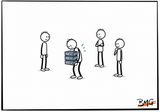
The Emotional Cost of Being the Reliable One
Reliability earns trust, but it can also turn one capable leader into the place where unfinished work, uncertainty, and organisational risk accumulate.
13 July 2026
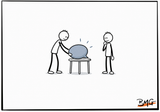
The Relief of Finally Saying the Thing
An overdue conversation occupies far more space than the words themselves. Relief begins when reality is finally allowed back into the room.
6 July 2026
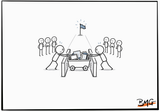
The Sideways Shove
Peer conflict cannot be solved with the Manager Card. Influence begins when leaders stop pushing across borders and repair the working relationship.
29 June 2026
Clarity Under Pressure
Authority is tested when the room tightens. Clear leaders make reality, uncertainty, and the next decision visible without adding drama.