Approval Is Not Your Goal
18 April 2025
Free Yourself from the Fear of Judgement And Earn Some Respect
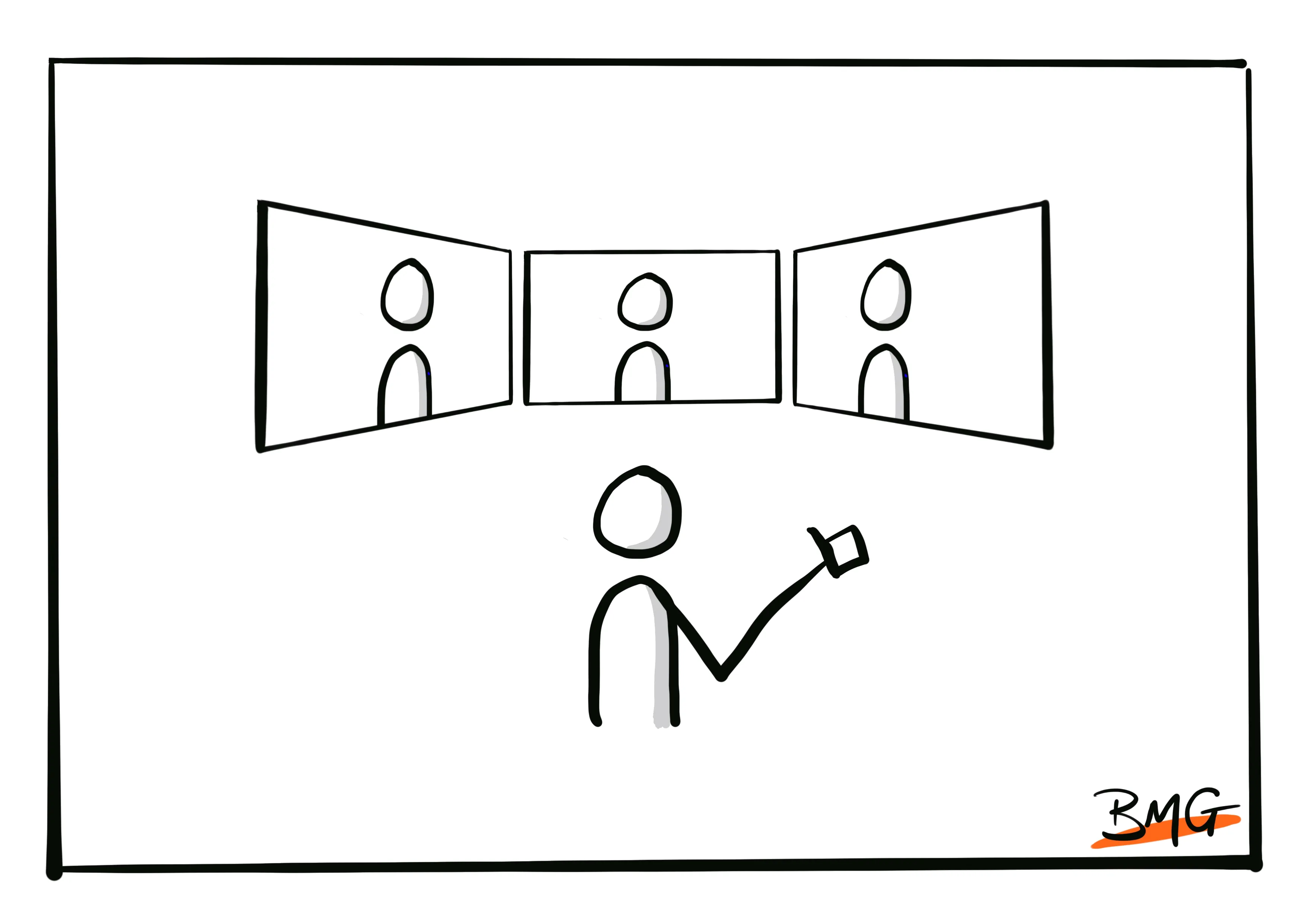
“You are not living to satisfy other people’s expectations.”
– Ichiro Kishimi & Fumitake Koga, The Courage to Be Disliked
Great leaders don’t wake up thinking, How can I please everyone today?
But many leaders act as though they need to.
We avoid hard conversations because we fear the discomfort it might cause.
We soften feedback to protect feelings, even when what’s needed absolute clarity in the pursuit of psychological safety.
We over-explain, over-apologise, over-manage … because somewhere beneath it all, we want to be understood, appreciated, and above all … liked.
But here’s the uncomfortable truth: when you lead from a need for approval, you hand over your power.
It’s a subtle erosion. One that chips away at clarity, conviction, and energy because performing for approval is exhausting. You’re constantly scanning for cues:
Did that land well? Did I upset them? Should I follow up again just to smooth it out?
But here’s the truth: You can do everything “right” and still not be liked. You can lead with heart, honesty, and humility and still be misunderstood.
If you chase approval, you’ll be running forever. But if you chase alignment - with your values, your mission, with what you know to be right - you stand firm in the storm.
Grounded. Steady. Clear.
Who Am I Trying to Please?
There have been moments in my own leadership journey where I’ve played small out of a desire to be liked.
I’ve avoided naming uncomfortable truths because I didn’t want to be labelled as “difficult.”
I’ve softened expectations because I feared being seen as demanding.
I’ve written messages, only to rework them again and again, trying to make sure no one could possibly take them the wrong way.
Each and every time, I’ve sacrificed something - a part of who I am. But I’ve also learned to recognise the pattern. When I feel the pull to please, I ask:
Is this to benefit the work? Or is this more about my own profile?
That one question brings me back to centre because great leadership isn’t theatre. It’s truth-telling in service of something greater than my own ego.
The Courage to Detach from Judgement
In the fantastic book “The Courage to Be Disliked”, the authors introduce a powerful distinction: the task of self and the task of others.
Put simply: What is mine to carry … and what is not?
When you take on the task of managing how others perceive you, you’re stepping into a role that’s not yours.
You begin to perform, not lead.
You edit yourself to avoid being misunderstood.
You dilute your message to avoid friction.
You manage perception instead of standing in purpose.
This isn’t strength - it’s survival. And over time, it will wear you down.
True leadership maturity arrives when you realise:
Being judged is inevitable. But being governed by judgment is optional.
Leading with Internal Anchoring
If approval is not the goal, then what is?
The goal is alignment with your values, your role, and your responsibility.
The goal is clarity - not with everyone liking your message, but everyone understanding it.
The goal is service - not of your self-image, but of the objective, the team, and the long game.
This doesn’t mean becoming cold or callous, in my experience quite the opposite is true. When you lead from principle instead of approval, you free yourself to be more present, direct, and honest because you’re no longer trying to shape how others see you.
You’re simply showing up, with integrity and care, and letting your leadership speak for itself.
A quick pause
If this is helpful, the free guide goes deeper, and the newsletter brings ideas like this twice a week.
Reflection Prompts
Where in your leadership are you holding back out of fear of judgement?
What conversations are you avoiding because you want to protect your image?
Am you leading to be liked, or leading to be useful?
How would you act differently if you were anchored only in what’s right, not in what’s received well?
What would shift in your leadership if you gave up trying to be understood and focused instead on being clear and firm?
Final Thoughts
The simple facts are:
You were not given your leadership role to keep everyone happy.
You were not chosen to soothe discomfort or to avoid friction.
You were entrusted to lead … to guide with conviction, to decide with courage, and to serve something bigger than your own comfort.
Yes, approval can feel like affirmation. It can feel like connection, even safety. But if you lead in pursuit of approval, you’ll eventually find yourself bending away from your values to maintain a peace that isn’t real.
Approval may feel like a reward, but it can quickly become a trap because when being liked becomes the goal, truth gets negotiated.
Standards get lowered.
Decisions get delayed.
And leadership loses its edge.
Always remember that real leadership comes from being anchored.
Anchored in values. Anchored in experience. Anchored in the quiet conviction that your worth isn’t dependent on praise, nor permission.
That’s where your strength is.
That’s where your freedom is.
And that’s where your team will really begin to follow your lead, because you will have earned their respect.
Remember, the path to extraordinary is walked with a thousand small steps, you’re doing great!
Your Small Steps
Isn’t it important to be liked as a leader?
It’s important to be respected. Being liked is a by-product of trust and consistency - but if it becomes the goal, you’ll compromise clarity and integrity. Respect lasts longer than popularity.
How do I stop caring what others think of me?
You don’t have to stop caring. You just need to stop being led by it. Notice the pull for approval, then return to your anchor: your values, your purpose, your principles.
Won’t I seem cold if I don’t adjust for how people feel?
Not at all. You can care deeply while holding firm. Compassion and candour can coexist. The goal is not to avoid discomfort, but to walk through it with presence and integrity.
How do I handle being misunderstood or disliked when I make tough calls?
Accept that it will happen. Your role isn’t to control others’ reactions - it’s to lead with clarity and courage. Misunderstanding is often part of growth - for you and for them.
What if my team misinterprets my intentions when I stop softening my message?
Clarity can feel sharp if people are used to ambiguity. When you shift from people-pleasing to principle-based communication, it’s helpful to explain the why. Say, “I’m being more direct because I want us to be clear, aligned, and effective - not because I care less, but because I care enough to be honest.”
How do I know if I’ve crossed the line from being empathetic to being an approval seeker?
Ask yourself: Is this about supporting them, or managing how they see me?
Empathy holds space for others’ emotions. Approval-seeking manages them. If your decisions are distorted by a need to protect how you’re perceived, you’ve likely slipped into performance over principle.
Can you be an emotionally intelligent leader and still be firm and unpopular at times?
Absolutely. Emotional intelligence is not about being agreeable - it’s about being attuned. Sometimes, being attuned means recognising that the harder path is the right one. A leader who can hold tension, stay present, and still make tough calls is far more impactful than one who sacrifices truth for temporary harmony.

Barry Marshall-Graham
Executive coach and leadership advisor
Get the Difficult Conversations Guide
A practical resource for leaders who want to say the thing that needs saying, without burning bridges or avoiding the moment.
Keep reading
13 March 2026
The Weight of Unshared Doubt
Why senior leadership feels lonelier as you rise, and why confidence is often just unshared doubt.

9 March 2026
Why Your Best Advice is the Problem
Why the rush to fix others is actually a specific insecurity, and how to stop.

6 March 2026
The Weight in Your Voice
Your words carry more weight than you realise. Calm authority is often a matter of pace, tone, and the courage to name what matters.

2 March 2026
The Quiet Drift You Inherit
Inherited teams rarely collapse in a moment. They drift. Resetting standards isn't about being harsh, it's about clarity, dignity, and trust.

27 February 2026
When Everyone Owns It
Shared ownership sounds healthy, but when everyone owns a decision, nobody owns the decision. Clarity needs a single accountable owner.
23 February 2026
The Private Ledger of Leadership
Senior leaders carry a private ledger of risks, promises, and people. Naming that inner load isn't weakness, it's how you lead without breaking.

20 February 2026
The Avoided Conversation Is a Decision
The conversation you're avoiding isn't neutral. It's a decision to let the current pattern continue, and that decision shapes the culture.

16 February 2026
Calm Authority in Tense Rooms
Authority isn't volume or force. It's the ability to hold a tense room steady, name what matters, and set a clear boundary without heat.

13 February 2026
The First Small Tolerance
Standards rarely collapse in a moment. They slip through the first small tolerance you let pass, then the next one feels easier.

9 February 2026
The Decision Vacuum
When decision rights are unclear, every meeting becomes a referendum. Clarity is less about answers and more about who owns the call.
