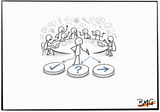
The First Small Tolerance
13 February 2026
Standards rarely collapse in a moment. They slip through the first small tolerance you let pass, then the next one feels easier.

The first small tolerance always feels harmless.
It looks like pragmatism.
It sounds like being reasonable.
You let the deadline slide because the team is stretched.
You ignore the sloppy update because the work is good.
You avoid the conversation because you don't want to pile on.
None of these choices are wrong on their own. The cost shows up later, when the exception becomes the new normal and the standard you never named is the one you're now carrying alone.
The difficult part isn't the big reset, it's the quiet moment where you decide whether to name a small slip. That's where standards are built or traded away.
A leader I worked with told me she felt like the team had changed. The truth was more subtle. The team was still capable, but the small tolerances had added up. The standard had moved, and nobody could point to the moment it happened.
If you want to raise the bar without becoming abrasive, start with the first small tolerance.
Notice it, name it, and explain why it matters.
People respond well to clarity when it comes with respect.
Questions to sit with:
Which small tolerance am I treating as temporary?
What standard do I expect but rarely name?
Where am I carrying the cost of an unspoken exception?
Standards don't need drama.
They need attention, consistency, and the quiet courage to say what's slipping before it becomes the culture.
The path to extraordinary is walked with a thousand small steps, you’re doing great!

Barry Marshall-Graham
Executive coach and leadership advisor
Get the Difficult Conversations Guide
A practical resource for leaders who want to say the thing that needs saying, without burning bridges or avoiding the moment.
Keep reading
31 August 2026
The Sentence They Nearly Said
A pause or changed expression may lead to the useful part of a conversation, but noticing it doesn't give the coach permission to decode it.
24 August 2026
You Cannot Coach Someone You Are Secretly Judging
Second-hand information may be useful, but once it becomes a character verdict it changes the leader’s listening, questions and tone.
17 August 2026
A Good Question Can Be Badly Timed
The wording may be excellent, but a coaching question can still arrive before the relationship or the moment is ready to carry it.
10 August 2026
Whose Goal Is It Anyway?
A goal can be strategically sensible and still feel unowned. The answer is honest internalisation, not coaching somebody into believing it was their idea.
3 August 2026
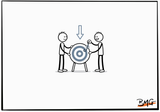
The Leader Who Uses Coaching to Avoid Leading
Coaching can create room for another person to think, but it can also help a leader postpone the feedback, standard or decision that belongs to them.
27 July 2026
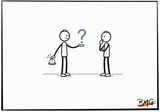
Advice Wearing a Hat
A coaching question can sound wonderfully curious while quietly steering somebody towards the answer their leader already prefers.
20 July 2026
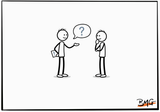
The Emotional Cost of Being the Reliable One
Reliability earns trust, but it can also turn one capable leader into the place where unfinished work, uncertainty, and organisational risk accumulate.
13 July 2026
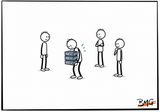
The Relief of Finally Saying the Thing
An overdue conversation occupies far more space than the words themselves. Relief begins when reality is finally allowed back into the room.
6 July 2026
The Sideways Shove
Peer conflict cannot be solved with the Manager Card. Influence begins when leaders stop pushing across borders and repair the working relationship.
29 June 2026
Clarity Under Pressure
Authority is tested when the room tightens. Clear leaders make reality, uncertainty, and the next decision visible without adding drama.