Real Progress Begins When You Stop Needing to Fix Everything
24 October 2025
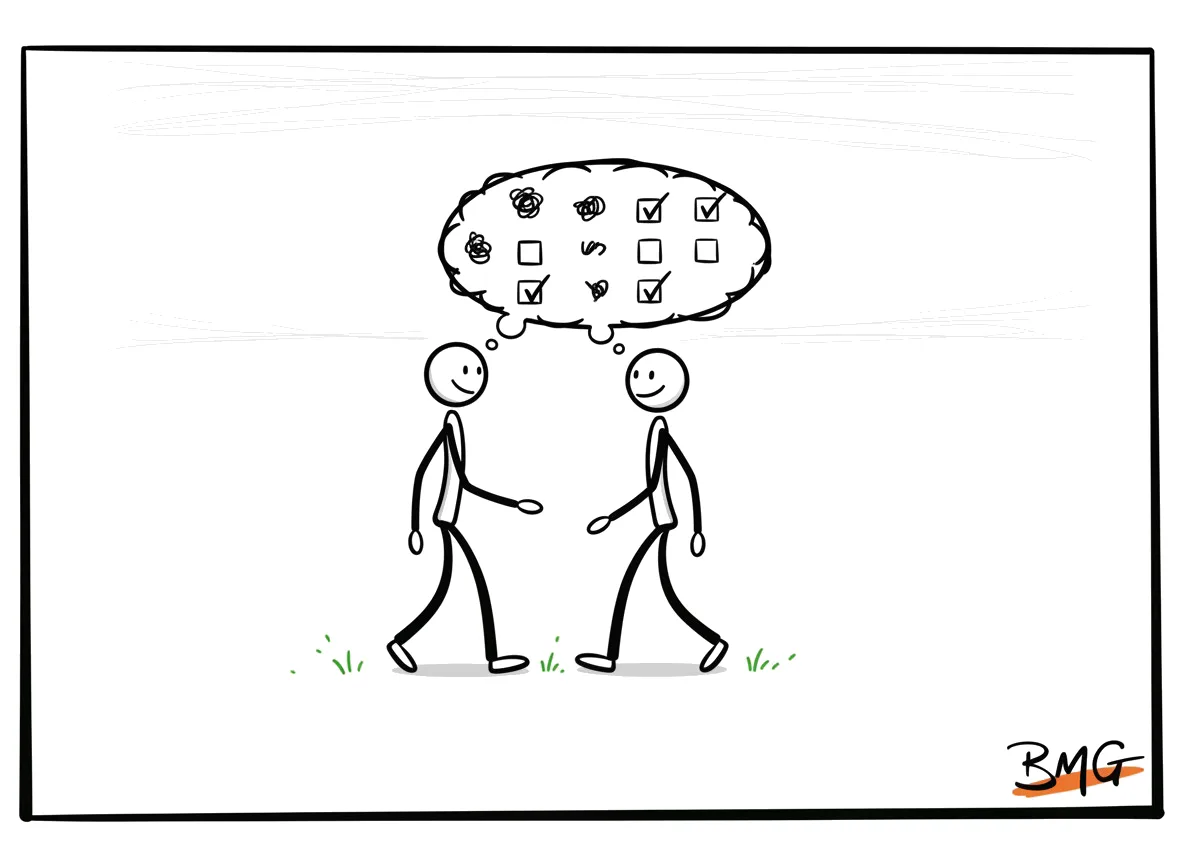
If you coach or lead others, it’s easy to believe your value comes from having the answers.
You see someone stuck or hurting, and the instinct kicks in:
“How can I fix this?”
“What advice can I offer?”
“What’s the best next step?”
This is where we need to stop and take a pause. Great coaching isn’t about steering someone to your solution.
Great coaches hold space for them to find their truth.
We agree on the destination.
They choose the path.
We simply walk it with them, agree on some commitments, and check in regularly to hold them accountable.
When you stop trying to fix everything, something powerful happens:
You start listening deeper.
You begin to trust their expertise.
You make room for something more honest to emerge.
Sometimes the healing or progress begins because of what you didn’t rush into, rather than “jumping right to advice giving”.
Try these in your next conversation:
“What feels true for you right now?”
“If you already knew the answer, what might it be?”
“How can I best serve you right now? Do you need support or space?”
You don’t need to fix it.
You just need to stay present.
Remember, the path to extraordinary is walked with a thousand small steps, and you’re doing great!

Barry Marshall-Graham
Executive coach and leadership advisor
Get the Difficult Conversations Guide
A practical resource for leaders who want to say the thing that needs saying, without burning bridges or avoiding the moment.
Keep reading
30 January 2026
Conviction Without Force
How to hold a clear position without pushing, and why steady conviction builds more trust than intensity ever will over time.
26 January 2026
When Calm Carries Authority
Why credibility grows when you stop performing certainty and start leading with calm, consistency, and clear boundaries.
22 January 2026
The Meeting After the Meeting
Why real alignment only happens when truth can survive the room.
19 January 2026
The Quiet Tax of Avoidance
Why avoidance creates decision debt and quietly erodes standards.
16 January 2026
When Being Believed Too Quickly Becomes Dangerous
12 January 2026
The Subtle Art of Doing Nothing
Why doing nothing is rarely neutral, and often the riskiest choice of all
9 January 2026
The Cassandra Effect - When Being Right Isn’t Enough

5 January 2026
A New Year, Not a New You
Why big goals only work when they fit into real life
22 December 2025
Thank You!
A Small Pause Before Christmas

19 December 2025
If You Give the Answers, You’ll Create a Queue
