The Cassandra Effect - When Being Right Isn’t Enough
9 January 2026
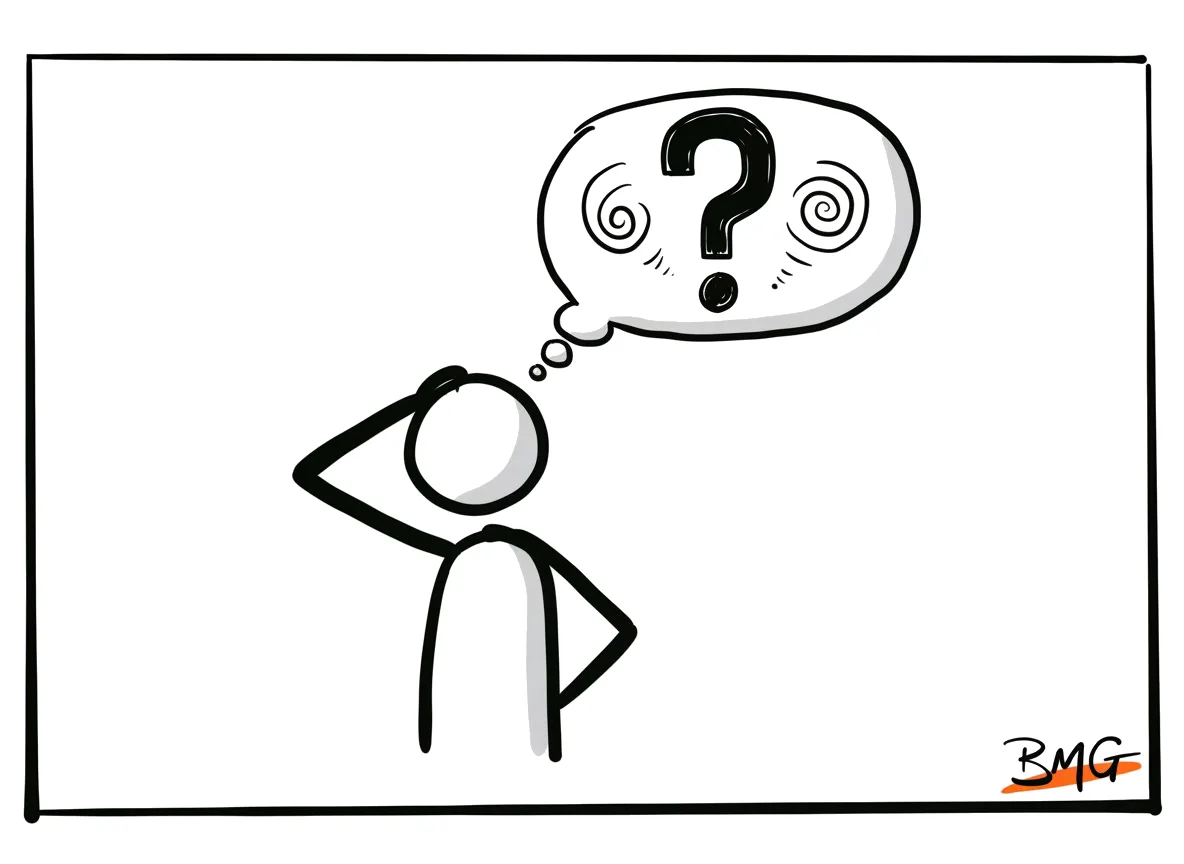
In Greek mythology, Cassandra was cursed to see the future clearly, but never be believed.
She spoke the truth, warned others, and she was ignored.
I first heard this idea discussed on the Modern Wisdom podcast, in conversation with Chris Williamson and Andrew Huberman, and it stopped me in my tracks.
The pattern still shows up everywhere today.
In coaching, the Cassandra Effect appears when someone can clearly see what’s coming (a failing strategy, a misaligned role, a cultural issue) but feels unheard, dismissed, or quietly sidelined.
The cost isn’t just frustration.
It’s erosion of self-trust.
People start asking:
“Am I overreacting?”
“Maybe I’m the problem.”
“What’s the point of speaking up?”
This is where coaching matters.
Rather than focusing on whether others believe them (or not), the work shifts to:
Reconnecting with their own clarity
Separating truth from needing validation
Exploring how insight is shared,and when it’s wise to stop pushing
Powerful coaching questions here include:
“What do you know to be true, even if others can’t see it yet?”
“What’s in your control, and what isn’t?”
“How do you stay grounded without needing agreement?”
Not every truth is immediately welcomed. If this were a longer piece I would give several examples such as the ‘O’ rings that led to the Space Shuttle disaster.
However for now, just know that clarity, held calmly and without resentment, has its own authority.
Your aim isn’t to convince everyone.
It’s to stay aligned with what you see, without losing yourself in the process.
Sometimes the most courageous leadership move is this:
Speak the truth … and remain steady when it isn’t received.
Remember, the path to extraordinary is walked with a thousand small steps, you’re doing great!

Barry Marshall-Graham
Executive coach and leadership advisor
Get the Difficult Conversations Guide
A practical resource for leaders who want to say the thing that needs saying, without burning bridges or avoiding the moment.
Keep reading
30 January 2026
Conviction Without Force
How to hold a clear position without pushing, and why steady conviction builds more trust than intensity ever will over time.
26 January 2026
When Calm Carries Authority
Why credibility grows when you stop performing certainty and start leading with calm, consistency, and clear boundaries.
22 January 2026
The Meeting After the Meeting
Why real alignment only happens when truth can survive the room.
19 January 2026
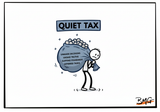
The Quiet Tax of Avoidance
Why avoidance creates decision debt and quietly erodes standards.
16 January 2026
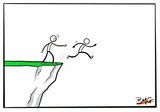
When Being Believed Too Quickly Becomes Dangerous
12 January 2026
The Subtle Art of Doing Nothing
Why doing nothing is rarely neutral, and often the riskiest choice of all
5 January 2026
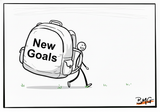
A New Year, Not a New You
Why big goals only work when they fit into real life
22 December 2025
Thank You!
A Small Pause Before Christmas

19 December 2025
If You Give the Answers, You’ll Create a Queue

15 December 2025
The GROW Model.
Simple, Familiar … Rarely Used Well
