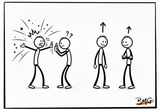
When Everyone Owns It
27 February 2026
Shared ownership sounds healthy, but when everyone owns a decision, nobody owns the decision. Clarity needs a single accountable owner.

Shared ownership sounds healthy.
It often hides the decision.
When everyone owns it, nobody owns it.
The discussion feels inclusive, but the call never quite lands.
Meetings stretch.
Actions blur.
The decision sits in the middle of the room with no clear owner.
I see this when teams are trying to be collaborative. They ask for input from everywhere, but never name who will decide.
The result isn't more alignment. It's more waiting.
I watched a product team do this with a pricing change. Everyone had a view, the meeting ran long, and the decision moved to the next week. When a single owner was named, input became sharper and the decision landed in one session.
The tone shifted from debate to delivery.
Clarity comes from one accountable owner and a clean process for input.
People can contribute without carrying the consequence.
The decision can land without damaging relationships.
Questions to sit with:
Which decision is drifting because ownership is unclear?
Where have I confused collaboration with consensus?
What decision needs a single owner this week?
If you want faster decisions and calmer teams, start by naming the owner.
The path to extraordinary is walked with a thousand small steps, you’re doing great!

Barry Marshall-Graham
Executive coach and leadership advisor
Get the Difficult Conversations Guide
A practical resource for leaders who want to say the thing that needs saying, without burning bridges or avoiding the moment.
Keep reading
6 March 2026
The Weight in Your Voice
Your words carry more weight than you realise. Calm authority is often a matter of pace, tone, and the courage to name what matters.

2 March 2026
The Quiet Drift You Inherit
Inherited teams rarely collapse in a moment. They drift. Resetting standards isn't about being harsh, it's about clarity, dignity, and trust.
23 February 2026
The Private Ledger of Leadership
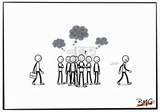
Senior leaders carry a private ledger of risks, promises, and people. Naming that inner load isn't weakness, it's how you lead without breaking.

20 February 2026
The Avoided Conversation Is a Decision
The conversation you're avoiding isn't neutral. It's a decision to let the current pattern continue, and that decision shapes the culture.

16 February 2026
Calm Authority in Tense Rooms
Authority isn't volume or force. It's the ability to hold a tense room steady, name what matters, and set a clear boundary without heat.

13 February 2026
The First Small Tolerance
Standards rarely collapse in a moment. They slip through the first small tolerance you let pass, then the next one feels easier.
9 February 2026
The Decision Vacuum
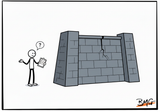
When decision rights are unclear, every meeting becomes a referendum. Clarity is less about answers and more about who owns the call.

6 February 2026
The Standard You Walk Past
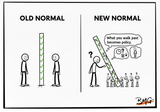
How small exceptions become the quiet rule, and why leaders must name the slip before it sets the team's real expectations.
2 February 2026
The Private Load of Public Roles
Senior roles can feel heavier as private responsibility accumulates, decisions multiply, and there are fewer safe places to speak plainly.
30 January 2026
Conviction Without Force
How to hold a clear position without pushing, and why steady conviction builds more trust than intensity ever will over time.