Coaching vs Manager Mode
28 March 2025
How Great Leaders Know When to Coach and When to Take the Wheel
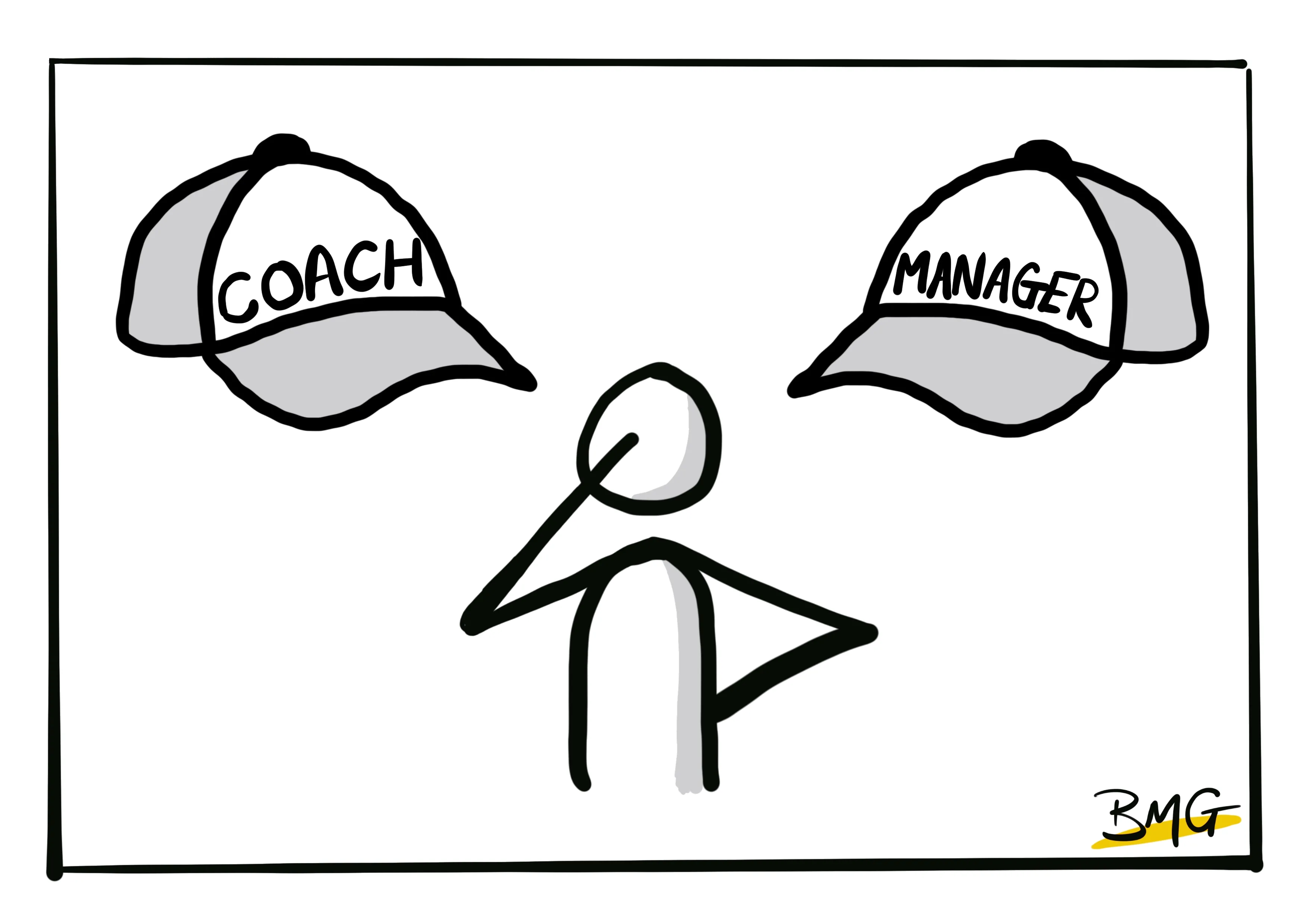
In leadership, we often celebrate the mentor and coach, that empathetic guide who unlocks potential and empowers others to find their own solutions. And rightly so. The coaching stance is transformational … it builds capability, confidence, and deeper trust across teams.
But here’s the truth that’s often whispered but rarely broadcasted: sometimes, we need to get off the balcony and onto the dance floor.
This is what I call manager mode - a leadership gear that prioritises direction, structure, and execution. While it’s sometimes seen as less elegant or evolved than coaching, it’s absolutely vital in high-stakes, fast-moving, or ambiguous situations.
The true art of leadership isn’t choosing one over the other. It’s knowing when to shift between coach mode and manager mode … and doing so with intention, clarity, and grace.
Understanding the Modes
Let me define the two modes more clearly:
Coach Mode
This is where we ask more than we tell. We hold space for others to explore, reflect, and learn. We enable autonomy and growth.
The energy is exploratory. The focus is on the person. The outcome is development.
You’ll typically operate here when:
Developing future leaders
Navigating long-term goals or career planning
Supporting team members in discovering their own solutions
Creating psychological safety and ownership
Manager Mode
Here, we step into clarity, direction, and delivery. We prioritise what needs to happen, who will do it, and by when.
The energy is focused. The lens is on the task. The outcome is progress.
You’ll move into this mode when:
Time is tight and action is needed immediately
The team is in crisis or misaligned
Accountability is unclear or slipping
A decision must be made at pace
Neither mode is superior, but my obvious preference is in coaching. Each plays a vital role in building both momentum and capability. But trouble arises when we’re stuck in one and blind to the other.
The Dangers of Overusing Either Mode
Too much coaching, and you risk becoming overly passive, offering insight when what’s needed is instruction. Teams may feel supported but lack direction. Important decisions can drift, and execution may suffer.
Too much managing, and you risk disempowering your team, making them dependent on your direction, stifling ownership, and killing creativity. The culture becomes compliant rather than committed.
Balance is everything.
How to Choose the Right Mode in the Moment
Here’s a simple reflection framework I’ve found useful when deciding whether to coach or manage:
1. What’s the context?
Is this a moment that demands clarity and delivery … or one that allows for exploration and learning?
2. What’s the capability level of the person or team?
Are they new to the situation or seasoned and capable of self-direction?
3. What’s the consequence of getting it wrong?
In high-risk scenarios, direction often trumps development (at least in the short term).
4. What does the team need from you right now?
Leadership is service. What does this moment require of you, not just what do you prefer to offer?
You can also ask your team directly:
“Would you prefer some space to think this through, or would it help if I offered a more direct steer?”
This models leadership awareness and strengthens psychological safety.
Knowing When to Step In
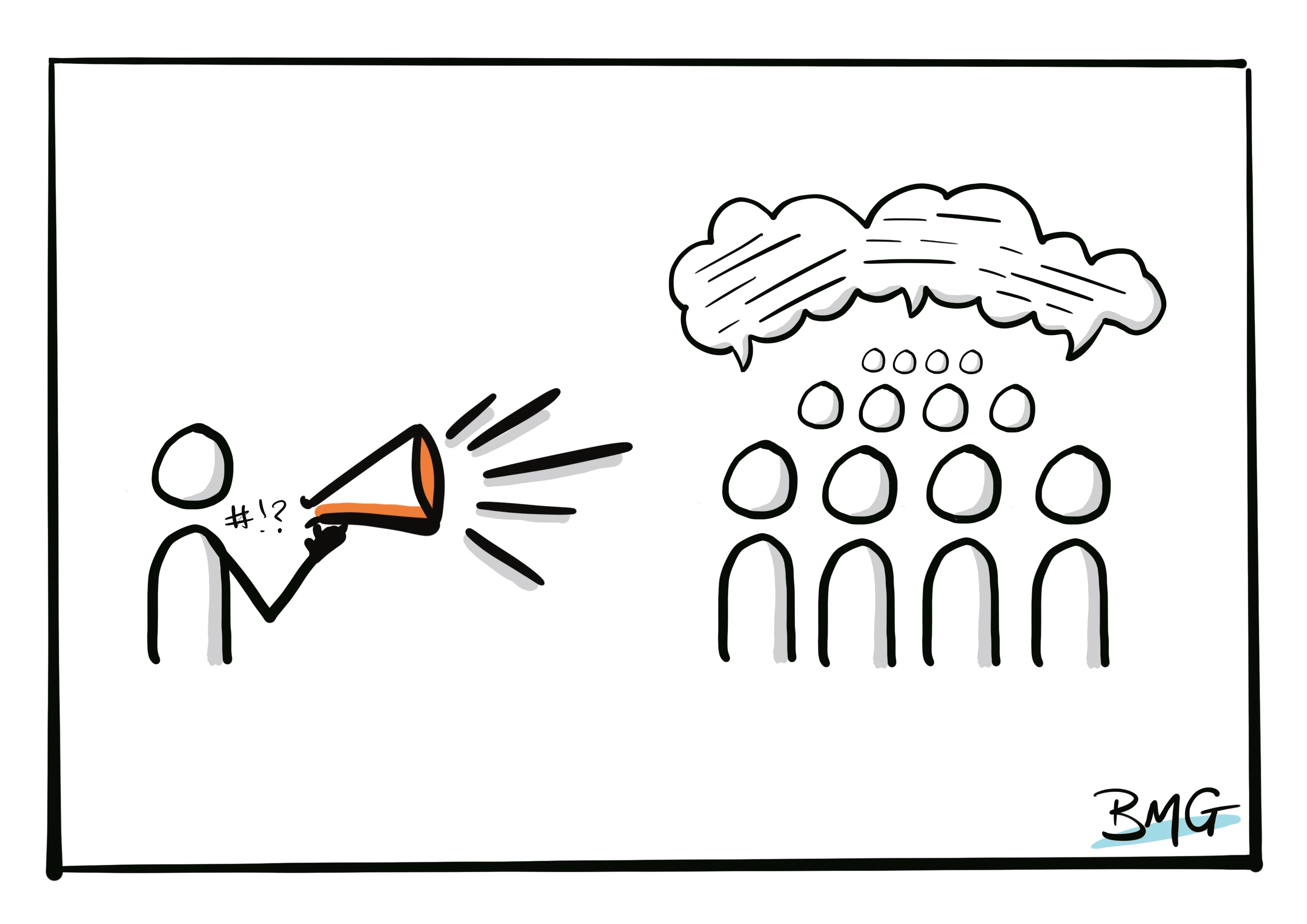
There have been moments in my own leadership journey where I’ve resisted entering manager mode, perhaps out of a desire to always be the supportive, empowering leader. But I’ve learned that sometimes, the most respectful and responsible thing I can do is take the reins briefly and to reset the direction or destination, clarify standards, or restore lost momentum.
What matters is that I don’t stay there. I lead from the front when I must but then return to the sideline, coaching and enabling others to run, or lead the next leg themselves.
That’s the dance of leadership: knowing when to step forward, and when to step back or to reflect on my previous analogy …. When to be on the dance floor, and when to observe and direct from the balcony.
A quick pause
If this is helpful, the free guide goes deeper, and the newsletter brings ideas like this twice a week.
Reflection Prompts
1. Which mode do you naturally default to … coach or manager … and why?
Explore the habits or beliefs that shape your leadership posture. Are they still serving you?
2. Can you recall a recent situation where you stayed in coach mode too long, or entered manager mode too quickly?
What were the consequences? What might you do differently next time?
3. Where in your team or organisation is there a gap between clarity and capability?
Does the moment call for direction, development, or a blend of both?
4. What signals do you observe in others that tell you they need coaching rather than direct management?
Are you attuned to those signals, or are you leading from assumption?
5. Do you ever avoid manager mode because it feels uncomfortable to assert control or make tough calls?
What would it look like to lead with compassion and clarity in those moments?
6. How do you transition between coaching and managing in a way that maintains trust and psychological safety?
Are your team aware of why you shift modes, or does it feel inconsistent or reactive?
7. What can you do to help your team build the capability to need less direction and embrace more ownership?
How can I coach in a way that makes future managing less necessary?
Final Thought
Great leadership doesn’t live in one mode. It flows between many, guided by context, need, and awareness. The key is to lead consciously … to notice when you’re defaulting into one posture, and to ask whether it still serves in this moment.
So next time you feel that tension - should I step in or hold space? Pause and consider:
“What mode does this moment need from me?”
The clarity and honesty in that question can make all the difference.
Remember, the path to extraordinary is walked with a thousand small steps, you’re doing great!
Your Small Steps
Is one mode better than the other … should I aim to coach more than I manage?
Not necessarily. The strength of your leadership lies in your adaptability, not your preference. Coaching supports growth and empowerment, while managing provides clarity and momentum. The best leaders use both, intentionally and appropriately. Context is key, and your mode will always depend on the circumstance you find yourself in. For example, a new role may require a long stint as manager until relationships are built and trust is earned - at which point, a switch to coach may be very well received.
How do I avoid appearing inconsistent when switching between coaching and managing?
Clarity is key. Let your team know why you’re shifting posture. Saying something like, “I’m going to step into manager mode here because we need to move quickly,” helps maintain trust and transparency. I personally use the term “I’m putting my manager hat on here” … I use this because I tell my teams how heavy a burden it is for me to wear the hat. My aim is to take the hat off as quickly as possible and return to coach mode (figuratively speaking, of course).
What if my team expects me to always have the answers?
This is a common challenge. Begin by signalling your intention to support their growth rather than provide every solution. Over time, as they experience the benefits of coach mode, trust in the process will build. You’re not stepping back - you’re stepping along with them.
How do I coach someone who’s not yet capable or confident in their role?
Coaching doesn’t mean withholding support. With lower-capability individuals, combine coaching with clear scaffolding. Offer guidance, but encourage them to think aloud, reflect, and build confidence. Over time, gradually release control as capability grows.
What if I’m under pressure and don’t have time to coach?
In high-pressure moments, managing is often the right mode. But make a habit of circling back. Once the urgency has passed, reflect with your team: What did we learn? What could we do differently next time? This turns even directive moments into coaching opportunities.
How do I know when to switch modes?
Pay attention to context, capability, and consequences. Ask yourself: Does this person need clarity or space? Is this about delivery or development? The more you practise that internal check-in, the more natural the shift becomes.
Can I blend both modes in a single conversation?
Absolutely. Many powerful leadership moments happen in the blend - starting with direction to set the path, then inviting reflection to build ownership. Just be clear about which hat you’re wearing at each stage, so your intent remains transparent.

Barry Marshall-Graham
Executive coach and leadership advisor
Get the Difficult Conversations Guide
A practical resource for leaders who want to say the thing that needs saying, without burning bridges or avoiding the moment.
Keep reading
13 March 2026
The Weight of Unshared Doubt
Why senior leadership feels lonelier as you rise, and why confidence is often just unshared doubt.
9 March 2026
Why Your Best Advice is the Problem
Why the rush to fix others is actually a specific insecurity, and how to stop.
6 March 2026
The Weight in Your Voice
Your words carry more weight than you realise. Calm authority is often a matter of pace, tone, and the courage to name what matters.

2 March 2026
The Quiet Drift You Inherit
Inherited teams rarely collapse in a moment. They drift. Resetting standards isn't about being harsh, it's about clarity, dignity, and trust.
27 February 2026
When Everyone Owns It
Shared ownership sounds healthy, but when everyone owns a decision, nobody owns the decision. Clarity needs a single accountable owner.
23 February 2026
The Private Ledger of Leadership
Senior leaders carry a private ledger of risks, promises, and people. Naming that inner load isn't weakness, it's how you lead without breaking.
20 February 2026
The Avoided Conversation Is a Decision
The conversation you're avoiding isn't neutral. It's a decision to let the current pattern continue, and that decision shapes the culture.

16 February 2026
Calm Authority in Tense Rooms
Authority isn't volume or force. It's the ability to hold a tense room steady, name what matters, and set a clear boundary without heat.

13 February 2026
The First Small Tolerance
Standards rarely collapse in a moment. They slip through the first small tolerance you let pass, then the next one feels easier.
9 February 2026
The Decision Vacuum
When decision rights are unclear, every meeting becomes a referendum. Clarity is less about answers and more about who owns the call.
