Design a Life You Don’t Need to Escape From
14 July 2025
How to align your time, energy, and choices with what truly matters to YOU!
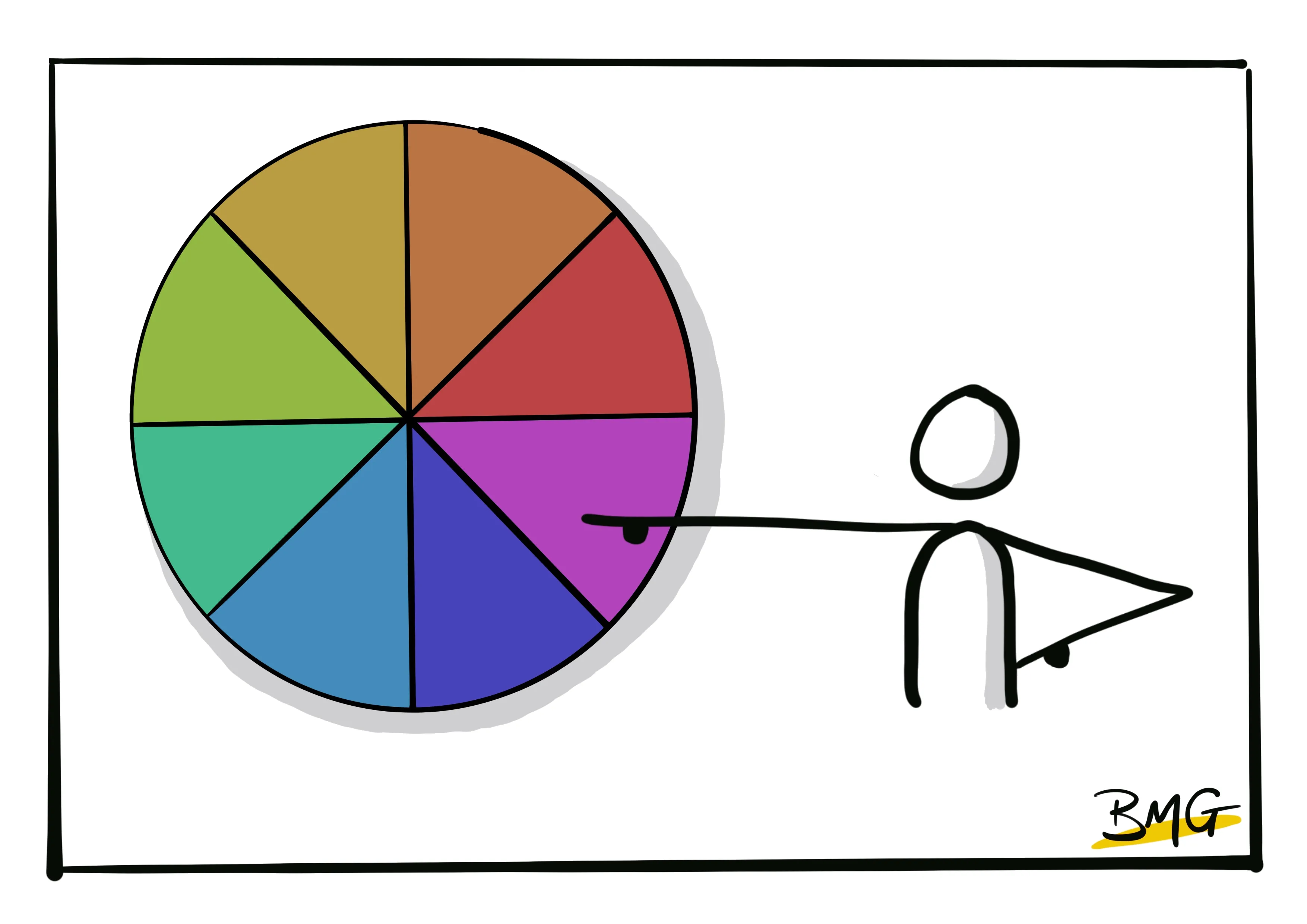
You can’t know where you’re going until you know where you are.
Bill Burnett & Dave Evans (Designing Your Life)
As the summer holiday season and good weather (for those of us in the UK) is upon us, it got me to thinking…
Too many of us live for the weekend. Or the holiday. Or the “someday” when things “finally calm down”.
We pour ourselves into careers, relationships, and commitments, only to find ourselves restless or exhausted. The result? A subtle longing to escape… from the very life we’ve built, and live.
But what if the answer isn’t escape at all?
What if it’s design?
Inspired by the work of Stanford’s Life Design Lab and values-based coaching practices, this article invites you to explore a more intentional way forward that begins with clarity, choice, and conscious design.
You don’t have to abandon everything.
But you may need to redesign what a good life looks like, for you.
From Default to Design
Most people live by default: routines inherited, roles assumed, values unexamined.
However, I have learned that high performers and fulfilled leaders, operate differently … they design their lives on purpose.
That doesn’t mean creating a life based on perfection or control, more one of awareness and alignment.
The question to ask yourself isn’t “Am I busy?”, it should be “Am I busy with the right things?” - the things that will fulfil and bring true joy.
Designing a life you don’t need to escape from begins with asking:
What brings me energy?
What drains me?
Where do I feel most myself, and where most misaligned?
These aren’t surface-level reflections.
They’re invitations to clarity.
Tools for Intentional Living
1. The Wheel of Life
This classic coaching tool helps you assess balance and satisfaction across life’s key domains:
Health
Work
Relationships
Finances
Growth
Fun
Environment
Purpose
Draw a circle, divide it into 8 slices, and score each area from 1 to 10.
You’ll quickly see where things feel off-kilter, and where energy needs redirecting.
Top tip - It’s not about equal scores.
2. Values Discovery
You can’t design a meaningful life without knowing what truly matters in the life you are seeking.
Start with this question:
“What are the 3–5 values I want to be remembered for?”
Then ask:
Am I living in alignment with them?
Where am I compromising, and why?
What small step could bring me closer?
When your day/week reflects your values, life feels more honest.
When it doesn’t, even achievement feels hollow.
A quick pause
If this is helpful, the free guide goes deeper, and the newsletter brings ideas like this twice a week.
3. The Ideal Week
This visual exercise invites you to sketch your week as it could be by design:
What does a meaningful Monday look like?
Where do recovery and creativity live in your schedule?
How does your current calendar compare?
The Ideal Week creates a reference point.
Not a rulebook - a compass. A guide if you like.
4. Life Design Prototyping (Stanford Model)
The Stanford Life Design Lab promotes the idea of “prototyping your future.”
Rather than overthinking the perfect life path, you:
Test small experiments.
Explore multiple futures.
See what works, without burning any bridges.
Want to write more? Try a blog for 30 days.
Want to change careers? Ask questions of 5 people already in that field.
You don’t leap into a new life, you iterate into one - one small step at a time.
Reflection Prompts
Which areas of life (using the Wheel of Life) feel a little light right now?
What personal value are you currently honouring most? Which the least?
What parts of your current schedule feel most draining? Most energising?
If you could redesign just one hour of your day, what would change?
What “escape behaviours” (doom scrolling, fantasising, overworking) show up most, and what might they be signalling?
Final Thought
I used to build my calendar around what was what was brought to me the loudest. Now I build it around what matters most … and what matters most often needs thought and consideration.
Engage your system two brain.
My shift didn’t happen overnight, and I often need to check myself when I start drifting back. It takes uncomfortable honesty, repeated reflection, and the courage to redraw the lines.
But little by little, directed by purpose, the rhythm of my days changed.
The difference is profound: I no longer feel the need to escape the life I’m living. I feel anchored by it.
That’s the gift of life design.
Not perfection, participation.
Not control, clarity.
This work is not reserved for the privileged few, it’s available to anyone willing to pause, reflect, and reimagine.
So don’t wait for burnout to force a change. Don’t wait for a holiday to feel like yourself again.
Start now.
Choose one thing.
Redesign one hour.
Reclaim one value.
The life you truly want won’t arrive by accident.
You have to design it … deliberately, courageously, and on your own terms.
Remember, the path to extraordinary is walked with a thousand small steps, you’re doing great!
Small Steps, Giant Leaps is a reader-supported publication. To receive new posts and support my work, consider becoming a free or paid subscriber.
Your Small Steps
Isn’t this just wishful thinking?
Not at all. Life design is about practical adjustments, not perfect outcomes.
Action: Start with a small experiment - a 10% shift in one life domain.
What if I don’t have full control over my time or work?
Design what you can. Even micro-shifts create momentum.
Action: Identify one 30-minute window per week to dedicate to something value-aligned.
What if my values conflict with the demands of my role?
This is where honest conversation and boundary-setting become crucial.
Action: Reflect on what boundaries protect your values, then practise articulating them.
How do I know when I’m living by default?
You often feel disconnected, reactive, or stuck in autopilot.
Action: Use journaling or a coach to audit your week. Where are you choosing, and where are you complying?
What’s one sign I’m on the right track?
A rising sense of alignment, even if life is still complex.
Action: Note one moment this week where you felt calm, clear, and you.
Can this approach work for teams too?
Absolutely. Teams benefit when individuals are grounded in values and designing their time with purpose.
Action: Host a 1:1 or team session using the Wheel of Life or Ideal Week framework.

Barry Marshall-Graham
Executive coach and leadership advisor
Get the Difficult Conversations Guide
A practical resource for leaders who want to say the thing that needs saying, without burning bridges or avoiding the moment.
Keep reading
13 March 2026
The Weight of Unshared Doubt
Why senior leadership feels lonelier as you rise, and why confidence is often just unshared doubt.
9 March 2026
Why Your Best Advice is the Problem
Why the rush to fix others is actually a specific insecurity, and how to stop.
6 March 2026
The Weight in Your Voice
Your words carry more weight than you realise. Calm authority is often a matter of pace, tone, and the courage to name what matters.

2 March 2026
The Quiet Drift You Inherit
Inherited teams rarely collapse in a moment. They drift. Resetting standards isn't about being harsh, it's about clarity, dignity, and trust.
27 February 2026
When Everyone Owns It
Shared ownership sounds healthy, but when everyone owns a decision, nobody owns the decision. Clarity needs a single accountable owner.
23 February 2026
The Private Ledger of Leadership
Senior leaders carry a private ledger of risks, promises, and people. Naming that inner load isn't weakness, it's how you lead without breaking.

20 February 2026
The Avoided Conversation Is a Decision
The conversation you're avoiding isn't neutral. It's a decision to let the current pattern continue, and that decision shapes the culture.

16 February 2026
Calm Authority in Tense Rooms
Authority isn't volume or force. It's the ability to hold a tense room steady, name what matters, and set a clear boundary without heat.

13 February 2026
The First Small Tolerance
Standards rarely collapse in a moment. They slip through the first small tolerance you let pass, then the next one feels easier.
9 February 2026
The Decision Vacuum
When decision rights are unclear, every meeting becomes a referendum. Clarity is less about answers and more about who owns the call.
