Empathetic and Inclusive Leadership
1 September 2024
How to create a work environment where psychological safety, emotional intelligence, and diversity are prioritised above all else.
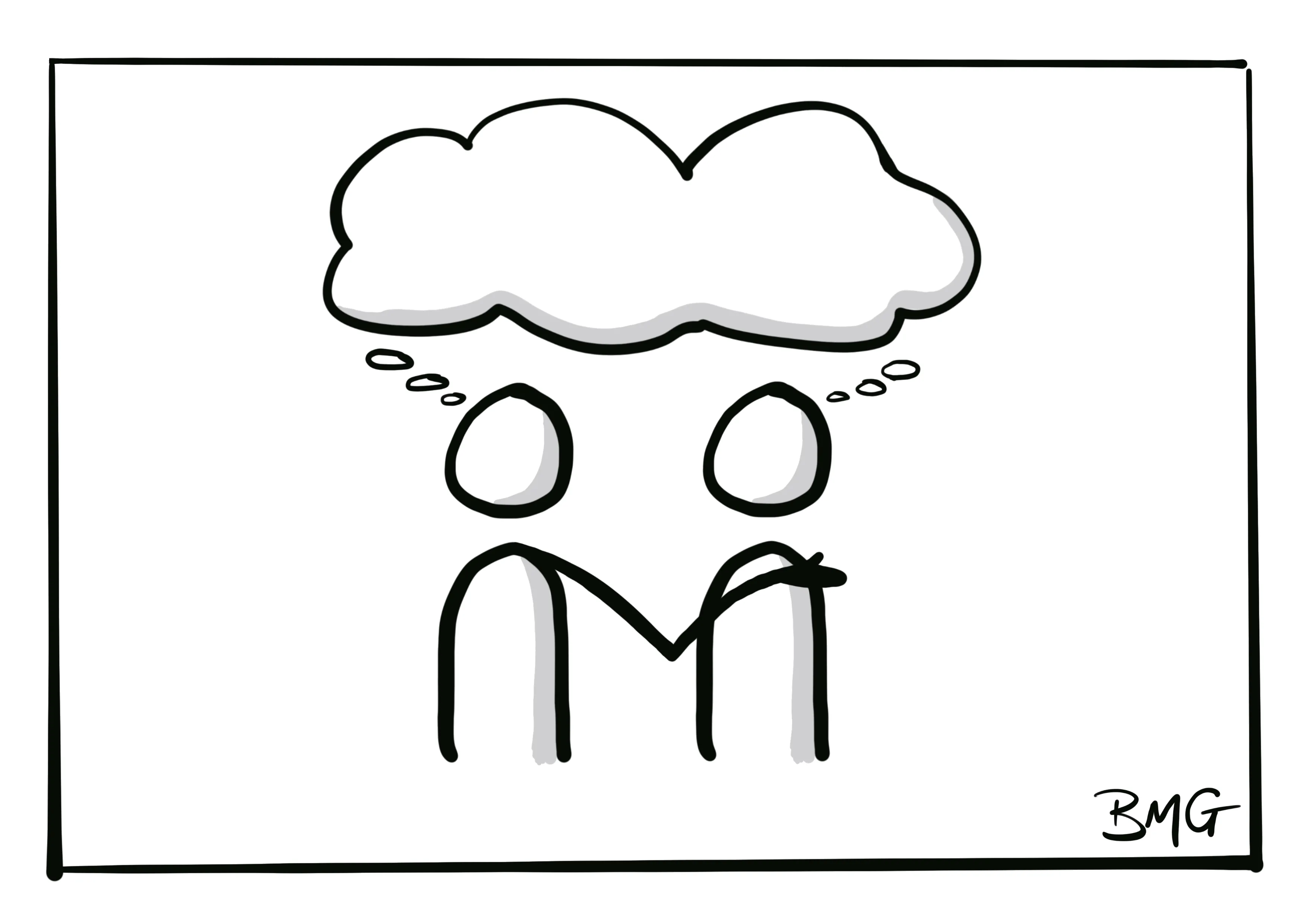
Creating a work environment where psychological safety, emotional intelligence, and diversity are prioritised is crucial for the success of any organisation. These elements create and maintain a culture where employees feel valued, respected, and empowered to contribute their best ideas.
This article will explore various strategies to build such an environment, including understanding psychological safety, enhancing emotional intelligence, and promoting diversity.
Key Takeaways
Psychological safety allows team members to voice their opinions without fear of repercussions, fostering open communication and innovation.
Emotional intelligence in team dynamics helps in managing conflicts, enhancing collaboration, and building stronger relationships.
Inclusive leadership and encouraging diverse perspectives lead to a more innovative and resilient organisational culture.
Regular training and development in emotional intelligence and inclusivity are essential for sustaining a positive work environment.
Leadership plays a critical role in promoting psychological safety by setting examples, creating accountability, and recognising contributions.
Understanding Psychological Safety in the Workplace
Defining Psychological Safety
Psychological safety is the belief that one can speak up, make mistakes, and take risks without fear of punishment or humiliation. It's about feeling safe to be yourself at work.
This environment encourages openness and honesty, which are crucial for team success.
The Importance of Open Communication
Here are some key points:
Encourages sharing of ideas
Reduces misunderstandings
Builds trust among team members
Identifying Barriers to Psychological Safety
Several factors can hinder psychological safety in the workplace.
These include:
Fear of negative consequences
Lack of support from leadership
Poor team dynamics
Overcoming these barriers is essential for creating a safe and productive work environment.
The Role of Emotional Intelligence in Team Dynamics
Components of Emotional Intelligence
Emotional intelligence (EI) is made up of several key components:
Self-awareness: Understanding your own emotions.
Self-regulation: Managing your emotions in a healthy way.
Motivation: Being driven to achieve goals for the right reasons.
Empathy: Understanding the emotions of others.
Social skills: Managing relationships to move people in desired directions.
Enhancing Team Collaboration
Teams with high emotional intelligence tend to collaborate better.
They communicate openly, respect each other's opinions, and work towards common goals.
Some ways to enhance team collaboration through EI include:
Encouraging open communication.
Promoting active listening.
Fostering a supportive environment.
Recognising and celebrating team achievements.
Managing Conflict with Emotional Intelligence
Conflict is inevitable in any team, but it can be managed effectively with emotional intelligence. By understanding and addressing the emotions involved, teams can turn conflicts into opportunities for growth.
Strategies include:
Staying calm and composed.
Listening to all perspectives.
Addressing issues directly, but respectfully.
Seeking win-win solutions.
Emotional intelligence is not just an add-on; it's essential for effective teamwork and leadership. By investing in emotional skills, organisations can create more resilient and innovative cultures.
Creating and Maintaining a Culture of Inclusivity
Strategies for Inclusive Leadership
Inclusive leadership is about creating an environment where everyone feels valued and respected.
Leaders should actively seek out and consider diverse perspectives.
This could be achieved through:
Regularly soliciting feedback from all team members
Encouraging open dialogue and active listening
Providing equal opportunities for professional development
Encouraging Diverse Perspectives
To truly benefit from diversity, it's important to encourage a variety of viewpoints.
This can be achieved by:
Creating diverse teams for projects
Holding brainstorming sessions where all ideas are welcomed
Recognising and rewarding innovative solutions from different perspectives
Celebrating Cultural Differences
Celebrating cultural differences helps build a more inclusive workplace.
Some ways to do this include:
Hosting cultural awareness events
Providing training on cultural competence
By fostering a culture of inclusivity, organisations can create a more dynamic, innovative, and supportive work environment. This not only benefits employees but also drives the organisation towards greater success.
Training and Development for Emotional Intelligence
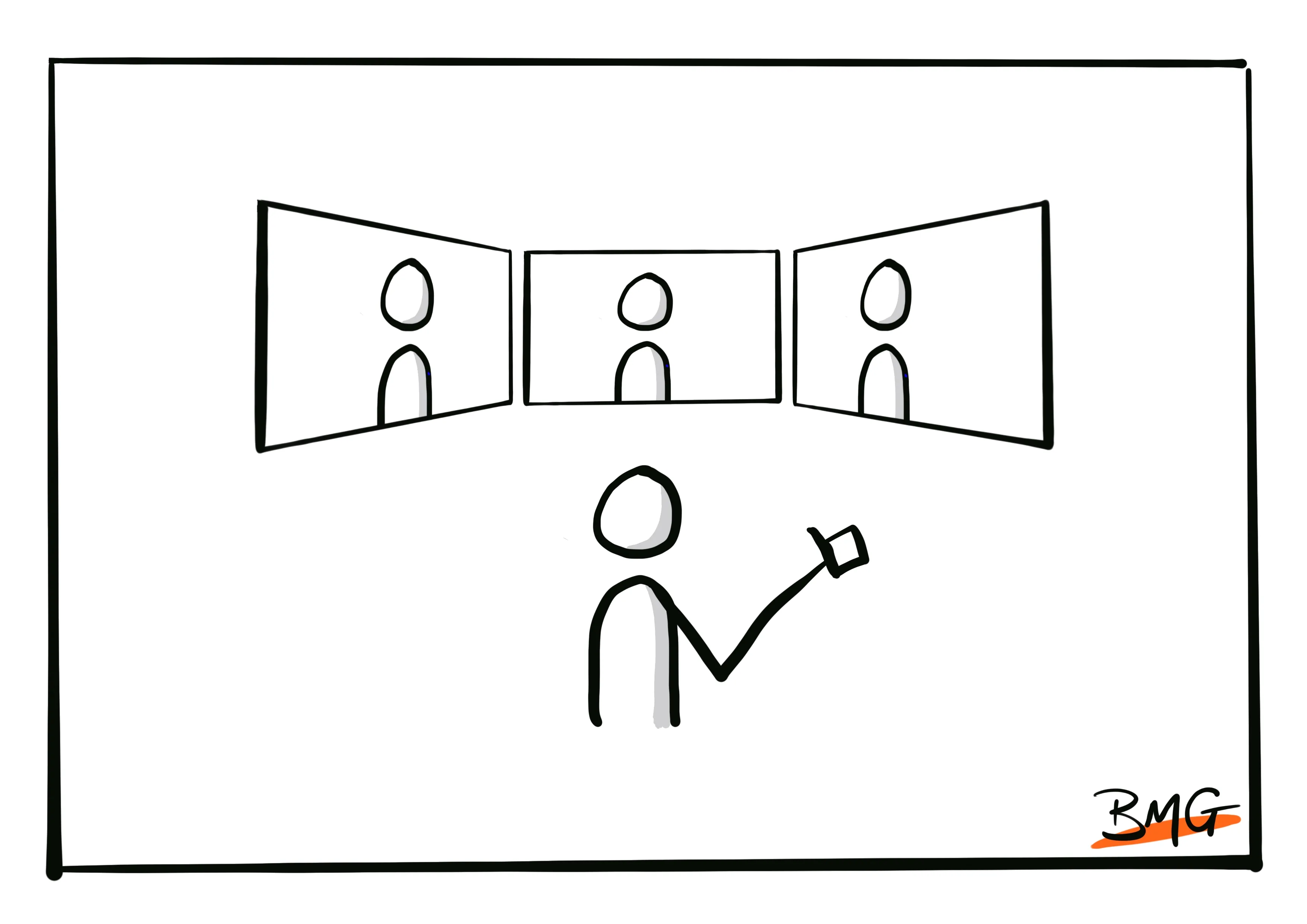
Workshops and Seminars
Workshops and seminars are excellent ways to teach emotional intelligence.
These sessions can cover topics like self-awareness, empathy, and effective communication.
Interactive activities and role-playing can make these workshops more engaging and practical.
Coaching and Mentoring
Coaching and mentoring provide personalised guidance to employees.
A mentor can help an individual understand their emotional strengths and weaknesses. This one-on-one approach ensures that employees receive tailored advice and support.
Continuous Learning Opportunities
Creating a culture of continuous learning is essential for emotional intelligence development.
Offer online courses, reading materials, and regular training sessions.
Investing in emotional intelligence training not only improves individual performance but also enhances team dynamics and overall workplace culture.
Creating Safe Spaces for Vulnerability
Encouraging Honest Feedback
Creating an environment where team members feel comfortable sharing their thoughts is crucial.
Encouraging honest feedback helps in identifying issues early and creates a culture of continuous improvement.
Leaders should actively seek feedback and show they value it by making necessary changes.
Building Trust Among Team Members
Trust is the foundation of any strong team.
Regular team-building activities and open communication channels can help in strengthening these bonds.
A quick pause
If this is helpful, the free guide goes deeper, and the newsletter brings ideas like this twice a week.
Implementing Regular Check-ins
Regular check-ins provide an opportunity for team members to express their concerns and achievements. These sessions should be structured yet flexible, allowing for open dialogue.
Consistent check-ins can help in identifying any issues early and provide support where needed.
By cultivating an environment where vulnerability is seen as a strength, organisations can create a more inclusive and innovative culture. This not only improves team dynamics but also drives overall success.
The Impact of Diversity on Innovation
Diverse Teams and Problem Solving
Case Studies of Successful Diverse Teams
Many companies have seen success by embracing diversity.
For example, Google has created an inclusive environment that values different viewpoints. This approach has led to groundbreaking innovations and a strong sense of belonging among employees.
Encouraging Creative Thinking
To cultivate creativity, it's important to create a culture where everyone feels valued.
Regular brainstorming sessions and open communication can help keep the flow of new ideas constant.
Embracing diversity isn't just about being fair; it's about unlocking the full potential of your team. When everyone feels included, they are more likely to contribute their best ideas.
Measuring Psychological Safety and Emotional Intelligence
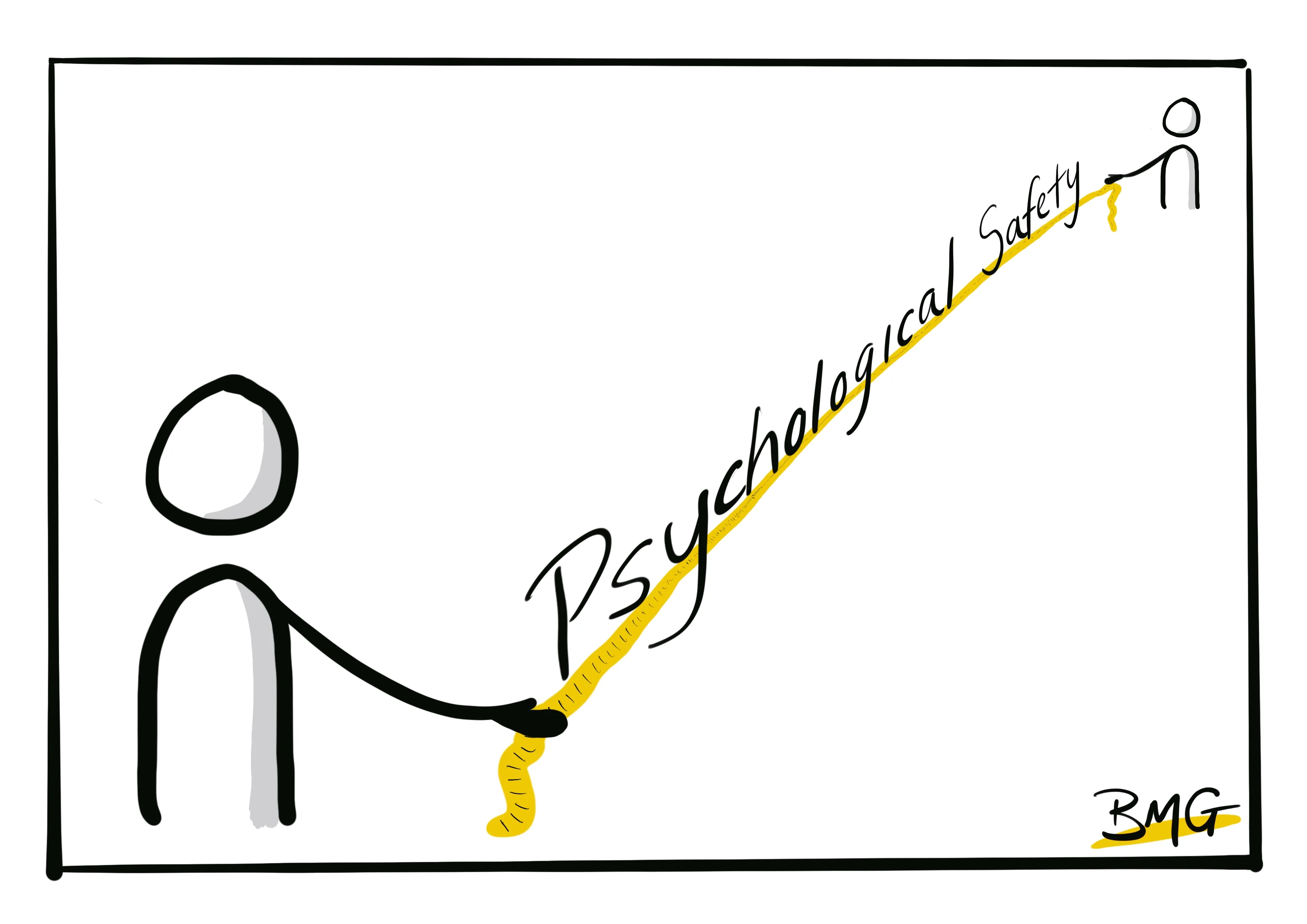
Tools for Assessment
To measure psychological safety and emotional intelligence, organisations can use various tools. These tools help in understanding the current state and areas for improvement.
Some popular tools include:
PSindex™: Measures psychological safety across the organisation.
EQindex™ Assessments: Includes individual and leadership 360º assessments.
The Ladder of Vulnerability: A self-assessment and downloadable guide.
Feedback Mechanisms
Feedback is crucial for measuring psychological safety and emotional intelligence. Implementing regular feedback mechanisms can help in identifying issues early.
Some of the most effective feedback methods are:
One-on-One Meetings: Provide a safe space for open communication.
Team Workshops: Facilitate group discussions and collective feedback.
Setting Benchmarks for Improvement
Setting clear benchmarks is essential for tracking progress. Benchmarks provide a reference point to measure improvements over time.
Consider the following steps:
Define Clear Goals: Establish what success looks like.
Regular Check-ins: Monitor progress and make adjustments as needed.
Celebrate Milestones: Recognise and reward achievements to motivate the team.
Measuring psychological safety and emotional intelligence is not a one-time task but an ongoing process. Regular assessments and feedback help in creating a supportive and inclusive work environment.
Leadership’s Role in Promoting Psychological Safety
Leading by Example
Leaders set the tone for the entire team.
When leaders show vulnerability and admit their own mistakes, it encourages others to do the same.
This openness fosters a culture where team members feel safe to express their thoughts and concerns without fear of judgement.
Creating Accountability
Accountability is crucial for maintaining psychological safety.
Leaders should:
Take responsibility for their actions and decisions.
Encourage team members to own their contributions to the team culture.
Set clear expectations and follow through on commitments.
Recognising and Rewarding Contributions
Acknowledging the efforts and achievements of team members can significantly boost psychological safety.
Leaders should:
Regularly provide positive feedback and recognition.
Celebrate both small and large successes.
Create opportunities for team members to showcase their skills and talents.
A leader's genuine appreciation can make team members feel valued and respected, enhancing their sense of belonging and safety.
Integrating Diversity into Recruitment Practises
Developing Inclusive Job Descriptions
Creating job descriptions that appeal to a wide range of candidates is crucial.
Use gender-neutral language and avoid jargon that might deter non-native speakers.
Highlight the company's commitment to diversity and inclusion.
Bias-Free Interview Techniques
Implement structured interviews to minimise bias and train interviewers to recognise and counteract their own biases.
Use diverse panels to ensure a variety of perspectives.
Building Diverse Talent Pipelines
Actively seek out candidates from underrepresented groups.
Partner with organisations that focus on diversity.
Maintain relationships with diverse professional networks and educational institutions.
A diverse workforce brings a wealth of perspectives and ideas, driving innovation and success. Prioritising diversity in recruitment is not just a moral imperative but a strategic advantage.
The Intersection of Psychological Safety and Performance
Linking Safety to Employee Engagement
Psychological safety is crucial for employee engagement.
This sense of security fosters a more engaged and committed workforce.
Impact on Retention Rates
A workplace that prioritises psychological safety tends to have lower turnover rates.
Employees are more likely to stay when they feel valued and understood. This not only saves costs related to hiring and training new staff but also maintains team cohesion.
Performance Metrics and Psychological Safety
Psychological safety can be linked to various performance metrics. For instance, teams that feel safe are often more innovative and productive.
When employees feel psychologically safe, they are more likely to take risks and think creatively, leading to better overall performance.
Sustaining a Culture of Psychological Safety and Diversity

Long-term Strategies for Maintenance
To keep psychological safety and diversity alive in the workplace, it's crucial to have long-term strategies.
Leaders should also maintain an environment where feedback is encouraged and acted upon, regularly revisiting and updating policies ensures they stay relevant.
Regular Training and Refreshers
Continuous learning is key.
Organise regular training sessions and refreshers on topics like emotional intelligence, diversity, and inclusion.
This helps keep everyone on the same page and reinforces the importance of these values.
Adapting to Changing Workforce Dynamics
The workforce is always changing.
Stay adaptable by keeping an eye on trends and being open to new ideas.
This might mean updating training programmes or changing how teams are structured to better support psychological safety and diversity.
A culture that values psychological safety and diversity is not built overnight. It requires ongoing effort, commitment, and a willingness to adapt to new challenges and opportunities.
Conclusion
Creating a workplace where psychological safety, emotional intelligence, and diversity are prioritised is not just a lofty goal but a necessary step towards building a thriving and innovative organisation.
By creating an environment where employees feel safe to express themselves, take risks, and embrace their full range of emotions, companies can unlock the true potential of their teams. This involves a shift from traditional hierarchical structures to more empathetic and inclusive ways of working.
Leaders must take responsibility for setting the tone and providing the necessary support and resources. When organisations invest in these areas, they not only enhance employee well-being but also drive better performance and success.
Strive to create work environments where everyone feels valued, heard, and empowered to be their authentic selves.
Remember, the path to extraordinary is walked with a thousand small steps, you’re doing great!
Want to learn more? Let's grow together!
Frequently Asked Questions
What is psychological safety in the workplace?
Why is emotional intelligence important in a team?
Emotional intelligence helps team members understand and manage their own emotions and those of others, leading to better teamwork and conflict resolution.
How can leaders promote a culture of inclusivity?
Leaders can promote inclusivity by encouraging diverse perspectives, celebrating cultural differences, and ensuring everyone feels valued and heard.
What are some ways to measure psychological safety in the workplace?
Psychological safety can be measured using surveys, feedback mechanisms, and by setting benchmarks for improvement.
How does diversity impact innovation?
Diverse teams bring different perspectives and ideas, which can lead to more creative solutions and better problem-solving.
What role does leadership play in promoting psychological safety?
Leadership is crucial in promoting psychological safety by leading by example, creating accountability, and recognising and rewarding contributions.
How can organisations integrate diversity into their recruitment practises?
Organisations can develop inclusive job descriptions, use bias-free interview techniques, and build diverse talent pipelines.
What are some long-term strategies for sustaining a culture of psychological safety and diversity?
Long-term strategies include regular training and refreshers, adapting to changing workforce dynamics, and maintaining a strong commitment to inclusivity and safety.

Barry Marshall-Graham
Executive coach and leadership advisor
Get the Difficult Conversations Guide
A practical resource for leaders who want to say the thing that needs saying, without burning bridges or avoiding the moment.
Keep reading
13 March 2026
The Weight of Unshared Doubt
Why senior leadership feels lonelier as you rise, and why confidence is often just unshared doubt.
9 March 2026
Why Your Best Advice is the Problem
Why the rush to fix others is actually a specific insecurity, and how to stop.
6 March 2026
The Weight in Your Voice
Your words carry more weight than you realise. Calm authority is often a matter of pace, tone, and the courage to name what matters.

2 March 2026
The Quiet Drift You Inherit
Inherited teams rarely collapse in a moment. They drift. Resetting standards isn't about being harsh, it's about clarity, dignity, and trust.
27 February 2026
When Everyone Owns It
Shared ownership sounds healthy, but when everyone owns a decision, nobody owns the decision. Clarity needs a single accountable owner.
23 February 2026
The Private Ledger of Leadership
Senior leaders carry a private ledger of risks, promises, and people. Naming that inner load isn't weakness, it's how you lead without breaking.
20 February 2026
The Avoided Conversation Is a Decision
The conversation you're avoiding isn't neutral. It's a decision to let the current pattern continue, and that decision shapes the culture.

16 February 2026
Calm Authority in Tense Rooms
Authority isn't volume or force. It's the ability to hold a tense room steady, name what matters, and set a clear boundary without heat.

13 February 2026
The First Small Tolerance
Standards rarely collapse in a moment. They slip through the first small tolerance you let pass, then the next one feels easier.

9 February 2026
The Decision Vacuum
When decision rights are unclear, every meeting becomes a referendum. Clarity is less about answers and more about who owns the call.
