From Insight to Execution: The Principles of ‘Good to Great’ (Part Two)
9 September 2024
Crafting a Winning Team Strategy
Turning a good team into a great one requires more than just ambition. It calls for a well-thought-out strategy and effective execution.
The following article builds on Part One, and further explores how to build a winning team strategy using the remaining principles from Jim Collins' book 'Good to Great'.
To remind you, we will delve into leadership, talent management, facing hard truths, and more, all aimed at helping you and your team achieve lasting success.
Key Takeaways
Strong leadership is essential for building a solid foundation in any organisation.
Having the right people in the right roles is crucial for long-term success.
Facing harsh realities with a balanced mindset can lead to better decision-making.
Simplicity in strategy, focusing on core strengths, can drive exceptional results.
A disciplined culture can help maintain focus and achieve goals consistently.
Building momentum is key to sustaining long-term success and avoiding pitfalls.
Leveraging technology can accelerate growth and innovation.
Continuous improvement and adaptability are essential for enduring success.
Clock Building, Not Time Telling: Creating Enduring Organisations
Principles of Clock Building

The concept of "clock building, not time telling" emphasises creating a robust structure that endures over time.
Instead of relying on short-term solutions or charismatic leadership, focus on building systems and processes that sustain the organisation through various challenges.
Long-term Vision and Strategy
A long-term vision is crucial for enduring success.
Companies should develop strategies that look beyond immediate gains and consider the future landscape.
This involves setting clear, achievable goals that align with the company's core values and mission.
Building Sustainable Processes
Sustainable processes are the backbone of any enduring organisation.
These processes should be designed to adapt to changes and continue functioning efficiently.
Regular reviews and updates ensure that the processes remain relevant and effective.
Balancing Short-term and Long-term Goals
Balancing short-term and long-term goals is essential for sustained success.
While immediate results are important, they should not overshadow the long-term vision.
Companies must find a balance that allows for short-term achievements without compromising future growth.
Challenges in Creating Enduring Organisations
Creating an enduring organisation is not without its challenges.
It requires a commitment to continuous improvement and the ability to adapt to changing circumstances.
Companies must also overcome the temptation to focus solely on short-term gains at the expense of long-term success.
The Tyranny of the ‘Or’ and the Genius of the ‘And’
The ‘Tyranny of the Or’ pushes people to believe that things must be either A or B, but not both. The ‘Genius of the And’ allows them to embrace both A and B, finding solutions that are both visionary and practical, conservative and bold, disciplined and creative.
In the realm of business strategy, the concept of the 'Tyranny of the 'Or' and the 'Genius of the 'And'' is a powerful tool.
This principle encourages organisations to reject the notion that they must choose between two seemingly opposing options.
Instead, they should strive to embrace both, finding a way to integrate them harmoniously.
Understanding the Tyranny of the ‘Or’
The 'Tyranny of the 'Or'' suggests that companies often feel compelled to make a choice between two mutually exclusive paths.
For example, a business might believe it must choose between focusing on profit or purpose, but not both.
This mindset can limit potential and stifle innovation.
Embracing the Genius of the ‘And’
On the other hand, the 'Genius of the 'And'' promotes the idea that businesses can achieve multiple objectives simultaneously.
By embracing this approach, companies can be both purpose-driven and profit-oriented, disciplined yet creative, and innovative while managing risks effectively.
Balancing Opposing Forces
Successfully balancing these opposing forces requires a shift in mindset.
Leaders must cultivate a culture that values flexibility and encourages creative problem-solving.
This balance allows organisations to maximise their resources and achieve more.
Strategies for Overcoming Paradoxes
To overcome the paradoxes presented by the 'Tyranny of the 'Or',' businesses can adopt several strategies:
Encourage Open Dialogue: Promote an environment where team members feel comfortable discussing and exploring multiple perspectives.
Promote Cross-Functional Teams: Create teams with diverse skill sets to approach problems from various angles.
Invest in Continuous Learning: Encourage ongoing education and training to help employees develop new skills and adapt to changing circumstances.
Challenges in Balancing Opposites
While the 'Genius of the 'And'' offers numerous benefits, it also presents challenges.
Balancing opposing forces can be difficult, and there may be resistance to change within the organisation.
Leaders must be prepared to address these challenges head-on, creating a culture of resilience and adaptability.
Preserve the Core and Stimulate Progress
Defining Core Values
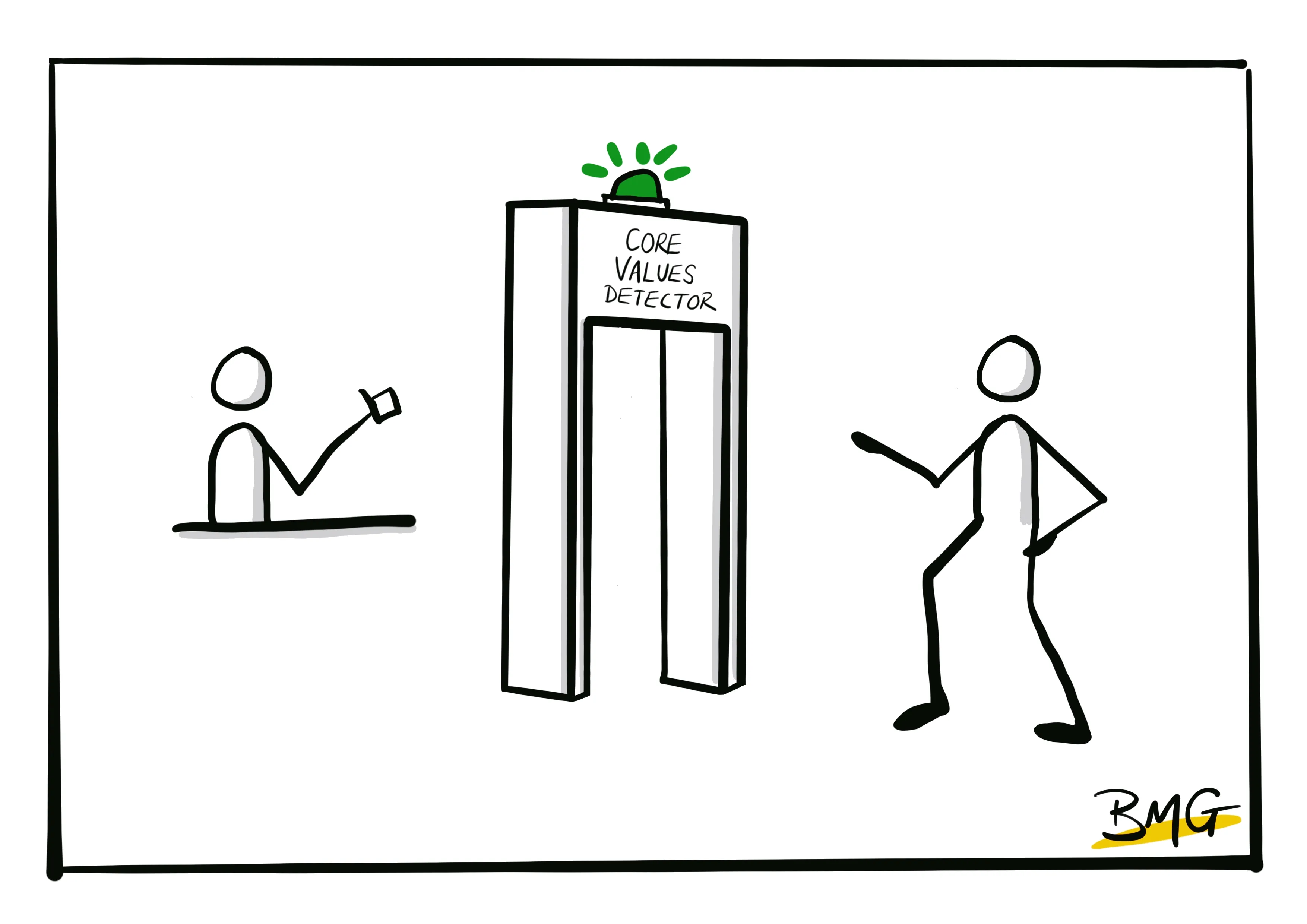
Core values are the fundamental beliefs that guide a company's actions and decisions.
They are the principles that remain constant even as the business evolves.
Identifying and preserving these values is crucial for maintaining a strong organisational identity.
Strategies for Preserving Core Values
Clearly articulate core values to all employees.
Integrate core values into the hiring process.
Regularly communicate and reinforce these values through training and internal communications.
Recognise and reward behaviours that align with core values.
Stimulating Innovation and Progress
While preserving core values is essential, companies must also stimulate progress to stay competitive.
This involves encouraging innovation and continuous improvement.
Balancing these two aspects can lead to sustained success.
Role of Leadership in Balancing Core Values and Progress
Preserve the core and stimulate progress. Enduring great companies understand the difference between what should never change (core values) and what should be open for change (strategies and practices). Leadership’s role is to manage this balance effectively
Leadership plays a pivotal role in balancing core values and progress.
Leaders must embody the core values and inspire their teams to innovate.
They should also create an environment where employees feel safe to experiment and take risks.
Challenges in Maintaining Core Values
Maintaining core values while stimulating progress can be challenging.
Companies may face resistance to change or struggle to align new initiatives with their core values.
However, with strong leadership and a clear vision, these challenges can be overcome.
Big Hairy Audacious Goals (BHAGs): Driving Ambition
Understanding BHAGs
A Big Hairy Audacious Goal (BHAG) is a clear, compelling, and ambitious target that an organisation sets for itself and its employees.

BHAGs are designed to inspire and drive long-term progress. They are not just any goals; they are bold and audacious, pushing the boundaries of what seems possible.
Setting Effective BHAGs
To set an effective BHAG, it must be aligned with the organisation's core values and vision. Here are some steps to consider:
Identify your core purpose and values.
Define what you can be the best at in the world.
Determine what drives your economic engine.
Ensure the BHAG is clear and compelling.
Make it long-term, typically 10-30 years.
Aligning BHAGs with Company Vision
Aligning BHAGs with the company vision ensures that every team member is working towards the same ambitious target.
This alignment fosters unity and a shared sense of purpose, making it easier to achieve the goal.
Case Studies of Successful BHAGs
Many companies have successfully implemented BHAGs to drive their growth.
For example, Excelsior Multi Academy Trust aimed to be world-famous for innovation in education.
This BHAG transformed their recruitment process and significantly improved the quality of teachers they hired.
Strategies for Achieving BHAGs
Achieving a BHAG requires a combination of strategic planning and disciplined execution. Here are some strategies:
Break down the BHAG into smaller, manageable milestones.
Regularly review and adjust your strategies as needed.
Foster a culture of discipline and accountability.
Celebrate small wins to maintain momentum.
Challenges in Setting and Achieving BHAGs
Setting and achieving BHAGs is not without challenges. Some common obstacles include:
Ensuring the BHAG is realistic yet ambitious.
Maintaining focus and motivation over the long term.
Aligning all team members with the BHAG.
Adapting to changes in the business environment.
A well-crafted BHAG can transform an organisation, driving it towards unprecedented success. However, it requires unwavering commitment and strategic alignment to turn that vision into reality.
Fanatic Discipline: Consistency in Action
Principles of Fanatic Discipline
Fanatical discipline is about being consistent in your actions, adhering to your principles, and staying focused on your goals, no matter how difficult the circumstances.
Fanatic discipline is about maintaining a consistent approach to achieving goals, regardless of external conditions.
This unwavering commitment ensures steady progress and resilience.
It involves setting clear milestones and adhering to them, no matter the challenges faced.
Role of Leadership in Discipline
Leaders play a crucial role in instilling fanatic discipline within their teams.
They must lead by example, demonstrating commitment and consistency in their actions.
This helps in building a culture where discipline is valued and practised by all members.
Implementing Consistent Processes
To achieve fanatic discipline, organisations need to implement consistent processes. This includes:
Setting clear, achievable goals
Developing standard operating procedures
Regularly reviewing and adjusting processes to ensure they remain effective
Balancing Discipline and Innovation
While discipline is crucial, it should not stifle innovation.
Companies need to find a balance between maintaining consistent processes and encouraging creative thinking.
This can be achieved by setting aside time for brainstorming and experimentation within a structured framework.
Challenges in Maintaining Consistency
Maintaining fanatic discipline can be challenging, especially in a rapidly changing environment. Common challenges include:
Resistance to change
Complacency
External pressures and distractions
Organisations must remain vigilant and committed to their processes to overcome these challenges and achieve sustained success.
Empirical Creativity: Innovation Based on Evidence
Understanding Empirical Creativity
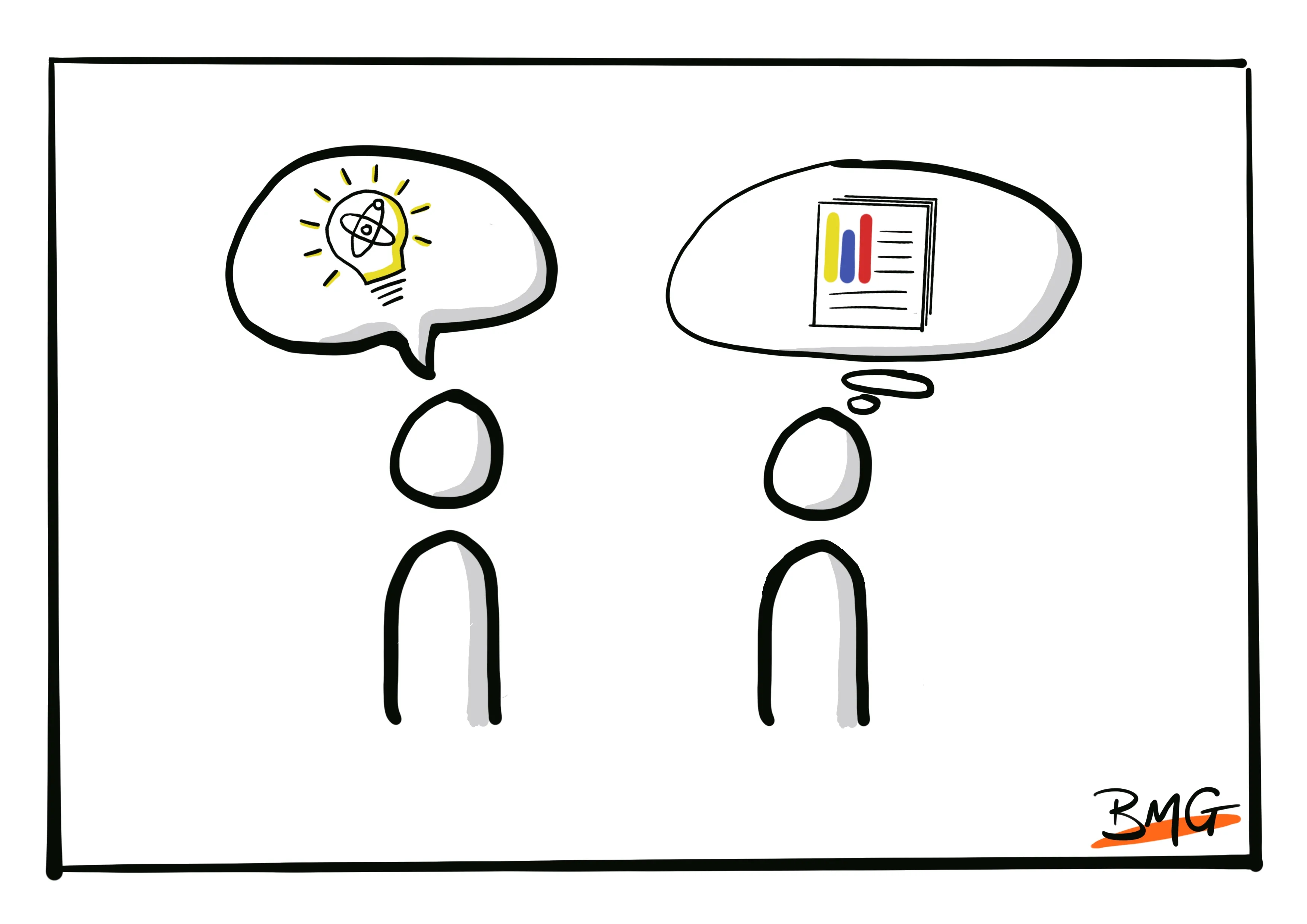
Empirical creativity is the blend of data-driven decision-making and innovative thinking.
It involves gathering data and using it to inform creative solutions.
This approach ensures that creativity is not just about wild ideas but is grounded in reality.
A quick pause
If this is helpful, the free guide goes deeper, and the newsletter brings ideas like this twice a week.
Role of Data in Innovation
Data plays a crucial role in supporting an innovative team.
By analysing trends and patterns, organisations can identify opportunities for creative solutions.
This method helps in reducing risks and increasing the chances of success.
Balancing Creativity and Evidence
Balancing creativity with evidence is essential for sustainable innovation.
While data provides a solid foundation, creativity allows for unique and novel solutions.
This balance ensures that innovations are both practical and groundbreaking.
Strategies for Fostering Empirical Creativity
Encourage data collection and analysis.
Promote a culture of experimentation.
Provide resources for creative thinking.
Balance risk with evidence-based decision-making.
Challenges in Implementing Empirical Creativity
Implementing empirical creativity comes with its challenges.
One major hurdle is ensuring that data does not stifle creativity.
Additionally, organisations must be willing to invest in both data analysis and creative processes to achieve the best results.
Empirical creativity is about finding the sweet spot between data and innovation.
It requires a mindset that values both evidence and creative thinking, ensuring that organisations can innovate effectively and sustainably.
Productive Paranoia: Preparing for Uncertainty
Understanding Productive Paranoia
Productive paranoia means that even in calm periods, leaders are hyper-vigilant, staying attuned to potential threats and changes in the environment. They prepare obsessively, always assuming that conditions could turn against them at any moment.
Productive paranoia is about always being prepared for the worst.
By anticipating potential challenges and planning accordingly, organisations can mitigate the impact of unforeseen events.
This mindset encourages leaders to be vigilant and proactive, ensuring that they are ready to face any situation.
Role of Risk Management
Risk management plays a crucial role in productive paranoia.
It involves identifying potential risks, assessing their impact, and developing strategies to address them.
Effective risk management helps organisations stay resilient and adaptable in the face of uncertainty.
Strategies for Preparing for Uncertainty
Scenario Planning: Develop multiple scenarios for potential future events and create action plans for each.
Building Reserves: Maintain financial and operational reserves to cushion against unexpected shocks.
Continuous Monitoring: Regularly monitor the external environment for signs of change or emerging threats.
Flexible Processes: Implement flexible processes that can be quickly adjusted in response to new information.
Balancing Paranoia and Confidence
While it is important to be prepared, it is equally crucial to maintain confidence in the organisation's ability to succeed.
Leaders must balance their healthy amount of scepticism with a positive outlook, ensuring that their teams remain motivated and focused on achieving their goals.
Challenges in Maintaining Productive Paranoia
Maintaining productive paranoia can be challenging.
It requires a delicate balance between being cautious and taking calculated risks.
Organisations must avoid becoming overly risk-averse, which can stifle innovation and growth. Instead, they should focus on being prepared while remaining open to new opportunities.
Building a Culture of Continuous Improvement
Creating a culture of continuous improvement is essential for any organisation aiming to achieve long-term success.
This involves fostering an environment where every team member is committed to ongoing learning and development.
Continuous improvement is not just a goal but a mindset that must be ingrained in the organisational culture.
The Role of Leadership in Strategy Execution
Understanding Leadership's Role in Execution
Effective strategic leaders bridge the gap between strategic plans and their successful implementation.
They ensure that the company's vision is translated into actionable steps that everyone can follow.
Strong leadership is crucial for aligning the team with the company's goals**.**
Strategies for Effective Leadership
Clear Communication: Leaders must communicate the strategic plan clearly to all team members.
Empowerment: Empower employees by giving them the tools and authority to execute the strategy.
Monitoring Progress: Regularly check the progress and make adjustments as needed.
Aligning Leadership with Company Vision
Leaders should ensure that their actions and decisions are in line with the company's vision. This alignment helps in maintaining a consistent direction and focus.
Balancing Leadership and Team Autonomy
While leadership is essential, it's also important to give teams the autonomy to make decisions.
This balance helps in fostering innovation and quick decision-making.
Challenges in Leadership Execution
Leaders often face challenges such as resistance to change and lack of resources.
Overcoming these challenges requires resilience and adaptability.
Effective strategic leaders work to bridge the gap between strategic plans and their successful implementation.
Aligning Strategy with Organisational Goals
Principles of Strategic Alignment
Strategic alignment is the practise of integrating an organisation's goals into your strategies and objectives.
By doing so, you align your work and that of your team with the broader mission of the company.
This ensures that every action taken contributes to the overall success of the organisation.
Role of Leadership in Alignment
Leadership plays a crucial role in ensuring strategic alignment.
Leaders must communicate the company's vision clearly and ensure that every team member understands their role in achieving it.
This involves setting clear expectations and providing the necessary resources for success.
Implementing Alignment Processes
To implement alignment processes, start by setting up organisational structures that support your strategy.
This includes designing roles, decision rights, and incentives that reinforce your company's identity.
Regularly review and adjust these structures to ensure they remain effective.
Balancing Alignment and Flexibility
While alignment is crucial, it's also important to remain flexible.
Strategies should evolve with new challenges and opportunities.
Regularly assess your strategic plan and be prepared to make adjustments as needed to stay on course.
Challenges in Maintaining Alignment
Maintaining alignment can be challenging, especially in large organisations.
It requires ongoing communication, regular reviews, and a commitment to making necessary changes. However, the benefits of a well-aligned strategy far outweigh the challenges.
Measuring Success: Metrics and KPIs
Understanding Metrics and KPIs
Metrics and KPIs are often confused, but the clear difference is KPIs are the key measures that will have the most impact in moving your organisation forward.
Metrics are general measurements that track various aspects of performance, while KPIs (Key Performance Indicators) are specific metrics that align directly with your strategic goals.
Role of Metrics in Strategy Execution
Metrics play a crucial role in strategy execution by providing a clear picture of progress.
They help in identifying areas that need improvement and ensure that everyone in the organisation is aligned with the strategic goals.
For instance, tracking customer retention rates can indicate whether your strategies are effective.
Implementing Effective Metrics
To implement effective metrics, follow these steps:
Identify your strategic goals.
Determine the KPIs that align with these goals.
Set clear, measurable targets for each KPI.
Regularly monitor and review the data.
Adjust strategies based on the insights gained.
Case Studies of Successful Metrics
Danaher, a conglomerate of more than 25 companies, uses eight key metrics called “core value drivers” to underline their strategic relevance.
These include financial metrics like core growth and operating margin expansion, customer-facing metrics like on-time delivery, and employee-related metrics like retention rates.
These metrics are tracked constantly and reviewed monthly to solve problems and improve practises.
Balancing Metrics and Innovation
While metrics are essential for tracking progress, it's important to balance them with innovation.
A stagnant organisation has no room for growth. Encourage employees to brainstorm, experiment, and take calculated risks with strategic initiatives in mind.
Challenges in Measuring Success
Measuring success comes with its own set of challenges.
These include ensuring data accuracy, aligning metrics with strategic goals, and avoiding an over-reliance on numbers.
It's crucial to maintain a balance between quantitative data and qualitative insights to get a comprehensive view of performance.
Building Trust and Accountability in Teams
Principles of Trust and Accountability
Building trust and accountability begins with creating an atmosphere of openness and respect.
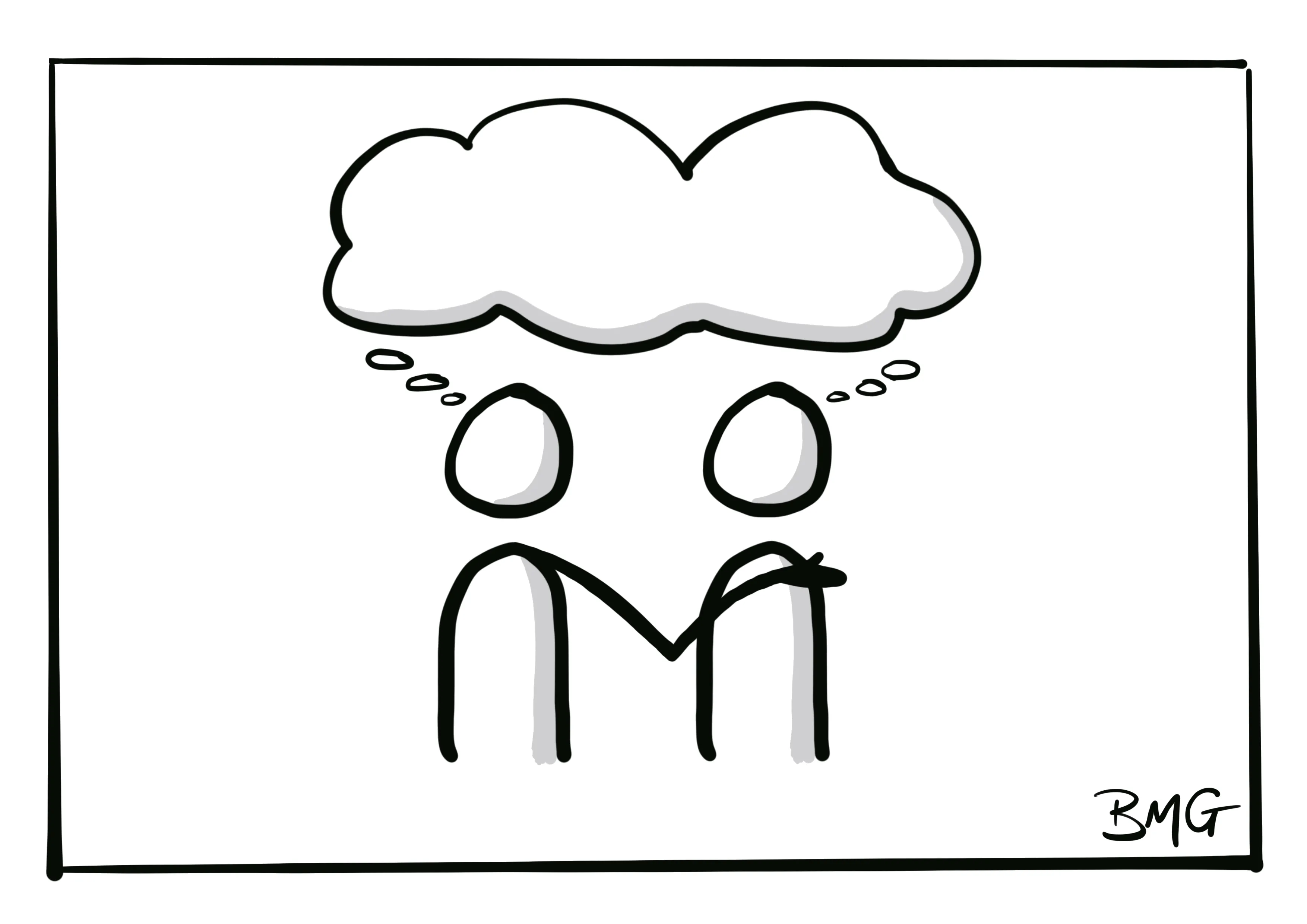
This approach means encouraging honest communication.
Trust is the foundation of any successful team, and without it, accountability cannot be effectively established.
Teams must feel safe to express their thoughts and concerns without fear of retribution.
Role of Leadership in Building Trust
Leaders play a crucial role in fostering trust within their teams.
They must lead by example, demonstrating integrity and transparency in their actions.
When leaders are consistent and fair, it sets a standard for the rest of the team to follow.
Effective leadership is about being approachable and showing genuine concern for team members' well-being.
Implementing Accountability Processes
To implement accountability, clear expectations and responsibilities must be defined.
This can be achieved through regular check-ins and performance reviews.
Accountability processes should be fair and consistent, ensuring that everyone is held to the same standards.
It's also important to provide constructive feedback and support to help team members improve.
Balancing Trust and Performance
While trust is essential, it must be balanced with performance expectations.
Teams need to understand that trust does not mean leniency.
High performance standards should be maintained, and team members should be encouraged to strive for excellence.
This balance ensures that trust and accountability go hand in hand, leading to a more productive and cohesive team.
Challenges in Maintaining Trust and Accountability
Maintaining trust and accountability can be challenging, especially in larger organisations.
One common issue is the lack of communication, which can lead to misunderstandings and a breakdown of trust.
Another challenge is ensuring that accountability processes are perceived as fair and unbiased.
Overcoming these challenges requires ongoing effort and a commitment to fostering a positive team culture.
Navigating Organisational Change
Principles of Organisational Change
Organisational change is a crucial struggle.
No strategy, however brilliant, can be implemented successfully unless the people who have the most important jobs know what they need to do differently, understand how and why they should do it, and have the necessary resources.
Creating stability is just as important as managing change.
Stability management elevates the need to give attention, where change management over-rotates toward feedback.
Role of Leadership in Change Management
True leadership in organisational change is about creating alignment: aligning people with a shared vision, confronting brutal facts, and building momentum for transformation while maintaining the core values that define the organisation.
Leadership plays a pivotal role in change management.
Leaders must set proximate goals that connect to the longer-term strategy.
This helps employees understand what they need to do differently and actually do it.
Without clear goals, employees may resist changes, leading to disappointing results.
Implementing Change Processes
Implementing change processes involves several steps:
Set clear, tangible goals that align with the long-term strategy.
Communicate the reasons for change and the benefits it will bring.
Provide the necessary resources and support to employees.
Monitor progress and make adjustments as needed.
Balancing Change and Stability
Balancing change and stability is essential for long-term success.
Companies that fail to set proximate goals often face disappointing results.
On the other hand, those that manage to create stability while implementing change can achieve sustained momentum and success.
Challenges in Navigating Change
Navigating change comes with its own set of challenges:
Resistance from employees who are comfortable with the status quo.
Difficulty in setting and communicating clear goals.
Ensuring that the necessary resources and support are available.
Balancing short-term pain with long-term gain.
Change is not just about moving forward; it's also about ensuring that the foundation remains strong.
Creating stability is just as important as managing change.
Conclusion
In conclusion, transforming a good team into a great one is not just about setting high goals, it's about laying a foundation that supports sustainable excellence.
As outlined in ‘Good to Great”, the journey from mediocrity to greatness hinges on a clear, well-thought-out strategy paired with disciplined and consistent execution.
The principles discussed - such as ensuring you have the right people in the right roles, facing the brutal facts of your reality, and maintaining unwavering commitment to disciplined action - aren't just theoretical concepts. They are practical tools that, when applied diligently, can reshape a team's trajectory.
These principles create and maintain a culture where excellence becomes the norm, not the exception.
However, it’s crucial to recognise that achieving greatness isn’t a one-time effort or a final destination.
It's a continuous journey, requiring ongoing reflection, improvement, and dedication.
By embedding the insights from ‘Good to Great’ into your team’s strategy, you don’t just prepare for success, you create a system where success is inevitable and enduring.
Ultimately, the pursuit of greatness becomes woven into the very fabric of your team's identity, driving sustained performance and long-term impact.
Remember, the path to extraordinary is walked with a thousand small steps, you’re doing great!
Want to learn more? Let's grow together!
Your Small Steps
What is Level 5 Leadership?
Level 5 Leadership is about having leaders who are humble yet driven to achieve the best for their company. These leaders focus on the success of the organisation rather than personal gain.
Why is having the right people on the bus important?
Having the right people in the right roles is crucial because it ensures that the team is capable and aligned with the company's vision. Without the right people, even the best strategies can fail.
What is the Stockdale Paradox?
The Stockdale Paradox is about facing the harsh realities of your situation while maintaining faith that you will prevail in the end. It teaches balance between optimism and realism.
How does the Hedgehog Concept simplify strategy?
The Hedgehog Concept simplifies strategy by focusing on three circles: what you are passionate about, what you can be the best at, and what drives your economic engine.
What is the Flywheel Effect?
The Flywheel Effect describes how small, consistent efforts can build momentum over time, leading to significant results. It's about steady progress rather than quick wins.
Why is technology important in business strategy?
Technology is important because it can accelerate growth and innovation. It helps businesses stay competitive and meet the changing needs of customers.
What does 'Clock Building, Not Time Telling' mean?
'Clock Building, Not Time Telling' means creating a company that can endure and thrive beyond individual leaders. It focuses on building strong systems and processes.
What is the 'Tyranny of the Or' and 'Genius of the And'?
The 'Tyranny of the Or' forces a choice between two opposites, while the 'Genius of the And' finds a way to embrace both. This concept helps companies balance conflicting needs.
What are Big Hairy Audacious Goals (BHAGs)?
BHAGs are bold, ambitious goals that inspire and challenge the organisation. They are meant to drive long-term vision and motivate the team to achieve great things.
How does fanatic discipline contribute to success?
Fanatic discipline means sticking to your goals and maintaining high standards, no matter the circumstances. It ensures consistency and reliability in achieving objectives.
What is empirical creativity?
Empirical creativity is about using data and evidence to drive innovation. It balances creative thinking with factual analysis to make informed decisions.
Why is building trust and accountability in teams important?
Building trust and accountability is crucial for effective teamwork. It ensures that team members are reliable and responsible, which leads to better collaboration and results.

Barry Marshall-Graham
Executive coach and leadership advisor
Get the Difficult Conversations Guide
A practical resource for leaders who want to say the thing that needs saying, without burning bridges or avoiding the moment.
Keep reading
13 March 2026
The Weight of Unshared Doubt
Why senior leadership feels lonelier as you rise, and why confidence is often just unshared doubt.

9 March 2026
Why Your Best Advice is the Problem
Why the rush to fix others is actually a specific insecurity, and how to stop.

6 March 2026
The Weight in Your Voice
Your words carry more weight than you realise. Calm authority is often a matter of pace, tone, and the courage to name what matters.

2 March 2026
The Quiet Drift You Inherit
Inherited teams rarely collapse in a moment. They drift. Resetting standards isn't about being harsh, it's about clarity, dignity, and trust.

27 February 2026
When Everyone Owns It
Shared ownership sounds healthy, but when everyone owns a decision, nobody owns the decision. Clarity needs a single accountable owner.
23 February 2026
The Private Ledger of Leadership
Senior leaders carry a private ledger of risks, promises, and people. Naming that inner load isn't weakness, it's how you lead without breaking.

20 February 2026
The Avoided Conversation Is a Decision
The conversation you're avoiding isn't neutral. It's a decision to let the current pattern continue, and that decision shapes the culture.

16 February 2026
Calm Authority in Tense Rooms
Authority isn't volume or force. It's the ability to hold a tense room steady, name what matters, and set a clear boundary without heat.

13 February 2026
The First Small Tolerance
Standards rarely collapse in a moment. They slip through the first small tolerance you let pass, then the next one feels easier.

9 February 2026
The Decision Vacuum
When decision rights are unclear, every meeting becomes a referendum. Clarity is less about answers and more about who owns the call.
