How High Performers Structure Their Day
7 July 2025
What the best do differently to protect their time and maximise their impact.
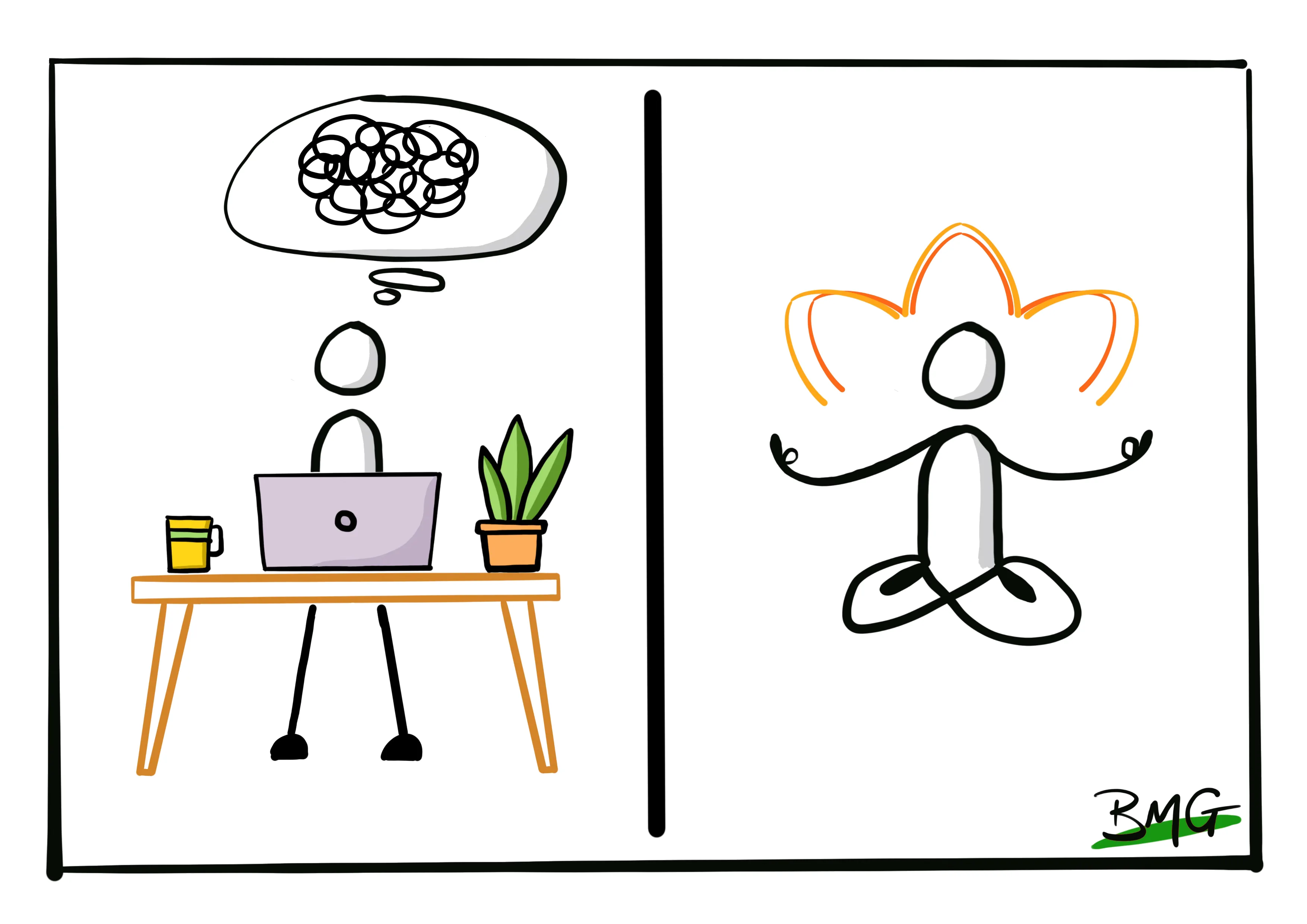
“Clarity about what matters provides clarity about what does not.”
Cal Newport, author of Deep Work
Success leaves clues.
One of the clearest is how high performers spend their time.
Ive done a lot of reading on this and the pattern I see is that the majority of true high performers don’t drift through the day hoping for flow, they design their day for it.
They don’t cram in more tasks, or wake up at 5am just because someone on YouTube said so.
They align their energy, priorities, and presence, so they’re working on the right things, in the right state, at the right time.
High performance isn’t just what you do.
It’s how you structure what you do.
What Sets High Performers Apart
From elite athletes to top CEOs, the top 1% do things most won’t, because they understand one simple truth:
You can’t manage time, but you can manage attention.
They recognise that focus is a limited asset, clarity is earned through curiosity, and discipline is a daily choice we each must make to really succeed.
Some shared traits of high performers:
They protect deep work like gold.
They stack habits into meaningful routines.
They don’t confuse movement with progress.
They operate with rhythm, not rigidity.
They design their day around energy - not availability.
Five Principles That Drive Performance
Start With the End State
Before scheduling tasks, elite performers get clear on the outcome they want, not just the actions to get there.
They ask:
What does a successful day look like?
What will I feel proud to have completed?
What’s the one thing that will move the needle most?
In short, the end-state is focusing on value, not volume.
Time-Block the Important (Not Just the Urgent)
High performers use time-blocking religiously, but not just for meetings … they block:
Thinking time
Creative time
Strategy time
Recovery time
They understand that if it’s not scheduled, it’s not protected.
Align With Natural Energy Rhythms
Rather than fighting their physiology, high performers build schedules around their personal peaks and troughs.
Mornings for deep, focused work.
Afternoons for admin, meetings, or lighter tasks.
Evenings for reflection, planning, or rest.
They’re not aiming for non-stop productivity, they’re aiming for intentional cadence around their natural physiology.
We have all heard that some folk are “morning people” and some “night owls”. Which are you?
Find and work to your own natural rhythm and stop fighting against it.
A quick pause
If this is helpful, the free guide goes deeper, and the newsletter brings ideas like this twice a week.
Make Recovery Part of the System
Top performers don’t endlessly push. They pulse.
They rest with the same intention they bring to work.
That means:
Pausing between intense blocks.
Using walks, breath work, meditation or silence as resets.
Sleeping like it’s part of the job (because it is).
They know burnout doesn’t make you a hero, it makes you ineffective, and an ineffective person has no value for anyone.
Review, Reflect, Refine
At day’s end or week’s close, high performers ask:
What worked?
What didn’t?
What will I change?
They treat their schedule like a prototype, not a prison.
That’s how performance evolves: in retrospective review and iteration.
Reflection Prompts
What’s one daily ritual you could protect more intentionally?
Which tasks regularly consume energy but deliver little impact?
When do you feel most alert? Most drained?
Are your biggest priorities showing up in your calendar?
What would it look like to end your day with clarity, not clutter?
Final Thought
Perspectively, high performers don’t chase time … they shape it.
They know that how you spend your day is how you spend your life, and so they treat each hour with care, clarity, and commitment.
They don’t aim to do more.
They aim to do what matters, when it matters, with the presence it deserves.
Some label this high performance, which enticed you in to read this far.
I label it self-care.
For me, any apparent high performance is just a complimentary benefit.
Remember, the path to extraordinary is walked with a thousand small steps, you’re doing great!
Small Steps, Giant Leaps is a reader-supported publication. To receive new posts and support my work, consider becoming a free or paid subscriber.
Your Small Steps
Do I need to wake up at 5am to be productive?
No. It’s not the hour you start or end, it’s what you do with the hours you have available.
Action: Identify your natural high-energy window and protect it for deep work.
How can I focus with so many distractions?
High performers design for focus. They turn off notifications, set boundaries, and use time blocks.
Action: Try a 60 to 90-minute distraction-free window tomorrow. See what changes.
What if my job is mostly reactive?
Even in reactive roles, you can own moments. Start small … one intentional block a day.
Action: Book a “non-negotiable focus block” in your calendar, even 30 minutes helps.
How can I stick to a structure without burning out?
The goal isn’t rigid scheduling, it’s rhythmic intention.
Action: Pair periods of intense effort with deep rest. After intense focus, take a short walk or breath break.
What’s one thing I can do today to start performing better?
Stop multitasking. Presence compounds. Guard your current context.
Action: Choose your next task and give it your full attention until it’s done.
Is this approach just for leaders or high-level professionals?
Not at all. Anyone can benefit from structuring their day with intention - even those who do not work.
Action: Pick one principle from this article and experiment for a week.
How do I know if my day was a success?
Ask yourself: Did I move the right things forward? Did I honour my energy?
Action: Build a 3-minute end-of-day check-in ritual. Insight grows from awareness.

Barry Marshall-Graham
Executive coach and leadership advisor
Get the Difficult Conversations Guide
A practical resource for leaders who want to say the thing that needs saying, without burning bridges or avoiding the moment.
Keep reading
13 March 2026
The Weight of Unshared Doubt
Why senior leadership feels lonelier as you rise, and why confidence is often just unshared doubt.
9 March 2026
Why Your Best Advice is the Problem
Why the rush to fix others is actually a specific insecurity, and how to stop.
6 March 2026
The Weight in Your Voice
Your words carry more weight than you realise. Calm authority is often a matter of pace, tone, and the courage to name what matters.

2 March 2026
The Quiet Drift You Inherit
Inherited teams rarely collapse in a moment. They drift. Resetting standards isn't about being harsh, it's about clarity, dignity, and trust.
27 February 2026
When Everyone Owns It
Shared ownership sounds healthy, but when everyone owns a decision, nobody owns the decision. Clarity needs a single accountable owner.
23 February 2026
The Private Ledger of Leadership
Senior leaders carry a private ledger of risks, promises, and people. Naming that inner load isn't weakness, it's how you lead without breaking.
20 February 2026
The Avoided Conversation Is a Decision
The conversation you're avoiding isn't neutral. It's a decision to let the current pattern continue, and that decision shapes the culture.

16 February 2026
Calm Authority in Tense Rooms
Authority isn't volume or force. It's the ability to hold a tense room steady, name what matters, and set a clear boundary without heat.

13 February 2026
The First Small Tolerance
Standards rarely collapse in a moment. They slip through the first small tolerance you let pass, then the next one feels easier.
9 February 2026
The Decision Vacuum
When decision rights are unclear, every meeting becomes a referendum. Clarity is less about answers and more about who owns the call.
