Lessons in Perspective: The Absolute Wisdom of ‘Maybe So, Maybe Not’
13 September 2024
The Ancient Parable of the Farmer and His Horse
The ancient story of the Chinese farmer and his horse teaches us many important lessons and over time, has been told by many people, including the famous philosopher Alan Watts.
This story reminds us that what seems good or bad at first might change over time. The farmer's calm attitude shows us a balanced approach to handle life's ups and downs, and further how we might use the very same mindset to become better leaders.
Key Takeaways
Life is full of surprises, and what seems bad now might turn out to be good later.
Staying calm and not judging events too quickly can help us deal with challenges better.
The story teaches the idea of non-attachment, meaning we should not get too attached to outcomes.
Understanding that life is cyclical can help us accept that good times and bad times come and go.
Using this perspective can make us more resilient and better at handling uncertainty.
The Timeless Wisdom of the Chinese Farmer Parable
Origins and Historical Context
The Chinese Farmer Parable is an ancient story that has been passed down through generations.
Its exact origins are unknown, but it is often linked to Taoist philosophy, which emphasises harmony with the natural flow of life, acceptance of change, and the rejection of rigid thinking.
In Taoism, the concept of “wu wei” (non-action or effortless action) encourages individuals to respond to life with fluidity and balance rather than force or resistance, which is reflected in the parable’s message of non-judgment and acceptance of uncertainty.
The tale has been shared in various forms, each time highlighting the same core message of perspective and acceptance. This resonates deeply with Taoist teachings, which suggest that the labels of “good” and “bad” are often illusions based on limited understanding.
Over time, the parable has been adapted and referenced in different cultural and philosophical contexts. It has appeared in Western thought as well, often cited by modern-day philosophers, psychologists, and mindfulness teachers as a profound example of the value of suspending judgment and maintaining a flexible, open-minded approach to life.
The Story as Told by Alan Watts
Alan Watts, a renowned British philosopher, popularised this parable in the West.
The story goes like this:
Once upon a time there was a Chinese farmer whose horse ran away. That evening, all of his neighbours came around to commiserate. They said, “We are so sorry to hear your horse has run away. This is most unfortunate.” The farmer said, “Maybe so. Maybe not. We’ll see”
The next day the horse came back bringing seven wild horses with it, and in the evening everybody came back and said, “Oh, isn’t that lucky. What a great turn of events. You now have eight horses!” The farmer again said, “Maybe so. Maybe not. We’ll see.”
The following day his son tried to break one of the horses, and while riding it, he was thrown and broke his leg. The neighbors then said, “Oh dear, that’s too bad,” and the farmer responded, “Maybe so. Maybe not. We’ll see.”
The next day the conscription officers came around to conscript people into the army, and they rejected his son because he had a broken leg. Again all the neighbors came around and said, “Isn’t that great!” Again, he said, “Maybe so. Maybe not. We’ll see.”
Why This Parable Resonates Today
The parable's timeless wisdom lies in its simplicity and profound message.
In the modern world, people often rush to judge events as good or bad.
This story reminds us to take a step back and view situations with a broader perspective. It teaches us that life is unpredictable, and what seems like a setback might turn out to be a blessing in disguise. This lesson is especially relevant in our modern lives, where uncertainty is a constant companion.
The Chinese Farmer Parable encourages us to embrace life's ups and downs with equanimity, understanding that every event is part of a larger, interconnected process.
Understanding the Concept of Non-Attachment
What is Non-Attachment?
Non-attachment is the practice of not clinging to outcomes, emotions, or material possessions.
It’s a state of mind where you engage with life fully, but without becoming overly invested in the results or letting external circumstances dictate your inner peace. Non-attachment doesn’t mean indifference or apathy; rather, it encourages living with intention while remaining emotionally flexible.
By not tying your sense of happiness or self-worth to specific outcomes, you become more resilient in the face of challenges and better able to navigate life’s inevitable fluctuations.
This mindset allows you to experience life without being overwhelmed by its ups and downs. When you are not attached to a specific result, you can appreciate the present moment more deeply, without the fear of loss or disappointment.
Non-attachment cultivates a sense of inner stability, as your emotional well-being is no longer dependent on fleeting successes, possessions, or relationships. It empowers you to embrace life’s unpredictability with a sense of equanimity, accepting that change is constant and that both joy and suffering are temporary.
This creates a more peaceful and balanced existence, where contentment comes from within rather than from external factors.
The Farmer's Perspective
The farmer in the parable embodies non-attachment.
When his horse runs away, he doesn't label it as good or bad, just “as it is”.
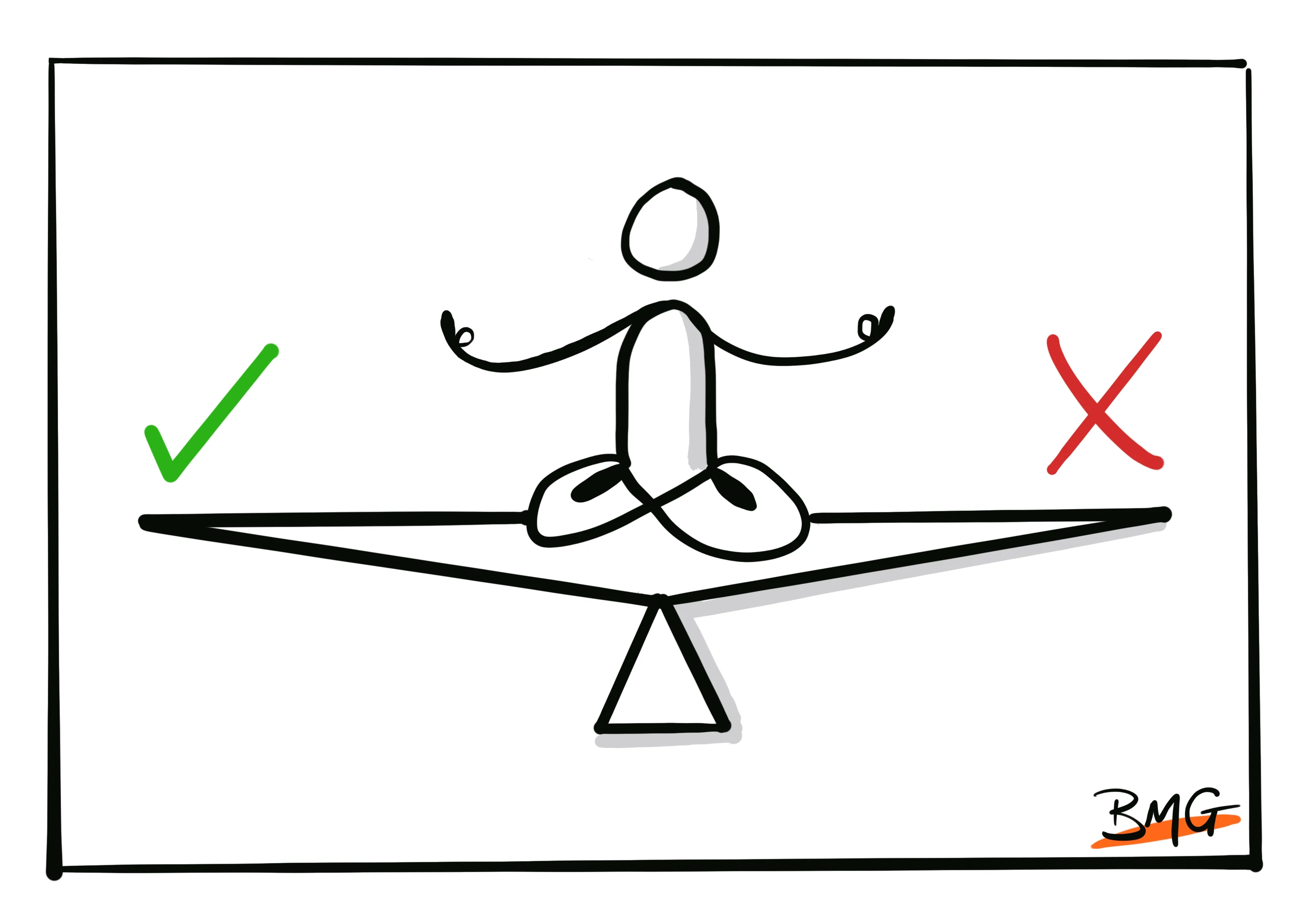
When the horse returns with more horses, he still refrains from judging the situation. This attitude helps him stay calm and balanced, no matter what happens. His perspective and attitude to change continues through the story, and leaves the recipient to wonder which further events may occur as a direct consequence of his and his son’s fortune.
The farmer's way of thinking teaches us to accept events as they come, without rushing to label them as positive or negative and we can be sure that whatever events may occur outside the bounds of the known tale, the farmer will remain balanced.
Applications in Modern Life
Practicing non-attachment can be incredibly beneficial, offering a more peaceful and resilient way to navigate life’s challenges.
Here are seven key areas where non-attachment can make a significant difference:
1. Relationships
Non-attachment in relationships means not relying on others for your happiness. While relationships can bring joy, fulfillment, and companionship, it’s essential to understand that your well-being is your responsibility.
By maintaining a healthy sense of independence, you can enjoy your relationships without becoming overly dependent on others for emotional validation.
It also allows you to deal with the inevitable changes and challenges in relationships with more grace, knowing that your inner peace doesn’t depend on external factors.
2. Work
Work is often a source of stress, particularly when we become attached to specific outcomes.
Practicing non-attachment at work means focusing on doing your best and contributing meaningfully without being consumed by the results.
Letting go of the need for things to go exactly as planned, you can reduce anxiety and improve your performance.
This approach also allows you to stay open to learning and growth, as failures or setbacks are seen not as personal defeats, but as part of a larger journey.
3. Possessions
It’s easy to equate our worth with what we own.
Non-attachment teaches us to appreciate our possessions without letting them define us.
While it’s natural to enjoy the comforts that material items bring, placing too much value on them can lead to disappointment and a never-ending cycle of wanting more. By practicing non-attachment, you learn to find contentment from within, rather than relying on material things for happiness.
4. Health and Fitness
Non-attachment in the context of health and fitness means working toward your goals without becoming obsessed with achieving a perfect outcome.
While it’s important to take care of yourself, attaching your self-worth to how you look or how fast you can reach certain fitness goals can very easily lead to frustration or burnout.
By focusing on the process, whether eating well, exercising, or cultivating mindfulness, you can enjoy the journey and stay motivated without being fixated on immediate results.
This makes it easier to maintain healthy habits in the long term and to be kinder to yourself during setbacks or plateaus.
5. Personal Growth
As a recovering perfectionist myself, I feel adequately qualified in this area.
In our pursuit of personal growth, it’s common to set high expectations for ourselves and become attached to specific milestones of success. However, non-attachment encourages a more flexible approach to self-improvement.
Rather than being fixated on achieving perfection, you can focus on steady progress and self-compassion. This allows for greater resilience in the face of challenges, as you’re not discouraged by occasional missteps.
It also promotes a healthier relationship with growth, one where you’re motivated by the desire to evolve rather than a need to constantly prove yourself or meet unrealistic standards.
6. With Goals and Ambitions
Having goals is important, but non-attachment means not becoming overly fixated on them to the point where failure becomes devastating.
By approaching your ambitions with a sense of openness, you can pursue your dreams while remaining adaptable to changes along the way.
Non-attachment teaches you to enjoy the process and embrace the unpredictability of life, recognising that detours may lead to unexpected opportunities.
This mindset helps to reduce the pressure of achieving everything on a strict timeline and allows for a more fulfilling and dynamic pursuit of your goals.
7. In Daily Life
Non-attachment can also be applied in small, everyday moments.
Whether it’s letting go of frustration when things don’t go as planned or accepting that not every day will be perfect, practicing non-attachment can reduce stress and promote inner peace.
By not becoming overly attached to how your day “should” go, you allow yourself to be more present and flexible.
This creates a greater sense of calm in daily life, as you’re able to navigate minor inconveniences or challenges without being thrown off balance. You learn to flow with life’s natural rhythms, accepting that uncertainty is part of the journey.
A quick pause
If this is helpful, the free guide goes deeper, and the newsletter brings ideas like this twice a week.
The Cyclical Nature of Fortune and Misfortune
The Wheel of Time in Ancient Traditions
In many ancient cultures, time is seen as a cycle rather than a straight line.
For example, in Indian traditions, there's the concept of the Wheel of Time, or kalachakra.
This idea suggests that time moves through three stages:
Creation
Destruction
Rebirth
Each phase follows the other, creating a continuous loop.
This cycle is not just about the physical world but also about our personal lives. We experience growth, face challenges, and then find new beginnings.
Understanding the cyclic nature of fortune and misfortune can help us grow.
Instead of getting too attached to good times or too upset during bad times, we can learn to see them as part of a larger cycle. This perspective can make us more resilient and better prepared for whatever comes our way.
Life is a series of ups and downs. Recognising this can help us stay balanced and focused, no matter what happens.
Practical Lessons for Everyday Life
Suspending Judgement
One of the key takeaways from the parable is the importance of suspending judgement.
We should all encourage the practice withholding immediate conclusions or opinions about a situation, person, or event until more information or time has passed. Instead of rushing to categorise something as good, bad, right, or wrong, suspending judgment allows for a more open, objective, and thoughtful consideration of all the factors involved.
This practice can help avoid misunderstandings or premature reactions, as things are often more complex than they initially seem. It encourages patience, deeper reflection, and an openness to new perspectives, ensuring better decision-making and reducing impulsive responses.
In a broader sense, suspending judgment can promote empathy and tolerance. By not jumping to conclusions, we allow space for the possibility that situations may evolve, and what seems negative or positive today could take on a completely different meaning tomorrow.
Embracing Uncertainty
Life is full of uncertainties, and the parable encourages us to embrace them.
Instead of fearing the unknown, we can learn to accept it as a natural part of life.
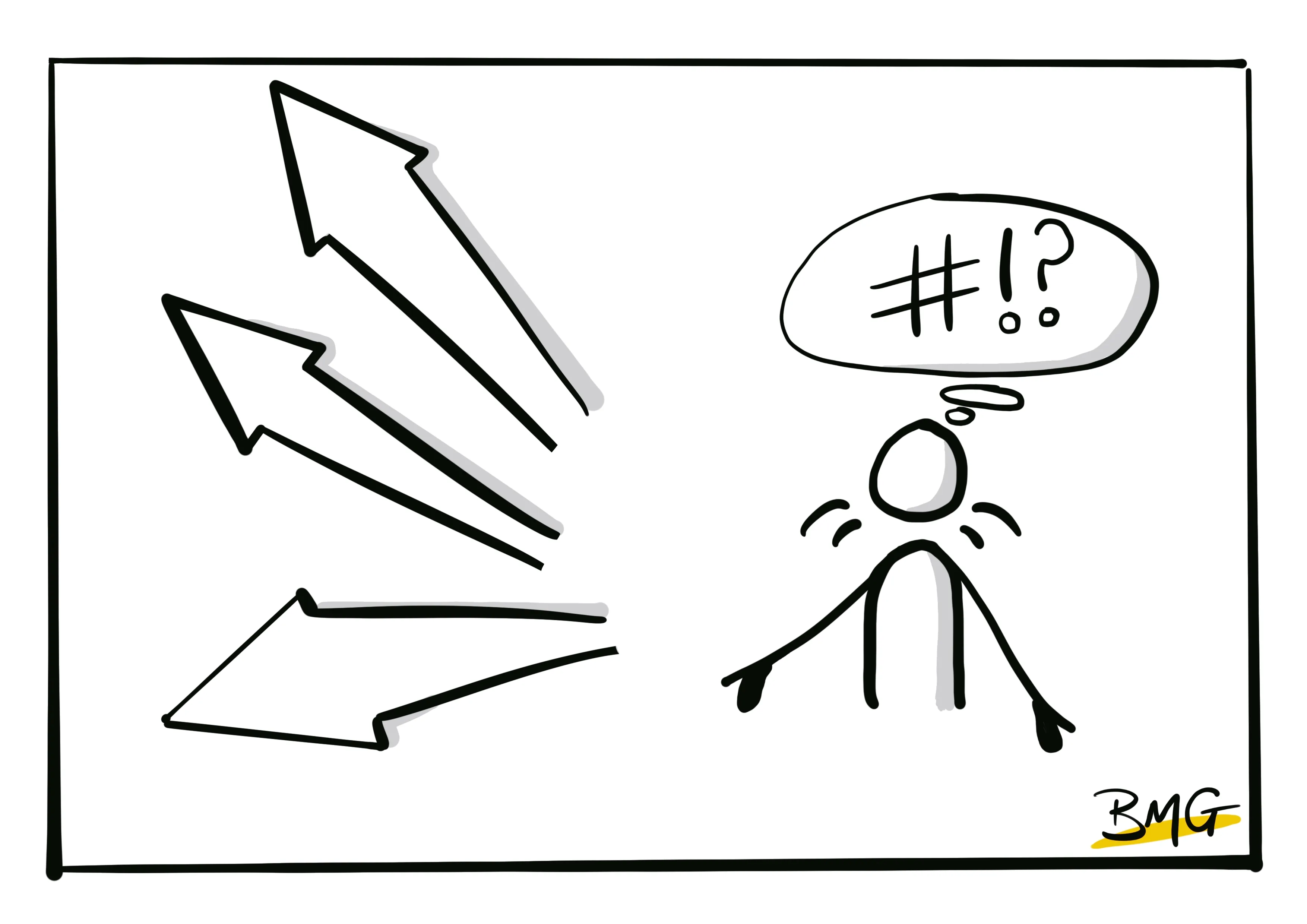
While it’s human nature to seek comfort in predictability, the truth is that uncertainty is inevitable. By adopting a mindset of openness, we free ourselves from the anxiety of trying to control every outcome.
This mindset can make us more adaptable and open to new experiences.
When we release the need to know exactly how things will unfold, we give ourselves the flexibility to respond more creatively to life’s challenges.
Whether it’s a change in career, a shift in relationships, or an unexpected event, embracing uncertainty allows us to see opportunities where others might only see obstacles.
Building Resilience Through Perspective
The farmer's attitude shows us how to build resilience by maintaining a balanced perspective.
By not getting too attached to outcomes, we can better handle life's ups and downs. This resilience can help us navigate challenges and come out stronger on the other side.
The wisdom of the farmer lies in his ability to remain neutral and composed, regardless of the situation.
This teaches us that our reactions to events can shape our experiences more than the events themselves.
Incorporating the Parable into Leadership and Decision-Making
Lessons for Leaders
The parable of the farmer and his horse offers profound insights for leaders.
One key lesson is the importance of maintaining a balanced perspective.
Leaders often face situations that seem either highly favourable or extremely challenging. By adopting the farmer's mindset, leaders can avoid overreacting to immediate circumstances and make more measured decisions.
Decision-Making Under Uncertainty
In leadership, uncertainty is a constant companion, and the ability to make decisions in ambiguous situations is a critical skill. The parable teaches us to embrace uncertainty rather than fear it, understanding that we cannot always predict the outcomes of our actions.
Leaders who adopt this mindset are more agile annd able to assess situations without the burden of needing guaranteed results. This approach allows them to focus on the process,gathering the best available information, considering potential risks and opportunities, and making thoughtful, informed decisions.
By doing so, they avoid paralysis by analysis, recognising that hesitation often leads to missed opportunities.
Application
I would argue that most successful leaders have applied the wisdom of this parable and have chosen to see opportunities over threats.
Instead of reacting with fear or knee-jerk decisions, they embraced uncertainty, understanding that what may seem like a setback in the moment could eventually lead to unforeseen growth. This mindset has allowed them to innovate and thrive when others may seek only survival.
Embracing the ‘maybe so, maybe not’ philosophy can transform how leaders approach both success and failure, leading to more resilient and adaptable teams and organisations.
Rather than becoming overly attached to positive outcomes or discouraged by adversity, they learn to see both as temporary conditions, subject to change. This creates an environment where risk-taking and experimentation are encouraged because failures are not seen as permanent defeats but as part of a larger, evolving process.
By applying this flexible approach, the very best leaders stay grounded and make more measured decisions in times of crisis.
It helps them to avoid the trap of short-term thinking, creating long-term resilience and the ability to pivot when circumstances change.
Over time, this adaptability positions teams and organisations to succeed in unpredictable environments, where the only certainty is that conditions will continue to shift and, as mentioned in the video above, there is only one thing that is certain … EVERYTHING CHANGES.
Ultimately, the parable teaches that the real power lies not in trying to predict or control every outcome, but in being open to the unexpected.
Leaders who cultivate this mindset are better equipped to navigate the complex and ever-changing landscape of modern business.
Conclusion
The parable of the Chinese farmer and his horse teaches us a valuable lesson about perspective. Life is unpredictable, and what seems like a misfortune today might turn out to be a blessing tomorrow, and vice versa.
By adopting the farmer’s mindset we can learn to accept life’s ups and downs with grace and patience, understanding that the full picture often unfolds with time.
This open mindset helps us stay calm and balanced, no matter what comes our way. It encourages resilience, reminding us that neither success nor failure is permanent.
By cultivating non-attachment and suspending judgment, we can navigate life’s uncertainties with greater ease, finding peace in the present moment rather than in outcomes.
In a life full of unknowns, the wisdom of this simple story reminds us to embrace the flow of life, trusting that even in chaos, there is often hidden order and potential for growth.
Remember, the path to extraordinary is walked with a thousand small steps, you’re doing great!
Want to learn more? Let's grow together!
Your Small Steps
What is the Chinese Farmer Parable about?
The Chinese Farmer Parable is a story about a farmer who experiences various events that seem good or bad. Each time, he simply responds with 'Maybe,' teaching us that it's hard to judge events as good or bad immediately.
Who popularised the Chinese Farmer Parable?
The parable was popularised by Alan Watts, a philosopher known for his lectures on Buddhism, Taoism, and Hinduism.
What is the main lesson of the Chinese Farmer Parable?
The main lesson is to avoid quick judgments about events. What seems bad might turn out good and vice versa. It encourages a mindset of non-attachment and acceptance.
How does the parable relate to non-attachment?
The farmer's neutral response to each event shows non-attachment. He doesn’t get overly happy or sad, accepting things as they come without clinging to outcomes.
Can the parable be applied to modern life?
Yes, the parable can help us handle life's ups and downs with more calmness and less stress. It teaches us to accept uncertainty and not rush to label experiences as good or bad.
Why do parables like this endure over time?
Parables endure because they offer timeless wisdom. They are simple yet profound stories that teach important life lessons, making them relevant across generations.

Barry Marshall-Graham
Executive coach and leadership advisor
Get the Difficult Conversations Guide
A practical resource for leaders who want to say the thing that needs saying, without burning bridges or avoiding the moment.
Keep reading
13 March 2026
The Weight of Unshared Doubt
Why senior leadership feels lonelier as you rise, and why confidence is often just unshared doubt.

9 March 2026
Why Your Best Advice is the Problem
Why the rush to fix others is actually a specific insecurity, and how to stop.

6 March 2026
The Weight in Your Voice
Your words carry more weight than you realise. Calm authority is often a matter of pace, tone, and the courage to name what matters.

2 March 2026
The Quiet Drift You Inherit
Inherited teams rarely collapse in a moment. They drift. Resetting standards isn't about being harsh, it's about clarity, dignity, and trust.
27 February 2026
When Everyone Owns It
Shared ownership sounds healthy, but when everyone owns a decision, nobody owns the decision. Clarity needs a single accountable owner.
23 February 2026
The Private Ledger of Leadership
Senior leaders carry a private ledger of risks, promises, and people. Naming that inner load isn't weakness, it's how you lead without breaking.

20 February 2026
The Avoided Conversation Is a Decision
The conversation you're avoiding isn't neutral. It's a decision to let the current pattern continue, and that decision shapes the culture.

16 February 2026
Calm Authority in Tense Rooms
Authority isn't volume or force. It's the ability to hold a tense room steady, name what matters, and set a clear boundary without heat.

13 February 2026
The First Small Tolerance
Standards rarely collapse in a moment. They slip through the first small tolerance you let pass, then the next one feels easier.

9 February 2026
The Decision Vacuum
When decision rights are unclear, every meeting becomes a referendum. Clarity is less about answers and more about who owns the call.
