Mastering Your Peak Productivity: Harness Your Natural Rhythms for Deep Work and Efficiency
27 September 2024
Unlock Your Full Potential by Working with Your Body’s Clock, Not Against It!
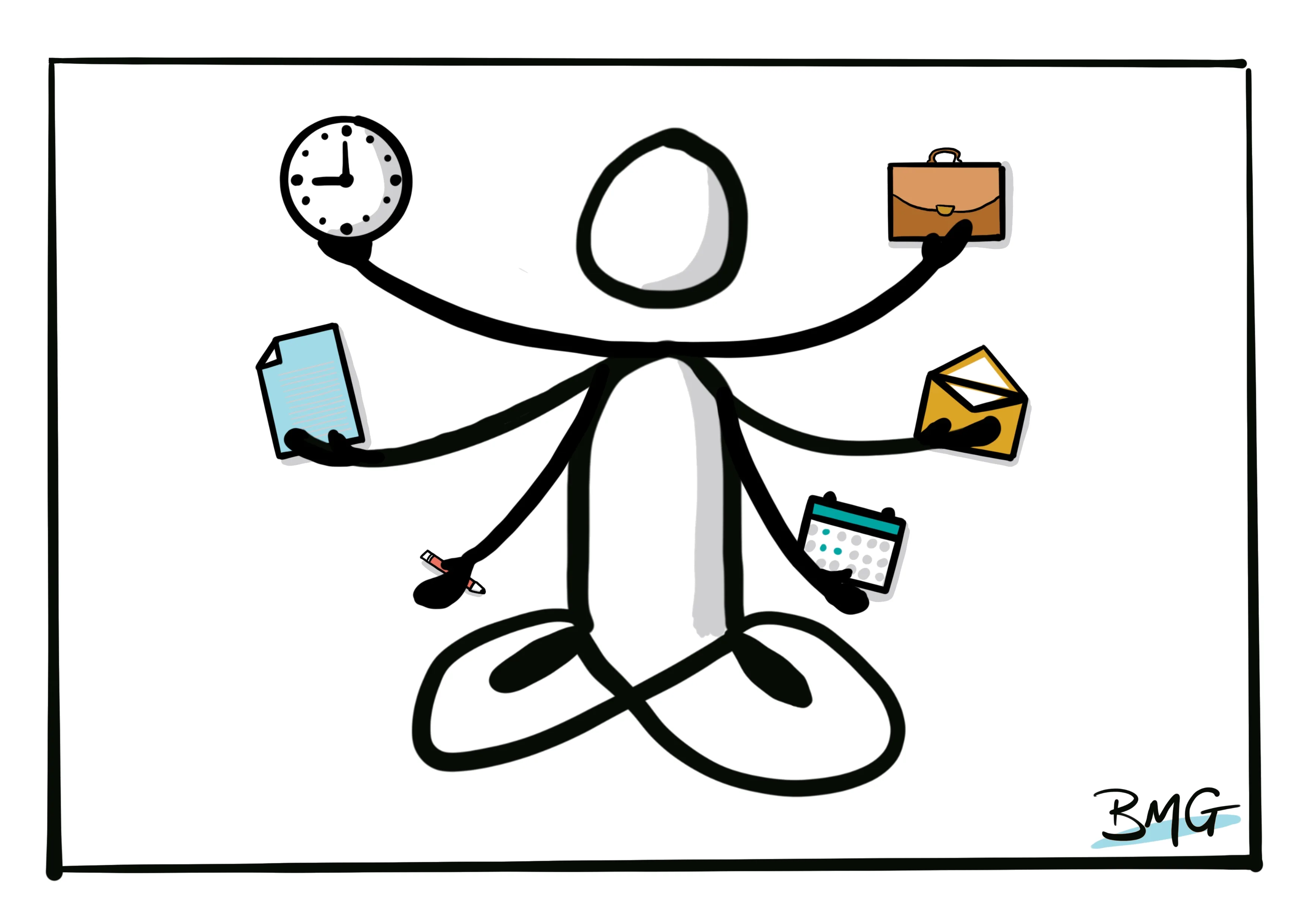
Maximising productivity isn’t just about working longer hours … it’s about understanding your own natural rhythms and making intentional adjustments to work in harmony with them. By recognising when you’re most focused and energised, and creating an environment to maintain deep concentration, you can achieve greater efficiency and produce high-quality work.
Over time, I have recognised that my own “Golden Hour” is very early in the morning where I manage to hit my levels of peak productivity and energy, but I also recognise that it’s not the same for everyone. At the other end of the spectrum are a few of my colleagues, who start very late in the morning and dont hit their own peak until long after others (including me) have left for the day.
This article delves into strategies designed to help you unlock your peak productivity hours, structure your day around your energy levels, and prioritise self-care for long-term success.
You’ll learn how to leverage proven techniques such as time blocking, deep work, and the use of technology, all while ensuring that your mental and physical well-being remain top priorities.
Key Takeaways
Identify your Biological Prime Time and schedule your most important tasks during your peak productivity hours.
Optimise your workspace to be free of distractions, helping you stay focused and enter deep work states.
Use time blocking to structure your day, allowing you to manage your schedule effectively and minimise multitasking.
Embrace productivity-enhancing technology, such as apps for time management, focus, and task organisation.
Prioritise self-care through proper sleep, nutrition, and exercise, ensuring sustained energy and focus throughout the day.
Understanding Your Productivity Rhythm
Identifying Peak Productivity Hours
To unlock your full potential and work smarter, not harder, it’s vital to identify your personal peak productivity hours.
Every individual operates on a unique rhythm, driven by their circadian cycle and natural energy patterns. Recognising when you’re at your most focused and energetic allows you to align demanding tasks with these peak times, leading to higher efficiency and better results.
These will help pinpoint your optimal working hours:
Track Your Daily Energy Levels: Over the course of a week, keep a simple log of your energy fluctuations. Jot down how you feel at various points throughout the day, particularly when you notice spikes in energy or focus. Patterns will soon emerge, revealing when you naturally thrive.
Tune Into Your Natural Rhythms: Reflect on your tendencies. Are you an early riser like me, who feels energised in the morning, or do you find that you hit your stride much later in the day? This self-awareness is the foundation for scheduling your work in harmony with your body’s clock.
Test Different Tasks at Different Times: Experiment by scheduling more complex or creative tasks during your suspected peak hours. Track whether your performance improves and compare how you handle challenging work when aligned with your peak versus non-peak times.
By intentionally aligning your work schedule with your energy highs and lows, you’ll set the stage for consistent productivity and deeper focus.
Tracking Energy Levels
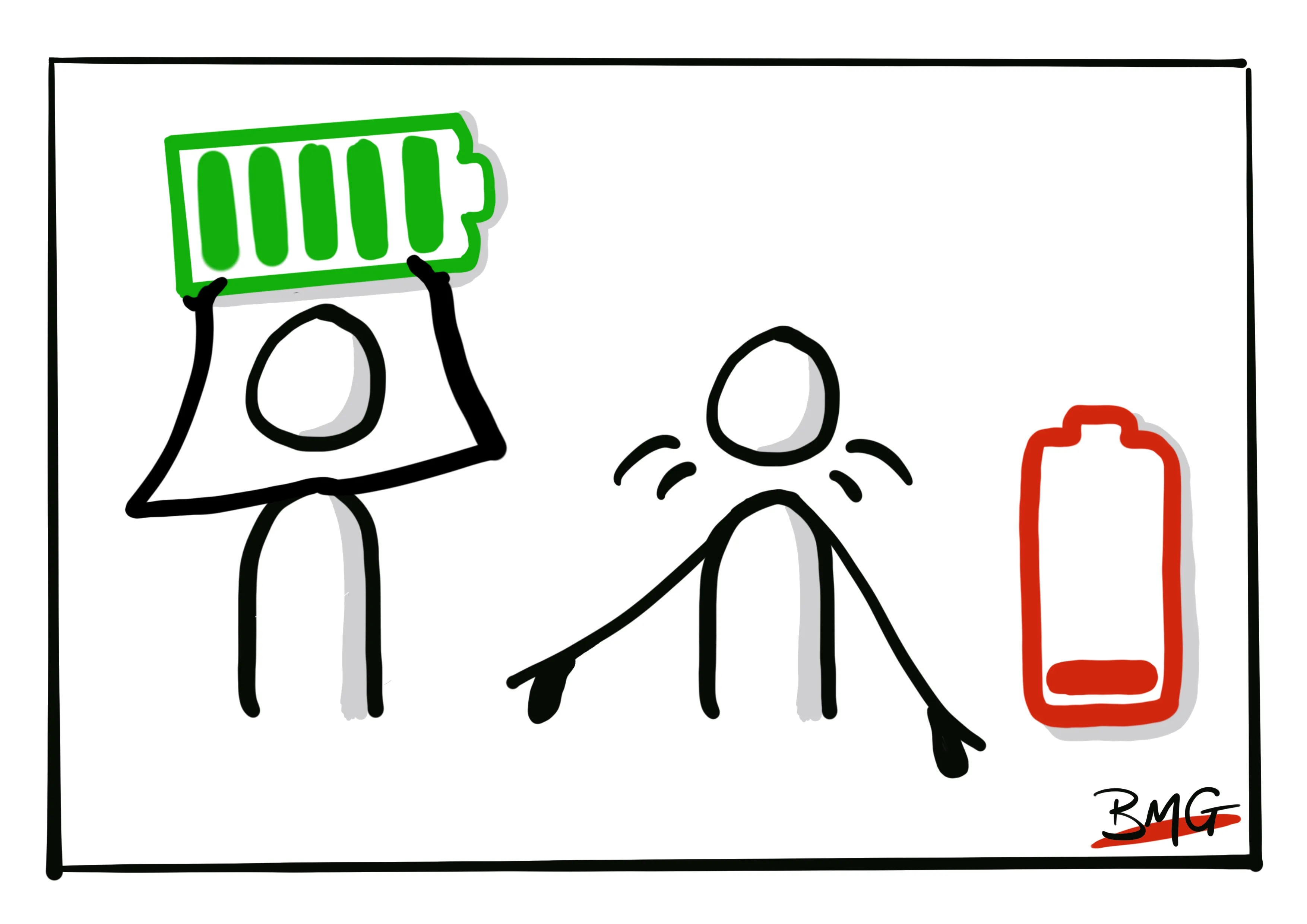
Understanding your energy levels is the key to unlocking your productivity rhythm. By tracking when you feel energised or fatigued throughout the day, you can pinpoint your ideal window for deep, focused work. This simple practice can reveal patterns that are crucial for scheduling your tasks and your meetings efficiently.
Try these to track your energy levels effectively:
Use a Journal or App: Whether you prefer a physical notebook or a digital solution, regularly logging your energy and mood throughout the day is vital. Set reminders to note down your levels at various intervals (morning, afternoon, and evening) to capture a holistic view of your energy fluctuations.
Rate Your Focus: Quantify your concentration by assigning a score between 1 and 10 at each check-in. A simple rating system makes it easier to see trends in how your ability to focus ebbs and flows. Over time, you’ll see clear peaks where your mental clarity is strongest.
Identify Patterns: At the end of each week, review your data to identify emerging patterns. You’ll begin to notice consistent periods when you feel most productive, whether early in the day or later. Use this insight to plan your most demanding or creative tasks during these high-energy periods.
By regularly tracking and reviewing your energy levels, you’ll gain actionable insights that allow you to better structure your workday around your natural rhythms. The result is a more efficient, productive, and less stressful approach to managing your workload.
Understanding these patterns allows you to schedule your most important or challenging work during peak productivity windows. You can also plan easier tasks or breaks during your natural lulls.
Analysing Productivity Patterns
Once you’ve diligently tracked your energy levels and focus, the next step is to analyse the data and turn insights into action. By identifying the times of day when you’re naturally more productive, you can create a work schedule that complements your strengths, boosts your efficiency, and reduces mental fatigue.
Give these a try to analyse your productivity patterns effectively:
Identify Trends: Look for recurring trends in your energy and focus levels. Do you notice a consistent rise in concentration mid-morning or perhaps a surge in productivity late in the afternoon? These trends will reveal your peak productivity windows … the times when you’re most capable of deep work and tackling complex tasks.
Adjust Your Schedule: Armed with this information, begin to adjust your work schedule to align demanding, high-priority tasks with your identified peak hours. For example, if your focus is sharpest between 10am and noon, reserve that time for critical thinking, problem-solving, or creative projects. Tasks that require less cognitive effort, such as administrative work or responding to emails, can be assigned to periods of lower energy.
Re-evaluate Regularly: Productivity patterns aren’t static. Life changes, stress, and even seasons can affect your energy flow, so make it a habit to periodically re-assess your rhythm. Every few months, revisit your tracking process to ensure your schedule is still aligned with your natural productivity peaks.
By consistently monitoring and adjusting your schedule in line with your energy and focus patterns, you’ll optimise your ability to engage in deep, uninterrupted work. This, in turn, helps you maximise efficiency, make better use of your time, and avoid burnout.
Optimising Your Environment for Deep Work
Creating the right environment is essential for achieving deep work.
A cluttered desk or a noisy office can hinder focus.
Here are some top tips to help you “declutter” your workspace:
Minimising Distractions
Turn off notifications on your devices.
Use website blockers to avoid time-wasting sites.
Wear noise-cancelling headphones if you’re in a loud area.
Keep your desk tidy and organised.
Optimising Lighting and Temperature
Aim for natural light; it boosts mood and productivity.
If natural light isn’t available, use full-spectrum bulbs.
Maintain a comfortable room temperature, ideally between 20-22°C (68-72°F).
Incorporating Nature
Position your workspace near a window with a view outside.
Add plants to your office to create a calming atmosphere.
Use nature sounds as background noise to enhance focus.
A well-designed workspace goes beyond aesthetics; it's about cultivating an environment that enhances productivity and sparks creativity.
By following these steps, you can create a space that supports your deep work sessions and helps you stay focused and productive.
Mastering Time Blocking for Enhanced Productivity
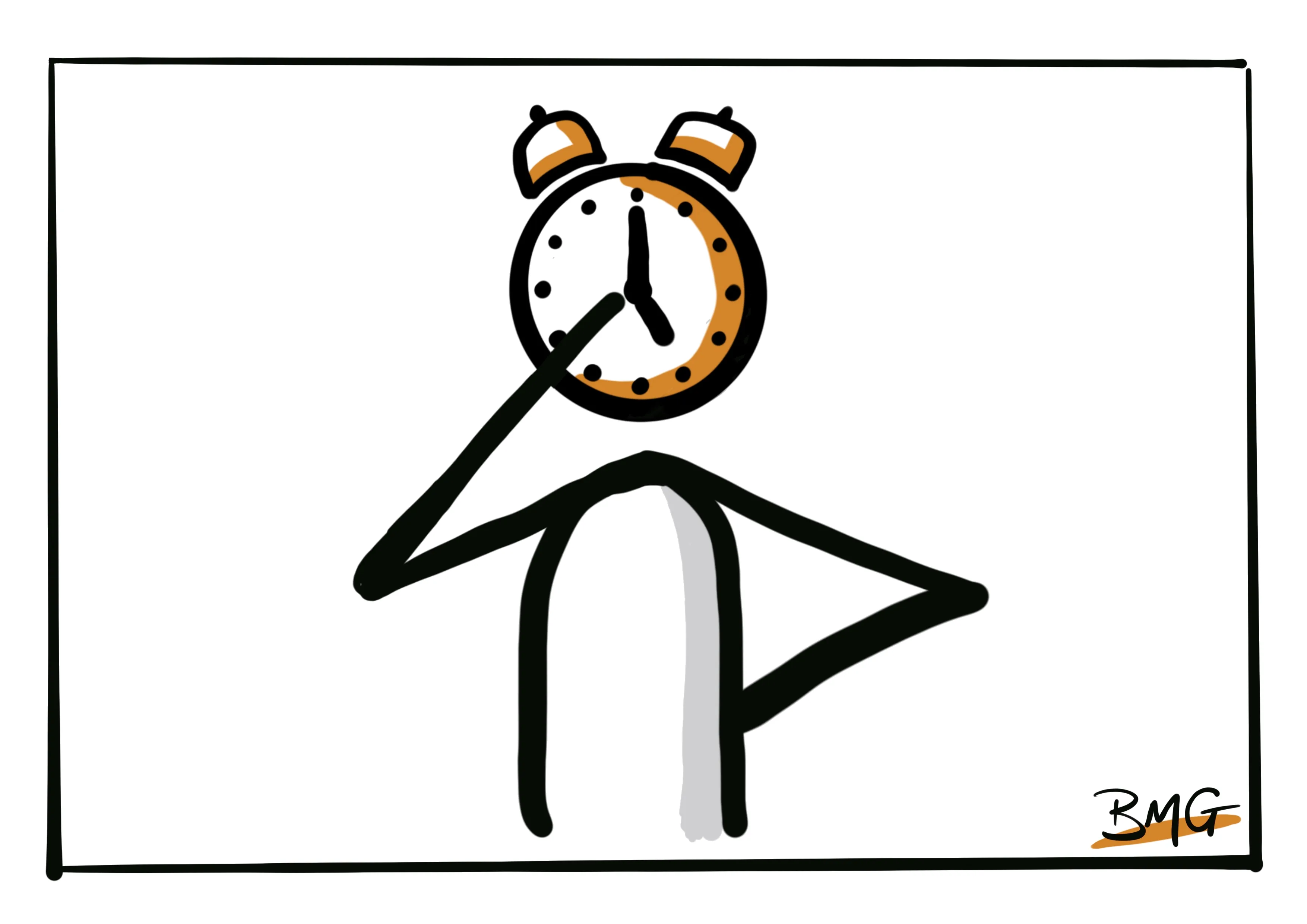
Implementing Time Blocking
Time blocking is a fantastic way to manage your day.
By dividing your time into specific chunks, you can focus better and get more done.
To start:
List your tasks: Write down everything you need to do.
Estimate time: Think about how long each task will take.
Schedule blocks: Put these tasks into your calendar.
Stick to it: Try to follow your schedule without jumping around.
Leave gaps: Add some extra time between tasks for surprises.
Review often: Check what’s working and adjust as needed.
Scheduling Deep Work Sessions
To really boost your productivity, set aside time for deep work. This means focusing on important tasks without interruptions.
More tips:
Choose a quiet spot.
Turn off notifications.
Set a timer for your work sessions.
Take short breaks to recharge.
Adjusting Time Blocks Regularly
It’s important to keep your time blocks flexible.
Regularly check your progress and see if you need to change anything.
Here’s how:
Look at what tasks took longer than expected.
Adjust your schedule based on your energy levels.
Don’t be afraid to shuffle things around if needed.
Time blocking can help you avoid decision fatigue and ensure you focus on what truly matters. By planning your day, you can make the most of your time and energy.
By mastering time blocking, you can harness your productivity and make every minute count!
Leveraging Technology to Boost Productivity
Technology can be a powerful ally in enhancing productivity … if used wisely. From streamlining workflows to blocking distractions, the right tools can make a significant difference in how efficiently you manage your time and tasks.
The following are some effective ways you can try to harness technology for greater productivity:
Task Management Apps: Tools like Reminders, Trello, Asana, or Todoist allow you to organise and prioritise your tasks, breaking them down into manageable steps. These apps provide a clear overview of your workload, helping you stay focused on what’s most important and ensuring nothing slips through the cracks.
Time Tracking Software: Apps like Toggl or Clockify can help you monitor how you’re spending your time. By analysing your work patterns, you can identify time-wasting activities and optimise your schedule to focus on high-value tasks during your peak productivity hours.
Distraction-Blocking Tools: Technology can also help minimise distractions, which is crucial for deep work. Apps like Focus@Will, Freedom, or StayFocusd block access to distracting websites or apps, allowing you to focus entirely on the task at hand.
Automation Tools: Save time by automating repetitive tasks using tools like Zapier or IFTTT (If This Then That). Automating tasks such as email sorting, data entry, or file organisation frees up mental space for more important work.
Collaboration Platforms: Tools like Microsoft Teams, Slack, or Google Workspace enhance collaboration with your team, streamlining communication and document sharing. These platforms ensure that your team stays aligned and projects move forward without unnecessary delays or miscommunication.
Note-Taking and Idea Capture Apps: Apps like Evernote or Notion help you capture ideas, organise notes, and store important information in one place. This helps you quickly retrieve essential details and stay organised, which can be particularly helpful for complex projects.
By carefully selecting and using the right technologies, you can eliminate inefficiencies, maintain focus, and maximise the impact of your work.
However, it’s essential to ensure that technology serves your productivity goals, rather than becoming a source of distraction. Regularly evaluate your tech stack to ensure it supports your workflow and helps you stay on track.
Embracing technology can save time and effort, making your workday more productive. By choosing the right tools, you can streamline your workflows and boost your productivity significantly. Companies that strategically leverage technology tools for productivity see a large increase in overall operational efficiency.
A quick pause
If this is helpful, the free guide goes deeper, and the newsletter brings ideas like this twice a week.
Prioritising Self-Care for Sustained Efficiency
Maintaining high productivity levels requires more than just time management and focus, it’s about taking care of yourself in a holistic way.
Prioritising self-care ensures that your mind and body are functioning optimally, enabling you to manage your time better, tackle demanding tasks, and sustain your energy over the long term.
By integrating self-care into your routine, you create the foundation for ongoing efficiency, resilience, and well-being.
The Importance of Sleep and Nutrition
Aim for 7-9 Hours of Sleep: Sleep is one of the most critical components of cognitive function. Getting sufficient rest each night keeps your brain sharp, improves memory, and enhances your ability to focus. When you’re well-rested, you’re better equipped to handle complex tasks and sustain deep work.
Eat a Balanced Diet: Proper nutrition fuels not just your body but your brain. A diet rich in fruits, vegetables, whole grains, and lean proteins provides the nutrients needed for sustained energy and mental clarity. Regular, balanced meals prevent the dips in energy that can derail your productivity.
Stay Hydrated: It’s easy to overlook, but hydration plays a significant role in cognitive function. Drinking enough water throughout the day improves focus, reduces fatigue, and supports overall brain health. Keep a water bottle nearby during work sessions to stay energised and alert.
Incorporating Exercise into Your Routine
Engage in Physical Activity for 30 Minutes a Day: Regular physical activity boosts your energy levels, sharpens your focus, and enhances your mood. Even a short burst of movement, like a brisk walk or light stretching, can increase blood flow to the brain and improve productivity.
Explore Different Forms of Exercise: Everyone responds differently to various types of exercise, so it’s important to find what works best for you. Whether it’s walking, cycling, yoga, or more intensive workouts, the key is to choose activities that you enjoy, making it easier to stick to a regular routine.
Reduce Stress and Improve Mood: Exercise is not only good for physical health but also for mental well-being. Movement releases endorphins, helping to reduce stress and boost your overall mood. By reducing stress, you create a mental environment more conducive to focus and creativity.
Practising Mindfulness and Meditation
Dedicate a Few Minutes Each Day to Mindfulness or Meditation: Carving out time for mindfulness or meditation helps clear your mind and brings you back to the present moment. These practices promote relaxation, reduce anxiety, and enhance your ability to concentrate on the task at hand.
Reduce Anxiety and Improve Concentration: Regular mindfulness practice trains your brain to stay focused and reduces the mental clutter that can detract from deep work. By managing stress through mindfulness, you become more resilient to distractions and better able to manage your workload.
Leverage Apps or Guided Sessions: If you’re new to mindfulness or meditation, apps like Headspace or Calm, or guided sessions, can be a helpful introduction. Starting with just a few minutes each day can make a noticeable difference in how you approach your work with calmness and clarity.
By making self-care a priority, you lay the groundwork for sustained efficiency and long-term productivity. Incorporating sleep, nutrition, exercise, and mindfulness into your routine ensures that you’re not just working hard, but working smart, while maintaining your overall well-being.
Remember, self-care is not selfish; it’s an investment in your well-being and productivity. By prioritising self-care, you’ll have more energy and focus to tackle your work efficiently.
Harnessing the Power of Deep Work
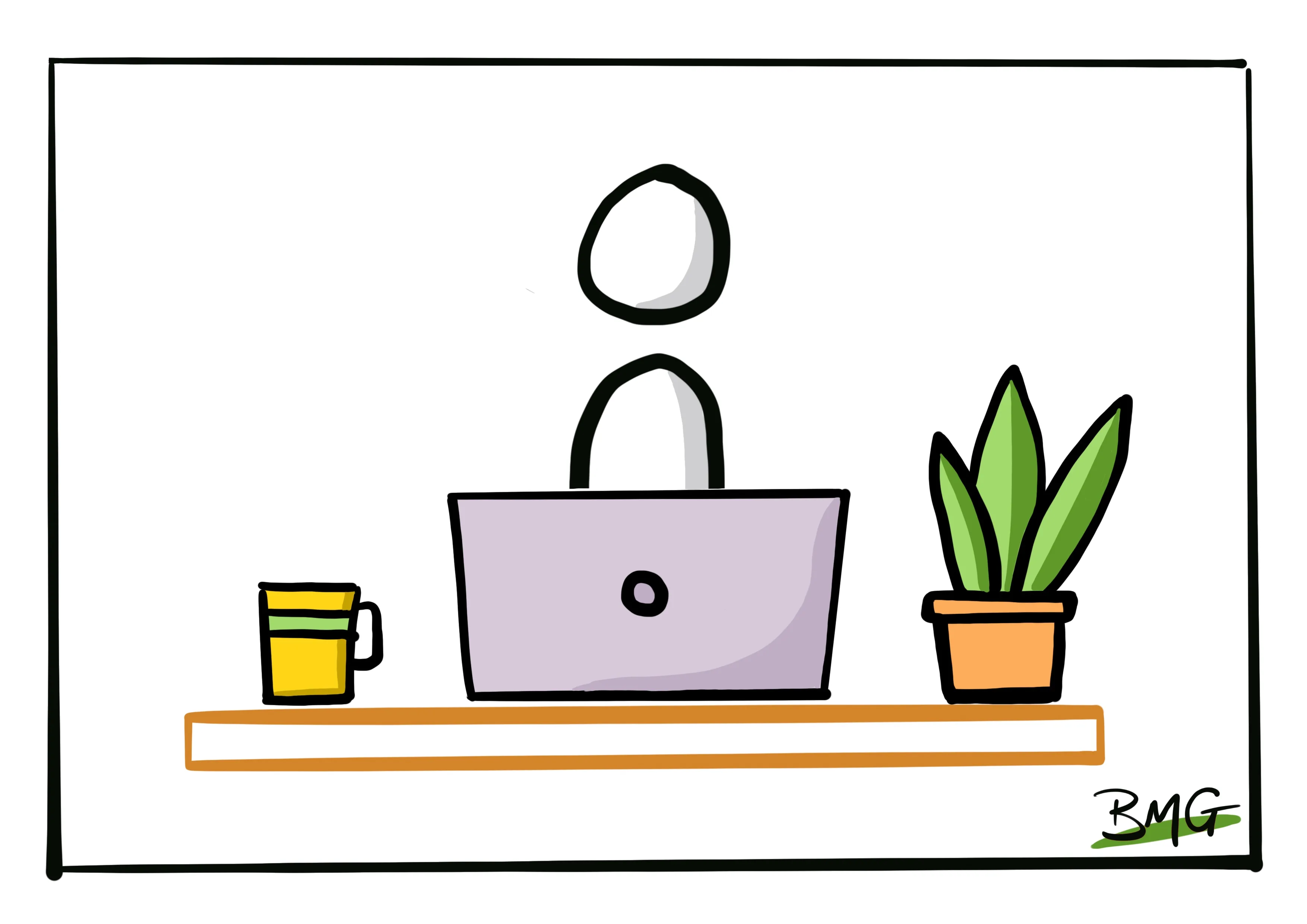
Deep work is the practice of immersing yourself in focused, distraction-free periods of productivity, enabling you to tackle cognitively demanding tasks with greater efficiency and clarity.
In an environment filled with constant notifications, multitasking, and interruptions, deep work is becoming a rare and invaluable skill that can significantly enhance your output.
To harness the power of deep work, try these:
Create an Environment for Focus: Set up a workspace that minimises distractions. Silence your phone, close unnecessary tabs on your computer, and communicate with others that you need uninterrupted time. By eliminating potential disruptions, you create the mental space necessary for deep concentration.
Prioritise High-Impact Tasks: Deep work should be reserved for tasks that require intense cognitive effort,those that lead to substantial progress in your work. These could be complex problem-solving tasks, strategic planning, or creative projects that benefit from extended focus. Identify your high-impact work and commit to deep focus during your peak hours.
Set Time Blocks: Rather than relying on willpower, schedule specific blocks of time for deep work. During these blocks, devote your full attention to one task. Start small, with 60–90 minute sessions, and gradually increase as your focus capacity grows. Knowing that you’ve carved out time for deep work helps prevent procrastination.
Embrace a Ritual: Creating a routine around deep work can help train your brain to switch into focus mode. Whether it’s a certain time of day, a specific place, or a pre-task routine like a short meditation or journaling session, having a ritual signals to your mind that it’s time to concentrate.
Protect Your Energy: Deep work is demanding, and trying to maintain it for long periods can lead to burnout. Use the insights you’ve gained from tracking your productivity patterns to schedule deep work sessions during your peak energy hours, ensuring you are working when your mind is most alert and ready to dive deep.
By incorporating regular deep work sessions into your schedule, you’ll find that you not only increase your productivity but also produce higher-quality outcomes. Mastering deep work is one of the most effective ways to make significant strides in your professional and personal goals.
Regular practise of deep work can lead to producing high-quality results in less time. It’s essential for boosting your productivity in a world full of distractions.
Setting Clear Goals For Deep Work
Define what success looks like for each session.
Break larger tasks into smaller, manageable goals.
Review your goals regularly to stay on track.
Taking Effective Breaks
Use breaks to refresh your mind and body.
Consider a quick walk or some stretching.
Avoid screens during breaks to give your eyes a rest.
By implementing these strategies, you can significantly improve your productivity and make the most of your time.
Remember, deep work is not just about working harder; it’s about working smarter!
Understanding and Using Your Biological Prime Time
One of the most effective ways to maximise your productivity is by aligning your work with your Biological Prime Time (BPT) - the period when your body is naturally at its most alert, focused, and energised.
By understanding and working within these peak hours, you can significantly enhance your ability to complete challenging tasks, improve your focus, and reduce mental fatigue.
Determining Your Biological Prime Time
To find your BPT, you need to track your energy levels and identify when you feel the most productive. Follow the steps above in the Productivity Rhythm section to help you pinpoint these high-energy periods.
Re-evaluating and Adjusting Regularly
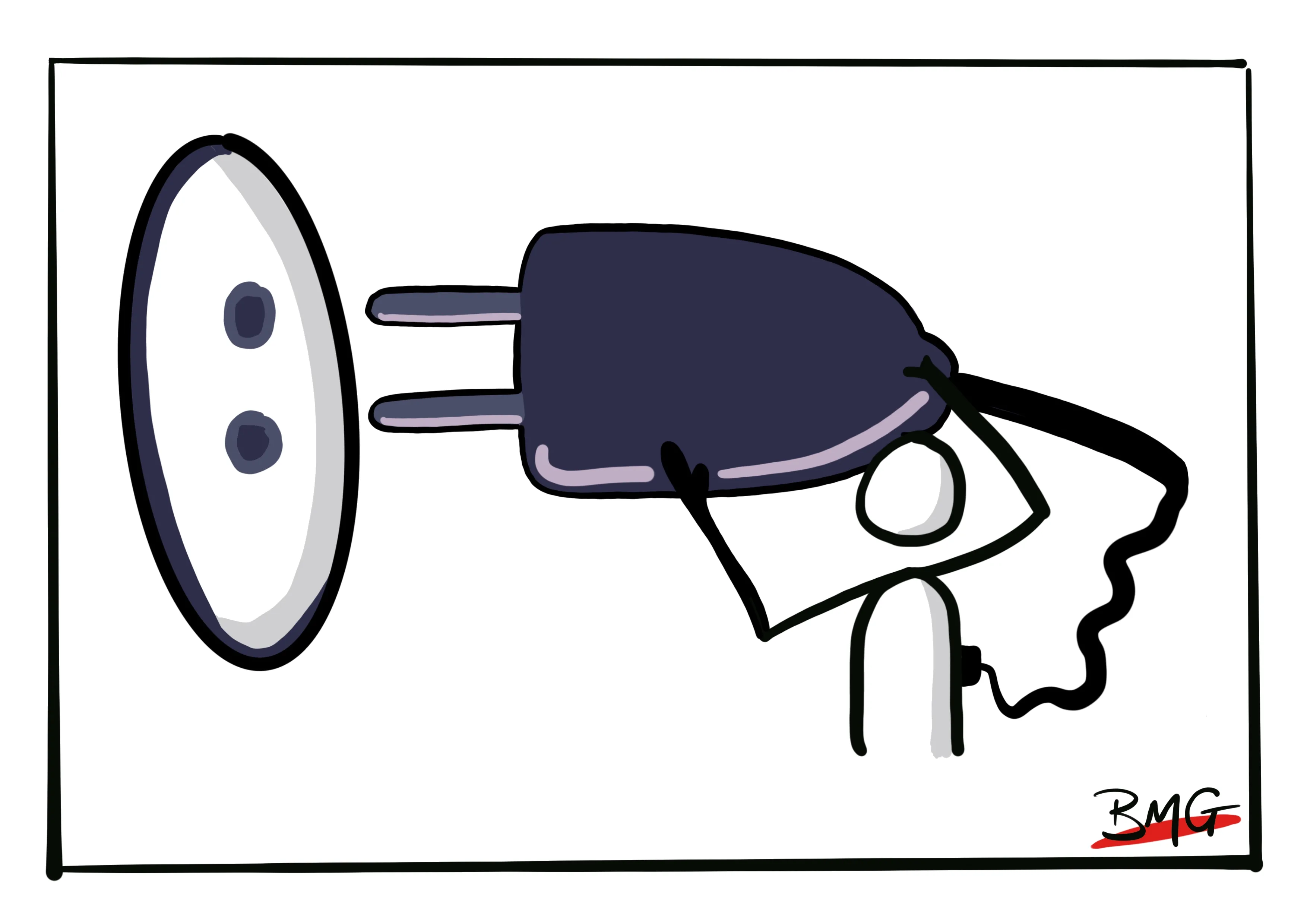
Biological Prime Time isn’t a fixed constant - it can evolve based on various factors, such as changes in sleep patterns, stress levels, or health.
To ensure you’re continually working at your most efficient, it’s essential to reassess your energy levels periodically:
Periodically Reassess Your Energy Levels: Every few months, take some time to track your energy again, just as you did initially. This helps you stay in tune with your body’s changing rhythms.
Adjust Your Schedule: As your BPT shifts, adjust your work schedule to stay aligned with your new peak times. This flexibility ensures you continue to make the most of your high-energy periods, maintaining both productivity and well-being.
Stay Open to Changes in Productivity Patterns: Sometimes external factors, such as workload changes or personal responsibilities, can impact your productivity. Staying open and adaptable will help you maintain a balance between your natural energy flow and external demands.
By mastering your Biological Prime Time and regularly adjusting your work to match your body’s rhythms, you can create a routine that plays to your strengths.
These methods allow you to work smarter, not harder, boosting your productivity while making your work feel more enjoyable and sustainable.
Final Thoughts on Mastering Your Productivity
In the end, mastering your productivity is not just about putting in more hours - it’s about aligning your work with your natural rhythms and learning to work with, rather than against, your body’s energy patterns.
By identifying when you feel most energetic and focused, you can strategically plan your most important and demanding tasks for those peak periods. This approach allows you to not only complete more work but also to maintain a higher level of performance throughout the day.
Remember, productivity is as much about balance as it is about focus. It’s not simply a matter of working harder, but of working smarter.
Incorporate regular breaks to prevent burnout, keep your workspace organised to minimise distractions, and always prioritise your physical and mental well-being. Small self-care habits, such as staying hydrated, eating well, and getting enough sleep, will support your efforts to stay sharp and productive.
By embracing your unique productivity patterns and making intentional adjustments to your daily routine, you’ll find that not only does your efficiency soar, but the work itself becomes more enjoyable.
So, take control of your time, harness your natural rhythms, and discover how much more you can achieve when you work in harmony with your body and mind.
Remember, the path to extraordinary is walked with a thousand small steps, you’re doing great!
Want to learn more? Let's grow together!
Frequently Asked Questions
What are peak productivity hours?
Peak productivity hours are the periods during the day when you feel most alert, focused, and energised. These times vary from person to person, so it’s essential to track your energy levels and identify when you are naturally at your best.
How can I track my energy levels?
You can track your energy levels by keeping a simple log or using an app. Throughout the day, record how you feel at different intervals. After a week, review your notes to see when you’re most energetic and focused, helping you pinpoint your peak productivity times.
What is time blocking?
Time blocking is a productivity technique where you divide your day into dedicated chunks of time, each assigned to specific tasks or types of work. This method helps you stay organised and focused, ensuring that key tasks are completed during your peak hours.
How can technology help with productivity?
Technology offers a range of tools that can support your productivity. Apps for task management, time tracking, and distraction-blocking help you stay organised, on task, and focused. Additionally, tools like calendars and project management software can streamline your workflow.
Why is self-care important for productivity?
Self-care plays a critical role in maintaining consistent productivity. Adequate sleep, exercise, hydration, and a balanced diet ensure that your mind and body are functioning at their best. When you prioritise self-care, you create the physical and mental conditions needed for sustained focus and efficiency.
What is biological prime time?
Biological prime time refers to the specific times of day when your body is naturally more alert, focused, and capable of deep work. Understanding and working during your Biological Prime Time allows you to maximise productivity by aligning your tasks with your natural rhythms.
How can I identify my biological prime time?
To find your biological prime time, track your energy levels throughout the day for at least a week. Rate your focus and alertness at different times of the day using a simple scale. After reviewing your log, you should notice patterns that reveal when you’re naturally most productive. Once identified, you can schedule your most important tasks during these peak hours.
Why is deep work important for productivity?
Deep work involves uninterrupted focus on cognitively demanding tasks. Where there are constant distractions, deep work is essential for producing high-quality output in less time. By scheduling periods of deep work during your peak productivity hours, you can accomplish more in less time, improve your focus, and make significant progress on key tasks.

Barry Marshall-Graham
Executive coach and leadership advisor
Get the Difficult Conversations Guide
A practical resource for leaders who want to say the thing that needs saying, without burning bridges or avoiding the moment.
Keep reading
13 March 2026
The Weight of Unshared Doubt
Why senior leadership feels lonelier as you rise, and why confidence is often just unshared doubt.
9 March 2026
Why Your Best Advice is the Problem
Why the rush to fix others is actually a specific insecurity, and how to stop.
6 March 2026
The Weight in Your Voice
Your words carry more weight than you realise. Calm authority is often a matter of pace, tone, and the courage to name what matters.

2 March 2026
The Quiet Drift You Inherit
Inherited teams rarely collapse in a moment. They drift. Resetting standards isn't about being harsh, it's about clarity, dignity, and trust.
27 February 2026
When Everyone Owns It
Shared ownership sounds healthy, but when everyone owns a decision, nobody owns the decision. Clarity needs a single accountable owner.
23 February 2026
The Private Ledger of Leadership
Senior leaders carry a private ledger of risks, promises, and people. Naming that inner load isn't weakness, it's how you lead without breaking.
20 February 2026
The Avoided Conversation Is a Decision
The conversation you're avoiding isn't neutral. It's a decision to let the current pattern continue, and that decision shapes the culture.

16 February 2026
Calm Authority in Tense Rooms
Authority isn't volume or force. It's the ability to hold a tense room steady, name what matters, and set a clear boundary without heat.

13 February 2026
The First Small Tolerance
Standards rarely collapse in a moment. They slip through the first small tolerance you let pass, then the next one feels easier.

9 February 2026
The Decision Vacuum
When decision rights are unclear, every meeting becomes a referendum. Clarity is less about answers and more about who owns the call.
