“No” is a Complete Sentence
24 January 2025
Why The Key to Productivity and Purpose May Be a Simple Two Letter Word
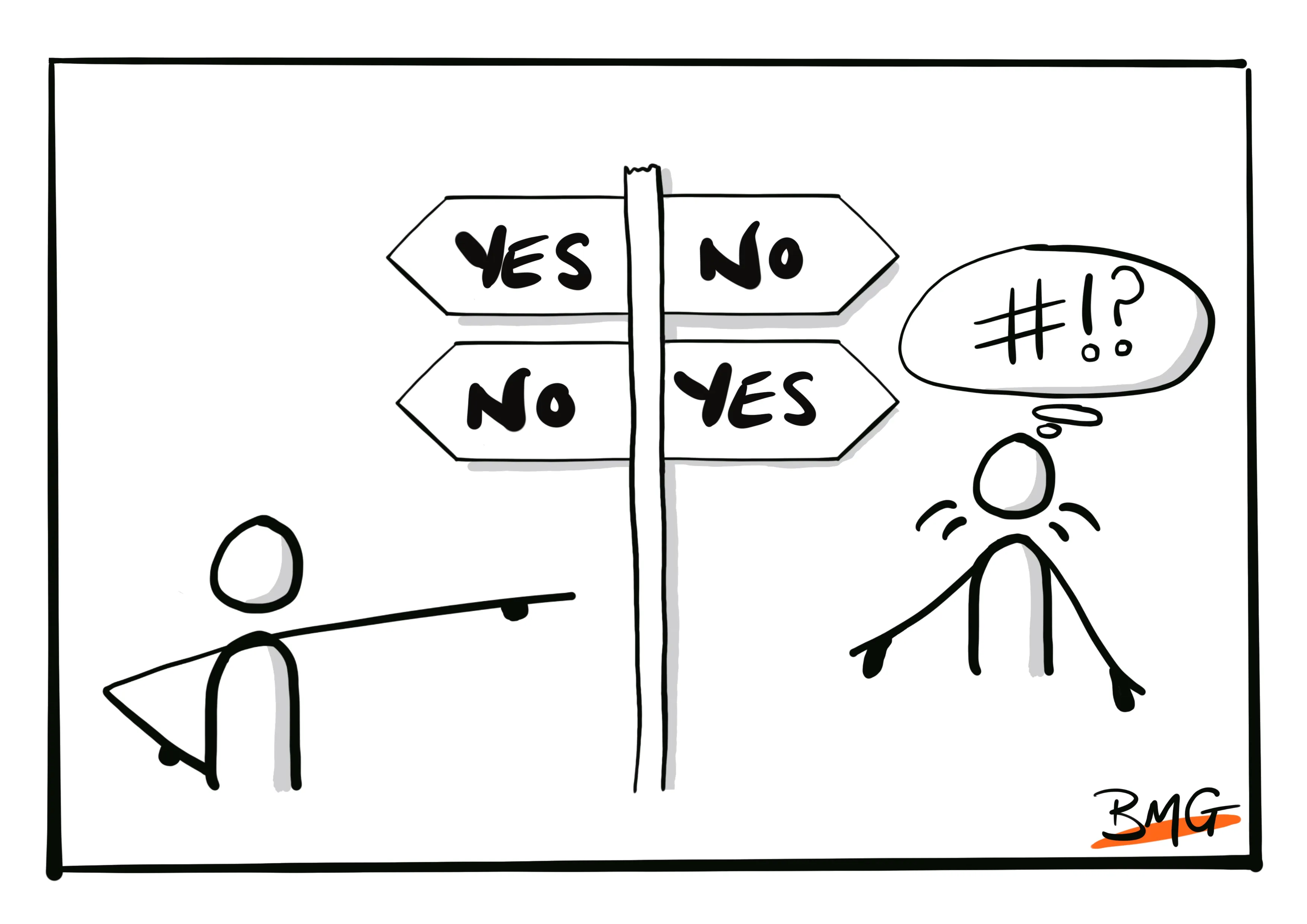
More and more, life demands more from us … more time, more effort, more yeses. The word “no” often feels taboo, sometimes frowned upon and very often associated with negativity and a closed mindset. We’re conditioned to believe that saying no is rude, selfish, or even unprofessional. Yet, when it comes to productivity and maintaining focus on what truly matters, “no” is not just acceptable … it’s essential.
Saying no, without excuses or over elaborate explanations, is an act of clarity and self-respect. It’s a way of safeguarding your time, energy, and priorities.
In the context of productivity, “no” is not a door that shuts out opportunities, it’s the boundary that keeps you aligned with your goals.
The Myth of the “Yes” Culture
From an early age, many of us are conditioned to believe that saying yes is the key to success and connection. It’s a lesson reinforced in countless ways: be agreeable, be helpful, seize every opportunity, and never turn down a chance to prove your worth.
On the surface, this mindset seems positive. Saying yes opens doors, builds relationships, and signals a willingness to contribute. But beneath this cultural norm lies a dangerous myth … the idea that saying yes to everything is the hallmark of ambition and productivity.
In reality, this mindset often leads to overwhelm, burnout, and a disconnection from our own priorities.
What is the “Yes” Culture?
The “yes” culture is the pervasive belief that success is achieved by agreeing to every opportunity, task, or request that comes your way. I feel pretty strongly that it’s rooted in the fear of missing out (FOMO), the modern social media fuelled desire to be liked, and the pressure to always appear productive or indispensable.
This culture encourages overcommitting, often at the expense of personal well-being, strategic focus, and long-term productivity.
It glorifies being busy as a badge of honour, equating constant activity with achievement. But the reality is that this relentless cycle of saying yes can have significant consequences.
The Cost of Saying Yes Too Often
While saying yes can lead to short-term gains (like being seen as dependable or gaining visibility) it often comes with hidden costs:
Overwhelm and Burnout
Constantly saying yes stretches your time, energy, and attention across too many tasks. It leaves little room for rest, reflection, or creativity. Over time, this overload leads to exhaustion, decreased productivity, and a sense of being perpetually behind.
Loss of Focus
Every yes diverts your focus from what truly matters. In the workplace, this might mean agreeing to attend every meeting, take on projects outside your scope, or accommodate others’ priorities at the expense of your own. Over time, these distractions erode your ability to concentrate on the work that aligns with your goals.
Sacrificing Personal Boundaries
The “yes” culture often blurs the lines between work and personal life. Saying yes to additional responsibilities can mean sacrificing time for yourself, your family, or your passions. This lack of balance chips away at your mental and emotional well-being.
Dilution of Quality
When you overcommit, the quality of your work often suffers. By spreading yourself too thin, you risk delivering mediocre results, which can harm your reputation and hinder your long-term success.
Erosion of Self-Worth
Saying yes out of fear or obligation can lead to resentment and a diminished sense of self. Over time, it becomes harder to distinguish between what you want and what others expect from you.
How the “Yes” Culture Manifests
In the workplace, the “yes” culture can take many forms:
Agreeing to Every Meeting Invite
Even when the meeting doesn’t require your input or align with your goals, you attend out of obligation. These unnecessary commitments drain time and mental energy.
Taking on Extra Tasks
You say yes to tasks outside your agreed scope, thinking it will showcase your initiative. Instead, it adds to your workload without necessarily advancing your goals.
Accepting Misaligned Projects
You agree to projects that don’t align with your personal or strategic objectives, hoping to be seen as a team player. This diverts your focus from work that truly matters.
Sacrificing Your Personal Time
Saying yes to last-minute requests, after-hours emails, or weekend tasks can feel like you’re going the extra mile. In reality, it’s an erosion of the boundaries that protect your personal life.
A quick pause
If this is helpful, the free guide goes deeper, and the newsletter brings ideas like this twice a week.
Breaking Free from the Myth
The truth is, saying yes to everything doesn’t make you more productive or successful. It makes you reactive, scattered, and often disengaged from what truly matters.
The most effective and fulfilled people aren’t those who say yes to every opportunity … they’re the ones who are intentional about their yeses and confident in their nos.
The power of saying no lies in its ability to protect your time, energy, and focus. It’s not a rejection of others but an affirmation of your priorities. In the context of productivity, no is a tool for alignment and purpose. It’s a way of creating space for what truly matters and stepping off the treadmill of busyness for its own sake.
By recognising the myth of the “yes” culture for what it is, we can start to redefine success - not as how much we do, but how much of what we do truly aligns with our values and goals.
The Fear of Saying No
For many, saying no is uncomfortable. It can trigger feelings of guilt, fear of conflict, or worry about disappointing others. However, these feelings often stem from misconceptions about what no means.
Saying no doesn’t make you unkind or unhelpful. It doesn’t mean rejecting a person, it simply means rejecting a specific request. When framed this way, no becomes an act of honesty and respect, both for yourself and for others.
How to Say No Effectively
Keep It Simple
“No” is a complete sentence, and it doesn’t require elaborate justification. A polite and firm response, such as “I can’t commit to this right now,” is often enough.
Be Honest, But Kind
If you feel compelled to offer an explanation, keep it brief and focus on your priorities. For example: “I’m focusing on a few key projects at the moment, so I can’t take this on.”
Offer Alternatives (If Appropriate)
If you genuinely want to help but can’t commit, suggest an alternative. For example: “I can’t attend that meeting, but I’m happy to review the notes afterward.”
Practise Confidence
The more you practise saying no, the more natural it will feel. Start with smaller requests and gradually work up to more challenging situations.
Remind Yourself of Your Priorities
Every time you say no to something misaligned with your goals, you’re saying yes to what matters most. Let that be your guiding principle.
The Productivity Power of No
Saying no is an act of empowerment.
It frees you to dedicate your time and energy to the things that truly align with your values and goals. In the context of productivity, no is the gatekeeper that protects your focus and purpose.
The most productive people aren’t those who say yes to everything … they’re the ones who say no to distractions and misaligned opportunities.
They recognise that their time is finite and choose to spend it wisely.
A Final Thought
The next time you feel pressured to say yes, pause and ask yourself:
Does this align with my goals? If the answer is no, let that be your answer.
No explanations.
No apologies.
Just no.
The ability to say no is a superpower. It’s a reminder to yourself and others that your time is valuable, your focus is finite, and your priorities matter.
Saying no isn’t just acceptable - it’s essential. It’s the shortest, simplest way to protect your path to productivity and purpose.
Remember, the path to extraordinary is walked with a thousand small steps, you’re doing great!
Your Small Steps
What is the “yes” culture, and why is it a problem?
The “yes” culture is the societal or workplace norm of saying yes to every opportunity, task, or request, often out of fear of missing out, a desire to please, or cultural conditioning. While it might seem like a positive trait, it often leads to overwhelm, burnout, and a loss of focus on priorities.
Isn’t saying yes to opportunities essential for growth?
Yes, but only when those opportunities align with your goals and capacity. Saying yes indiscriminately dilutes your efforts and can hinder meaningful progress. Growth comes from intentional yeses, not from agreeing to everything.
Why do people struggle to say no?
Many people fear conflict, rejection, or being perceived as unhelpful or uncooperative. Cultural and workplace pressures often reinforce the idea that saying yes is necessary for success, making it difficult to prioritise personal boundaries.
How can I identify when to say no?
Ask yourself these questions:
Does this align with my personal or professional goals?
Do I have the capacity to take this on without sacrificing quality or well-being?
Will this contribute to my long-term growth or priorities?
If the answer is no, it’s likely time to say no.
How do I say no without damaging relationships or my reputation?
Be polite but firm.
For example:
“I appreciate the opportunity, but I can’t commit to this right now.”
“I’d love to help, but I need to prioritise my current responsibilities.”
Offering alternatives, when appropriate, can also soften the impact.
What are the signs that I’m saying yes too often?
Common signs include:
Feeling constantly overwhelmed or burned out.
Struggling to complete your own tasks due to others’ demands.
Losing focus on your goals or feeling disengaged.
Resentment towards those you’re helping.
What are the consequences of saying yes to everything?
Overcommitting can lead to:
Burnout and exhaustion.
Reduced quality of work due to stretched capacity.
Neglected personal and professional priorities.
Strained relationships from unmet expectations or overextension.
How can I start breaking free from the “yes” culture?
Begin with small, low-stakes nos to build confidence.
Reflect on your goals and use them as a filter for decision-making.
Practice clear and polite communication when declining requests.
Regularly assess your workload and adjust your commitments as needed.
How does saying no improve productivity?
Saying no allows you to focus your time and energy on tasks that align with your goals and priorities. By eliminating distractions and unnecessary commitments, you can achieve higher-quality outcomes and work more efficiently.
Isn’t saying no selfish?
Not at all. Saying no is an act of self-respect and prioritisation. It ensures you can give your best to the commitments you do accept. By maintaining boundaries, you’re also modelling healthy behaviour for others and fostering a culture of respect and focus.

Barry Marshall-Graham
Executive coach and leadership advisor
Get the Difficult Conversations Guide
A practical resource for leaders who want to say the thing that needs saying, without burning bridges or avoiding the moment.
Keep reading
13 March 2026
The Weight of Unshared Doubt
Why senior leadership feels lonelier as you rise, and why confidence is often just unshared doubt.
9 March 2026
Why Your Best Advice is the Problem
Why the rush to fix others is actually a specific insecurity, and how to stop.
6 March 2026
The Weight in Your Voice
Your words carry more weight than you realise. Calm authority is often a matter of pace, tone, and the courage to name what matters.

2 March 2026
The Quiet Drift You Inherit
Inherited teams rarely collapse in a moment. They drift. Resetting standards isn't about being harsh, it's about clarity, dignity, and trust.
27 February 2026
When Everyone Owns It
Shared ownership sounds healthy, but when everyone owns a decision, nobody owns the decision. Clarity needs a single accountable owner.
23 February 2026
The Private Ledger of Leadership
Senior leaders carry a private ledger of risks, promises, and people. Naming that inner load isn't weakness, it's how you lead without breaking.
20 February 2026
The Avoided Conversation Is a Decision
The conversation you're avoiding isn't neutral. It's a decision to let the current pattern continue, and that decision shapes the culture.

16 February 2026
Calm Authority in Tense Rooms
Authority isn't volume or force. It's the ability to hold a tense room steady, name what matters, and set a clear boundary without heat.

13 February 2026
The First Small Tolerance
Standards rarely collapse in a moment. They slip through the first small tolerance you let pass, then the next one feels easier.

9 February 2026
The Decision Vacuum
When decision rights are unclear, every meeting becomes a referendum. Clarity is less about answers and more about who owns the call.
