Self-Worth vs Confidence: Unlocking the True Power Within
20 September 2024
Understanding the Key Differences and Why Valuing Yourself Matters More Than Simply Believing in Yourself

Understanding the difference between self-worth and confidence is essential for personal growth. While they are often used interchangeably, they are distinct concepts.
Self-worth is about recognising your inherent value, while confidence is about believing in your abilities.
This article delves into these ideas and offers practical advice to help you build both.
Key Takeaways
Self-worth is the foundation of inner strength and involves recognising your inherent value.
Confidence is influenced by self-worth and is the belief in your abilities.
Low self-worth can negatively impact mental health and well-being.
Practical steps like self-reflection, setting boundaries, and celebrating achievements can enhance self-worth.
Healthy self-worth positively affects relationships and professional success.
Understanding Self-Worth: The Foundation of Inner Strength
Defining Self-Worth
Self-worth is about recognising your inherent value as a person.
It’s not based on your achievements or what others think of you.
It’s about knowing you are valuable just as you are.
Self-worth stems from a deep internal belief that your worth isn’t something to be earned or proven, it’s intrinsic.
When grounded in self-worth, you don’t need external validation to feel secure or worthy. Instead, you operate from a place of inner stability, where you understand that no success, failure, or opinion can diminish your value.
Self-worth shapes how you treat yourself and others, creating a foundation of respect, kindness, and authenticity in your life.
Self-worth is so vital to your happiness. If you don’t feel good about you, it’s hard to feel good about anything else.
The Importance of Self-Worth in Daily Life
When you have a strong sense of self-worth, it becomes the foundation for how you navigate your daily experiences. You’re more likely to make choices that align with your true values and prioritise your well-being, rather than seeking approval from others.
This leads to setting healthier boundaries, whether in personal relationships, at work, or in social situations. You become less likely to tolerate disrespect or mistreatment, and more inclined to surround yourself with supportive, positive influences.
The decisions you make are rooted in self-respect, allowing you to create a life that feels authentic and fulfilling.
In addition, a deep sense of self-worth provides resilience in the face of challenges.
Instead of viewing setbacks or criticism as a reflection of your value, you approach them with a confident mindset, knowing that these external events don’t define who you are.
This inner strength allows you to bounce back rapidly from adversity, take constructive feedback without internalising it, and face uncertainty with greater courage.
Ultimately, self-worth embodies emotional stability, helps you maintain balance in difficult situations, and nurtures a more compassionate and empowered version of yourself.
Common Misconceptions About Self-Worth
Many people think of self-worth in the same way as self-esteem or confidence, but they are different.
Self-worth is about your intrinsic value, while self-esteem is how you feel about yourself based on your actions.
Confidence is about your belief in your abilities.
Understanding these differences is key to improving your self-worth.
Improving self-worth involves embracing your emotions, changing your self-talk, validating yourself, being kind to yourself, and celebrating your strengths.
The Interplay Between Self-Worth and Confidence
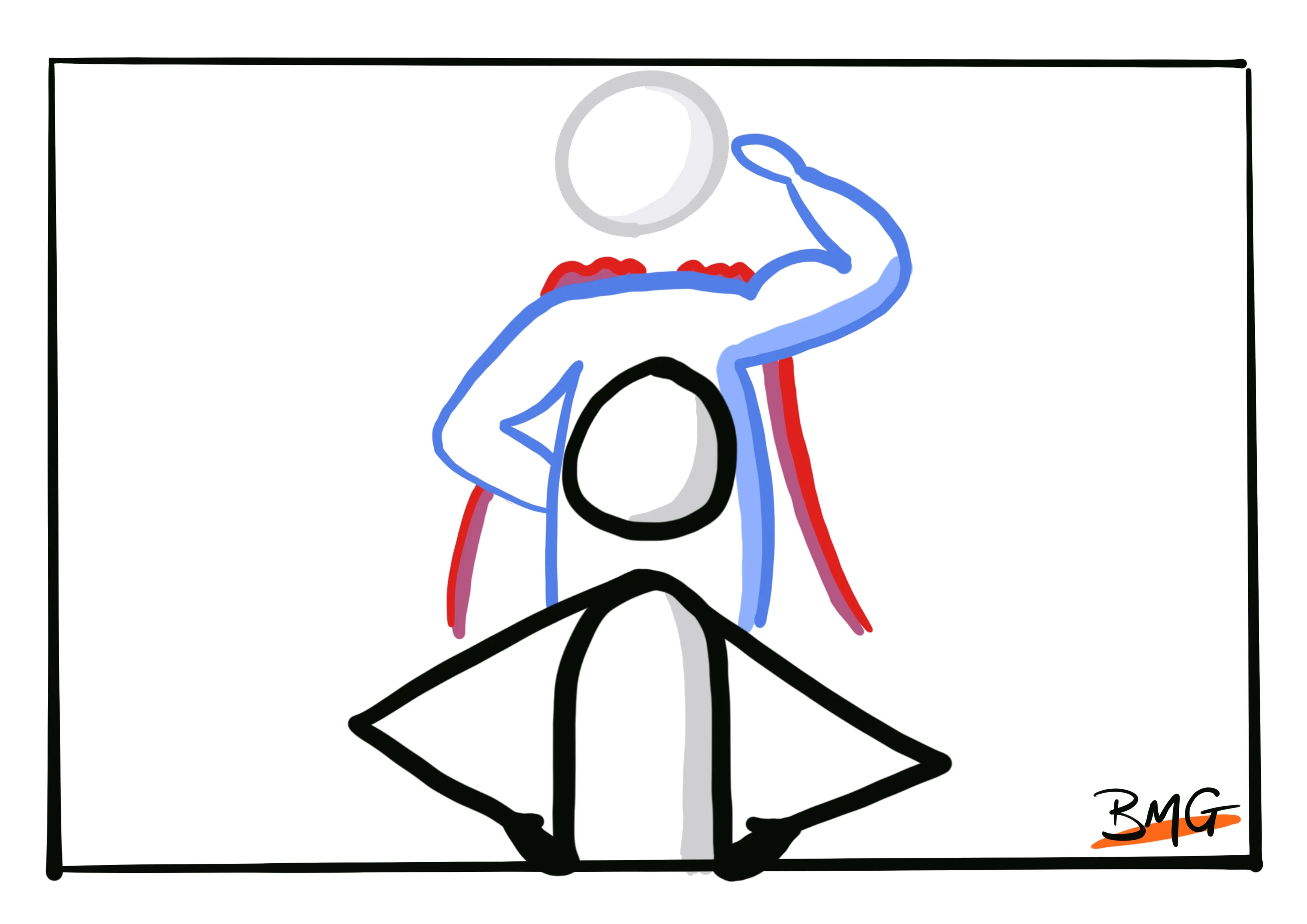
How Self-Worth Influences Confidence
Self-worth is the belief that you are valuable and deserving of respect, regardless of your achievements or the opinions of others.
When your sense of self-worth is strong, it serves as an internal anchor, allowing you to approach life with a sense of assurance.
This intrinsic belief in your own value creates confidence, as you’re not constantly seeking external validation to feel capable or worthy. Instead, your confidence grows from within, allowing you to take on new challenges, pursue opportunities, and face uncertainty with a sense of security, knowing that your worth remains intact no matter the outcome.
In turn, this connection between self-worth and confidence creates a positive feedback loop. As you take risks and engage in new experiences, your confidence builds, reinforcing your sense of self-worth.
Even when you encounter setbacks, a strong sense of self-worth prevents those failures from shaking your core belief in yourself. You’re able to separate your inherent value from temporary obstacles, viewing them as opportunities to grow rather than threats to your self-esteem.
This relationship between self-worth and confidence allows you to live with greater authenticity, resilience, and courage.
Building Confidence Through Self-Worth
To build confidence, start by nurturing your self-worth. Here are five steps to help you strengthen both:
1. Acknowledge your strengths: Make a list of your skills, talents, and qualities. Regularly reminding yourself of your unique capabilities helps reinforce your sense of worth and boosts your confidence in applying them.
2. Set realistic goals: Break your larger goals into smaller, achievable steps. Accomplishing these manageable milestones gives you a sense of progress and reinforces the belief that you’re capable, helping to steadily build your confidence.
3. Practice self-care: Taking care of your physical and mental health is essential for maintaining self-worth. Prioritising sleep, nutrition, exercise, and mindfulness not only supports your well-being but also sends a subconscious message to yourself that you are worth investing in.
4. Challenge negative self-talk: Pay attention to your inner dialogue and reframe any critical or self-defeating thoughts. Replacing them with positive affirmations or constructive feedback can shift your mindset and reinforce your self-worth.
5. Surround yourself with supportive people: The company you keep significantly impacts your self-perception. Surrounding yourself with encouraging, positive people who respect and value you helps to mirror and reinforce your own self-worth, naturally boosting your confidence.
When you focus on your self-worth, you naturally become more confident. This confidence then helps you to feel more capable and ready to face life's challenges.
A quick pause
If this is helpful, the free guide goes deeper, and the newsletter brings ideas like this twice a week.
An Example of Self-Worth and Confidence
Consider someone who feels they can’t do anything right, constantly doubting their abilities and questioning their value.
This self-doubt affects their confidence in every area of life - whether it’s at work, in social situations, or when pursuing personal goals. They may avoid challenges, fear failure, and rely heavily on others for validation, leading to a cycle of insecurity and low confidence.
By intentionally working on their self-worth, and using the five steps above, they start to shift their perspective. They begin to recognise their inherent value, separate from external achievements or approval.
This may involve identifying their strengths, practicing self-compassion, and challenging the negative beliefs they’ve internalised over time. As they build a healthier sense of self-worth, they start to take on challenges with less fear of failure, understanding that mistakes don’t diminish their worth.
Over time, this self-acceptance leads to a natural increase in confidence. They feel more capable at work, more secure in relationships, and more driven to pursue personal growth.
This transformation highlights how deeply self-worth and confidence are intertwined. When you believe in your own value, confidence naturally follows, empowering you to embrace opportunities and navigate life with greater resilience and assurance.
Self-Worth in the Workplace

The Impact of Self-Worth on Professional Success
Believing in your self-worth can significantly impact your professional success.
When you value yourself, you’re more likely to step outside of your comfort zone, take on new challenges, and embrace opportunities for growth with greater confidence.
This mindset helps you to voice your ideas openly, contribute meaningfully in meetings, and advocate for your own career development, whether that’s pursuing leadership roles, asking for promotions, or seeking out professional development.
People with high self-worth tend to build stronger, more positive relationships with colleagues. They approach interactions with a sense of respect for themselves and others, creating an environment of mutual trust and collaboration.
This inner confidence also makes them more resilient when facing challenges, enabling them to handle criticism constructively and navigate workplace setbacks with a solution-focused attitude. Feeling secure in their value, they are less likely to internalise failures and more likely to persist onward with determination.
Moreover, high self-worth has a ripple effect on the workplace culture.
Employees and teams who believe in their own value contribute to a more creative and innovative environment, as they feel comfortable sharing new ideas without fear of judgment.
This openness cultivates a culture of collaboration, where diverse perspectives are valued, leading to greater team cohesion and a higher likelihood of breakthrough solutions.
Ultimately, when individuals value themselves, it elevates both their personal success and the overall success and innovation within their teams and organisations.
Cultivating a Positive Work Environment
Creating a positive work environment is essential for nurturing self-worth among employees.
A culture that values, supports, and uplifts individuals helps boost both personal well-being and team performance.
Here are five key strategies for cultivating such an environment:
1. Recognise and celebrate individual achievements: Regularly acknowledging the hard work, contributions, and successes of employees reinforces their sense of self-worth. Whether through public recognition, team shout-outs, or personal thank-yous, celebrating achievements helps teams feel valued and appreciated, fostering motivation and loyalty.
2. Provide constructive feedback: Offering feedback is crucial for growth, but it’s important to deliver it in a way that builds rather than diminishes self-worth. Focus on strengths and areas for improvement, providing actionable steps while reinforcing the individual’s inherent value. This approach boosts confidence and encourages continued development without leaving employees feeling discouraged.
3. Encourage open communication: Creating a workplace where employees feel comfortable sharing their ideas, feedback, and concerns is vital to nurturing self-worth. Open communication fosters trust and psychological safety, allowing employees to express themselves without fear of judgment. When employees know their voices are heard, they feel respected and more confident in contributing to the team.
4. Promote work-life balance: Supporting employees in maintaining a healthy work-life balance shows that the business values their well-being beyond just productivity. Encouraging flexible schedules, promoting wellness initiatives, and respecting personal time all contribute to employees feeling cared for, which enhances their sense of worth and prevents burnout.
5. Create opportunities for growth and development: Providing pathways for personal and professional development, such as training, mentorship, or leadership opportunities, signals that the business believes in the potential of its teams. This investment in their future not only boosts confidence but also strengthens their self-worth, as they see themselves as capable of growth and progress.
Conclusion
In the end, understanding the difference between self-worth and confidence is key to unlocking your true power.
Self-worth is about knowing you are valuable just as you are, while confidence is about trusting in your abilities.
Both are important and work together to help you live a happier and more fulfilling life.
Remember, it's okay to make mistakes and learn from them. Believe in yourself, set healthy boundaries, and don't be afraid to ask for help when you need it. By nurturing both your self-worth and confidence, you can face life's challenges with a positive outlook and achieve your goals.
Remember, the path to extraordinary is walked with a thousand small steps, you’re doing great!
Want to learn more? Let's grow together!
Your Small Steps
What is self-worth?
Self-worth is the belief that you are valuable and deserving of love and respect, no matter your achievements or failures.
How does self-worth differ from confidence?
Self-worth is about feeling valuable as a person, while confidence is about trusting your abilities and skills.
Can low self-worth affect my mental health?
Yes, low self-worth can lead to issues like anxiety, depression, and stress. It’s important to recognise and address these feelings then work to rebuild your sense of value.
What are some signs of low self-worth?
Signs include constantly doubting yourself, feeling undeserving of good things, and having trouble setting boundaries, perhaps consistently seeking approval from others.
How can I improve my self-worth?
You can improve self-worth by practising self-reflection, setting clear boundaries, prioritising self-care, and celebrating your achievements.
How does self-worth impact relationships?
When you value yourself, you’re more likely to build healthier relationships based on mutual respect, clear communication, and strong boundaries, rather than seeking validation from others.
Can self-worth improve over time?
Absolutely. By consistently practicing self-compassion, surrounding yourself with supportive people, and focusing on personal growth, you can strengthen your sense of self-worth and create lasting positive change.

Barry Marshall-Graham
Executive coach and leadership advisor
Get the Difficult Conversations Guide
A practical resource for leaders who want to say the thing that needs saying, without burning bridges or avoiding the moment.
Keep reading
13 March 2026
The Weight of Unshared Doubt
Why senior leadership feels lonelier as you rise, and why confidence is often just unshared doubt.

9 March 2026
Why Your Best Advice is the Problem
Why the rush to fix others is actually a specific insecurity, and how to stop.

6 March 2026
The Weight in Your Voice
Your words carry more weight than you realise. Calm authority is often a matter of pace, tone, and the courage to name what matters.

2 March 2026
The Quiet Drift You Inherit
Inherited teams rarely collapse in a moment. They drift. Resetting standards isn't about being harsh, it's about clarity, dignity, and trust.

27 February 2026
When Everyone Owns It
Shared ownership sounds healthy, but when everyone owns a decision, nobody owns the decision. Clarity needs a single accountable owner.

23 February 2026
The Private Ledger of Leadership
Senior leaders carry a private ledger of risks, promises, and people. Naming that inner load isn't weakness, it's how you lead without breaking.

20 February 2026
The Avoided Conversation Is a Decision
The conversation you're avoiding isn't neutral. It's a decision to let the current pattern continue, and that decision shapes the culture.

16 February 2026
Calm Authority in Tense Rooms
Authority isn't volume or force. It's the ability to hold a tense room steady, name what matters, and set a clear boundary without heat.

13 February 2026
The First Small Tolerance
Standards rarely collapse in a moment. They slip through the first small tolerance you let pass, then the next one feels easier.

9 February 2026
The Decision Vacuum
When decision rights are unclear, every meeting becomes a referendum. Clarity is less about answers and more about who owns the call.
