Stillness is a Skill
14 October 2025
In a world addicted to constant motion, stillness has power.
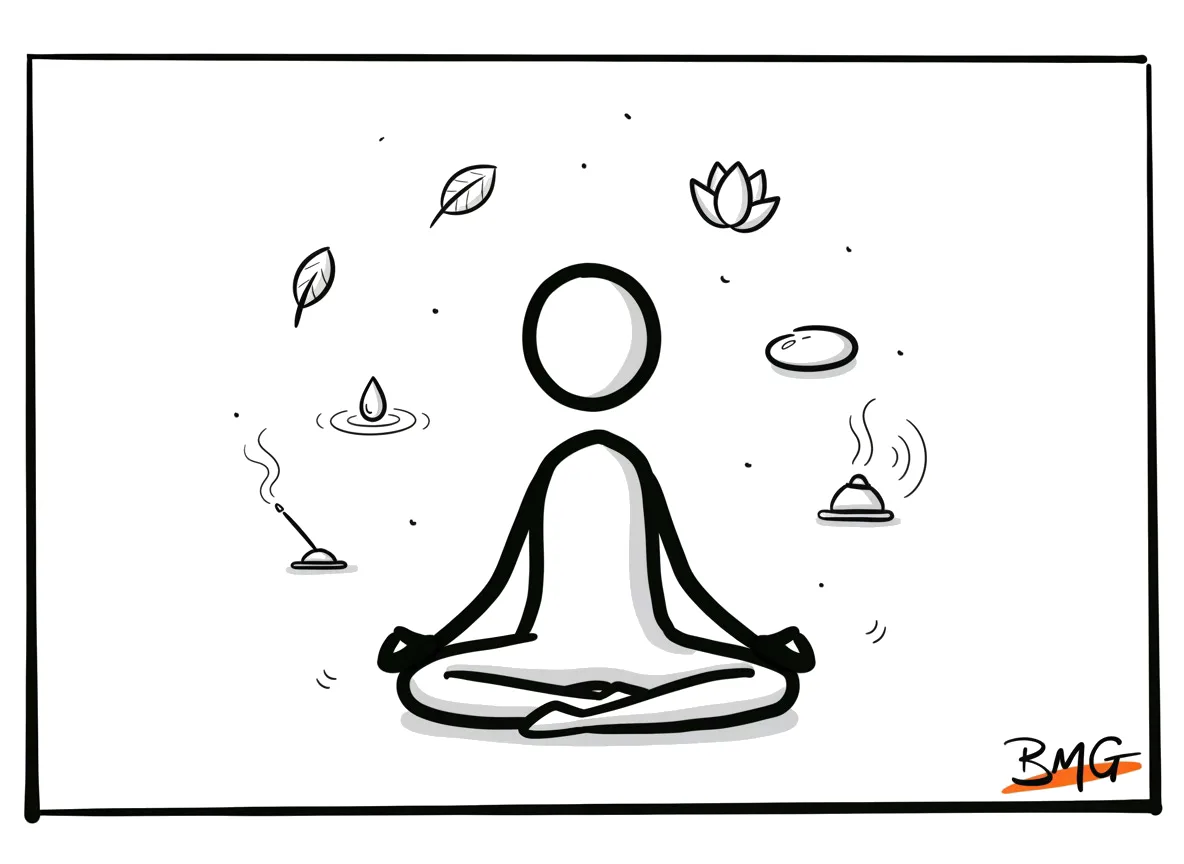
We wake up to notifications, rush through routines, move from meeting to meeting, and even try to fall asleep scrolling. Our moments of supposed rest are still often filled with mental noise … planning, worrying, replaying.
We tell ourselves we are “too busy to stop”, but beneath the surface, what we’re really afraid of is stillness.
Be honest, when everything goes quiet, we’re left face to face with our thoughts - the doubts, the questions, and the things we avoid by keeping busy.
But the irony is this: the quieter you become, the more clearly you see.
Stillness isn’t the absence of motion. It’s the mastery of it.
Learning that skill might be one of the most important leadership and life lessons of all.
From Restless to Ready
Stillness isn’t natural in modern life. It’s learned. Trained. Practised.
When you deliberately pause (not as escape, but as discipline), your nervous system recalibrates. Your thinking slows, but your awareness sharpens. You move from reacting to responding. Noise to nuance.
The best leaders I know don’t rush their decisions. They sit with uncertainty. They listen, observe, and wait for the truth to surface because they know that calmness isn’t a lack of drive; it’s a mark of control.
In a world obsessed with doing, stillness becomes a competitive advantage.
It’s what allows us to see patterns others miss, to hear what’s not being said, to recover faster and lead with clarity instead of fatigue.
The Science of Stillness
Neuroscience backs what ancient philosophy has long known: your brain performs best when given space.
Moments of stillness activate the default mode network, which is the part of the brain responsible for creativity, reflection, and problem-solving.
It’s why ideas come in the shower or on walks, not in meetings.
Physiologically, stillness activates the parasympathetic nervous system … the body’s natural “rest and restore” mode. Heart rate slows, stress hormones drop, and presence returns.
It’s not just good for your mind , it’s medicine for your whole system.
Reflection Prompts
When was the last time you allowed yourself to stop (fully!!) without guilt?
Where in your week could you create intentional pauses for stillness?
What happens inside you when things get quiet?
How would your leadership change if you learned to respond, not react?
What would a “still moment” look like in your daily rhythm?
Final Thoughts
Stillness is not weakness.
Its strength under control.
In noisy situations, anyone can shout. In stillness, you learn to listen, and from that listening, your next right action becomes clear.
The world doesn’t need more speed. It needs more groundedness.
It needs people who can hold chaos without becoming chaotic themselves.
So practise the pause. Sit in silence. Learn the discipline of doing nothing, and watch how much more powerful everything you do becomes.
Because stillness isn’t the opposite of progress.
It’s the foundation of it.
Be. Here. Now.
Remember, the path to extraordinary is walked with a thousand small steps, and you’re doing great!
Your Small Steps
Isn’t stillness just another word for doing nothing?
Not at all. Stillness is active awareness. It’s the reset between moments of motion that sharpens everything that follows.
Action: Take a one-minute pause between tasks today. Don’t fill it. Just breathe.
How can I find stillness when my schedule is relentless?
You don’t find it, you make it. Even brief pauses compound over time.
Action: Block two five-minute windows in your day as “pause time.” Protect them like meetings.
What if I feel restless or uncomfortable when things get quiet?
That’s normal. Stillness surfaces emotion and truth. Over time, it becomes easier (even addictive).
Action: Notice what arises in silence instead of judging it. Write it down.
Can stillness really improve performance?
Absolutely. The best thinkers, leaders, and athletes all use it. Recovery fuels readiness.
Action: End your workday with two minutes of stillness before closing your laptop.
How do I know if I’m practising stillness well?
When you begin responding to life with more clarity and less reactivity, you’ll know it’s working.
Action: At the end of the week, reflect … did you pause more, rush less, listen deeper?
Barry Marshall-Graham
Executive coach and leadership advisor
Get the Difficult Conversations Guide
A practical resource for leaders who want to say the thing that needs saying, without burning bridges or avoiding the moment.
Keep reading
13 March 2026
The Weight of Unshared Doubt
Why senior leadership feels lonelier as you rise, and why confidence is often just unshared doubt.
9 March 2026
Why Your Best Advice is the Problem
Why the rush to fix others is actually a specific insecurity, and how to stop.
6 March 2026
The Weight in Your Voice
Your words carry more weight than you realise. Calm authority is often a matter of pace, tone, and the courage to name what matters.

2 March 2026
The Quiet Drift You Inherit
Inherited teams rarely collapse in a moment. They drift. Resetting standards isn't about being harsh, it's about clarity, dignity, and trust.
27 February 2026
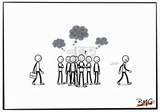
When Everyone Owns It
Shared ownership sounds healthy, but when everyone owns a decision, nobody owns the decision. Clarity needs a single accountable owner.
23 February 2026
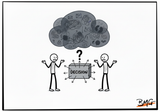
The Private Ledger of Leadership
Senior leaders carry a private ledger of risks, promises, and people. Naming that inner load isn't weakness, it's how you lead without breaking.
20 February 2026
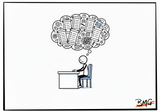
The Avoided Conversation Is a Decision
The conversation you're avoiding isn't neutral. It's a decision to let the current pattern continue, and that decision shapes the culture.

16 February 2026
Calm Authority in Tense Rooms
Authority isn't volume or force. It's the ability to hold a tense room steady, name what matters, and set a clear boundary without heat.

13 February 2026
The First Small Tolerance
Standards rarely collapse in a moment. They slip through the first small tolerance you let pass, then the next one feels easier.
9 February 2026
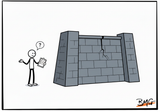
The Decision Vacuum
When decision rights are unclear, every meeting becomes a referendum. Clarity is less about answers and more about who owns the call.
