The Art of Influence in Leadership and Team Dynamics - Reciprocity
11 October 2024
How Small Acts of Generosity Can Transform Collaboration and Build a Culture of Trust
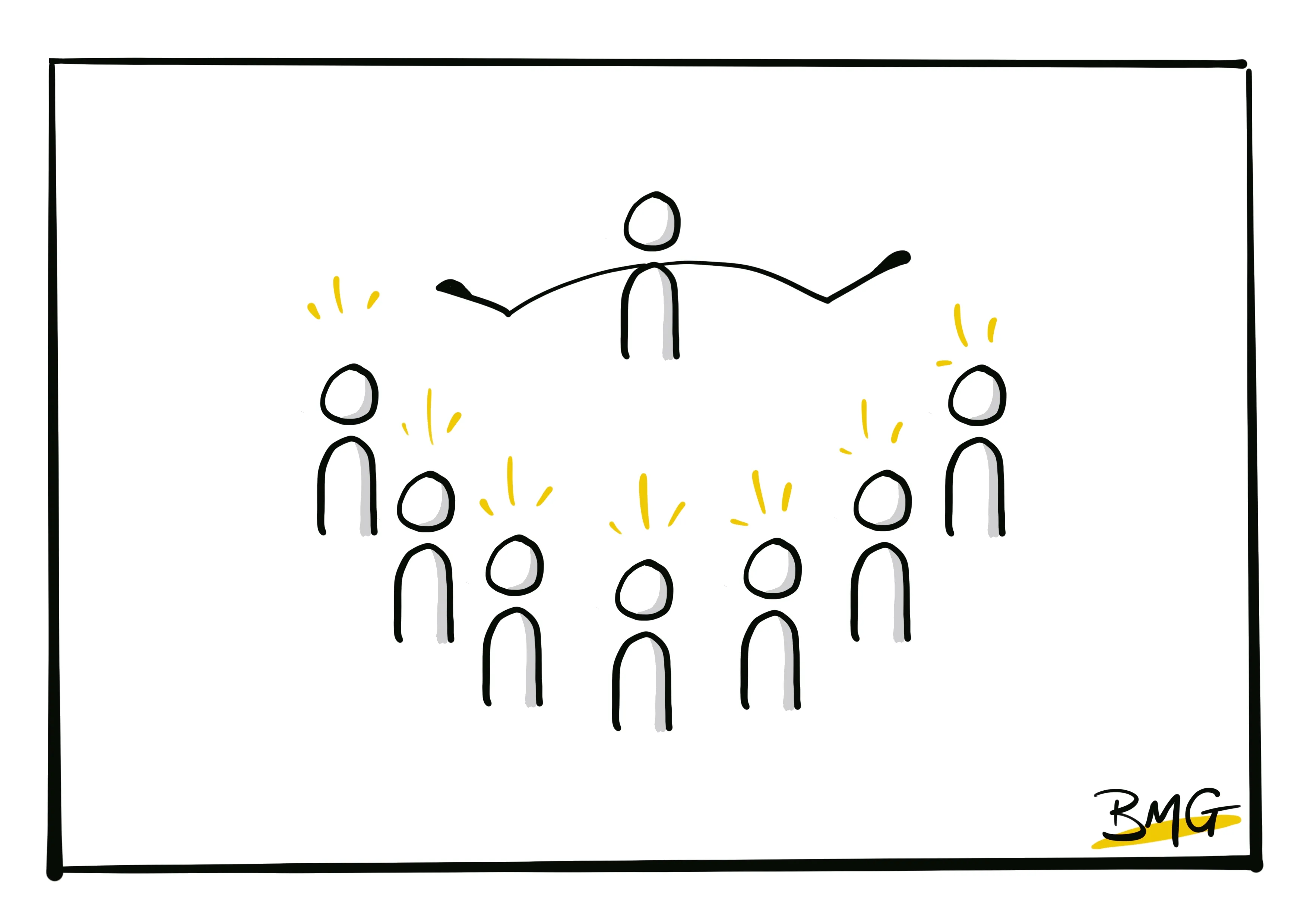
Few concepts are as powerful (yet often misunderstood) as the art of influence.
Whether you’re guiding a team through challenging projects, inspiring colleagues to embrace a new direction, or simply looking to deepen the connections within your organisation, understanding how to ethically and effectively influence others is a skill that can drive remarkable results.
In this series, we will be drawing inspiration from Robert Cialdini’s classic work, Influence: The Psychology of Persuasion.
Cialdini’s book has long been considered a cornerstone in the study of human behaviour, exploring why people say “yes” and how to ethically apply these principles in everyday interactions. The insights within its pages can be transformational - not just for marketers or salespeople, but for anyone looking to lead with greater impact and authenticity.
Each article will focus on one of the seven key principles outlined by Cialdini:
Authority
Commitment and Consistency
Liking
Reciprocity
Scarcity
Social Proof
Unity
We’ll dive deep into how these principles can be applied in leadership and team settings, offering examples and actionable strategies that you can implement to build and maintain stronger, more cohesive teams.
By understanding and leveraging these principles, you can maintain environments where trust, motivation, and collaboration flourish, creating a workplace culture that achieves goals with integrity and purpose.
Whether you’re new to Cialdini’s work or looking for a fresh perspective on his (now) timeless insights, this series is designed to provide practical tools and inspiration for leaders at every level.
Let’s embark on this journey together, exploring the subtle yet powerful ways in which influence can shape the way we lead, connect, and achieve.
Reciprocity
It’s easy to focus on targets, deliverables, and ultimately, profit. Yet, among these pressures, we often overlook a simple principle that can significantly enhance team dynamics: Reciprocity.
Reciprocity operates on a straightforward premise:
Give a little to get a little.
In a team setting, this could mean offering help on a project, sharing resources, or simply being there to lend a helpful ear to someone. Acts of goodwill like these create a ripple effect, encouraging recipients to reciprocate.
The result? A more collaborative, supportive, and productive team environment.
What is Reciprocity?
As described in Cialdini’s Influence, reciprocity is a fundamental principle that taps into the innate human tendency to return favours or kindnesses received.
The rule says that we should try to repay, in kind, what another person has provided us. By obligating us to future repayment of favours, gifts, invitations, and the like, the rule for reciprocity allows one individual to give something to another with the confidence that it is not being lost.
This principle is built on a simple yet powerful premise: when someone gives to us, we feel a natural obligation to give back.
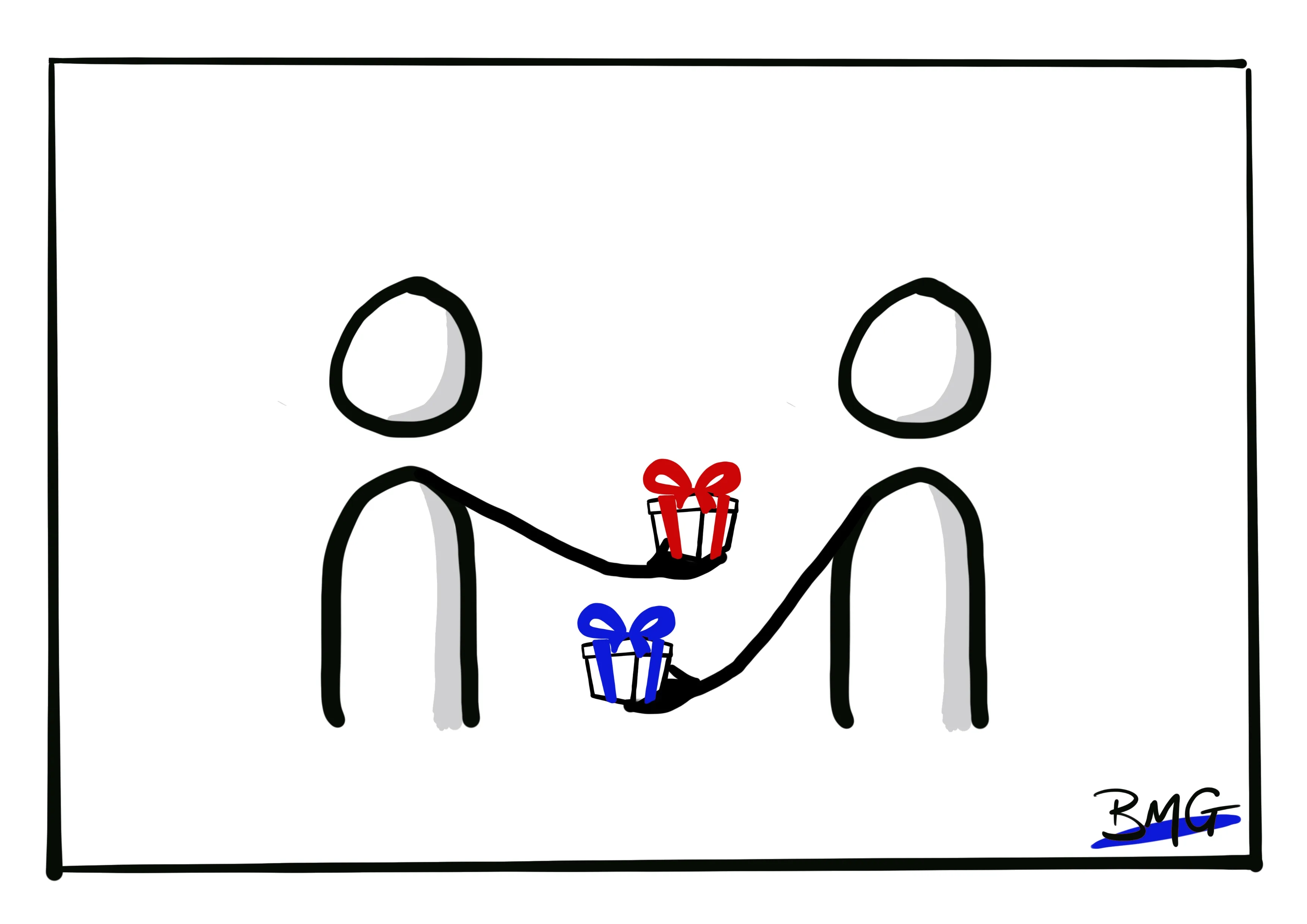
It’s a behaviour deeply ingrained in social norms across cultures and societies. The desire to reciprocate is so strong that even a small initial gesture can compel someone to respond in kind, creating a sense of indebtedness that people are eager to resolve.
Cialdini highlights how this principle has been leveraged in various aspects of life, from marketing tactics to interpersonal relationships.
For example, businesses often use reciprocity by offering free samples or trials. When a customer receives something of value for free, they feel a subconscious pressure to reciprocate by making a purchase. Even though the gesture may seem minor, the psychological weight of “paying back” can significantly influence decision-making, often leading to a favourable outcome for the seller.
In a broader sense, reciprocity functions as a foundational element for trust and cooperation within social groups. It creates a consistent positive feedback loop where acts of generosity and support lead to a culture where such behaviours are continuously reciprocated.
Building Trust
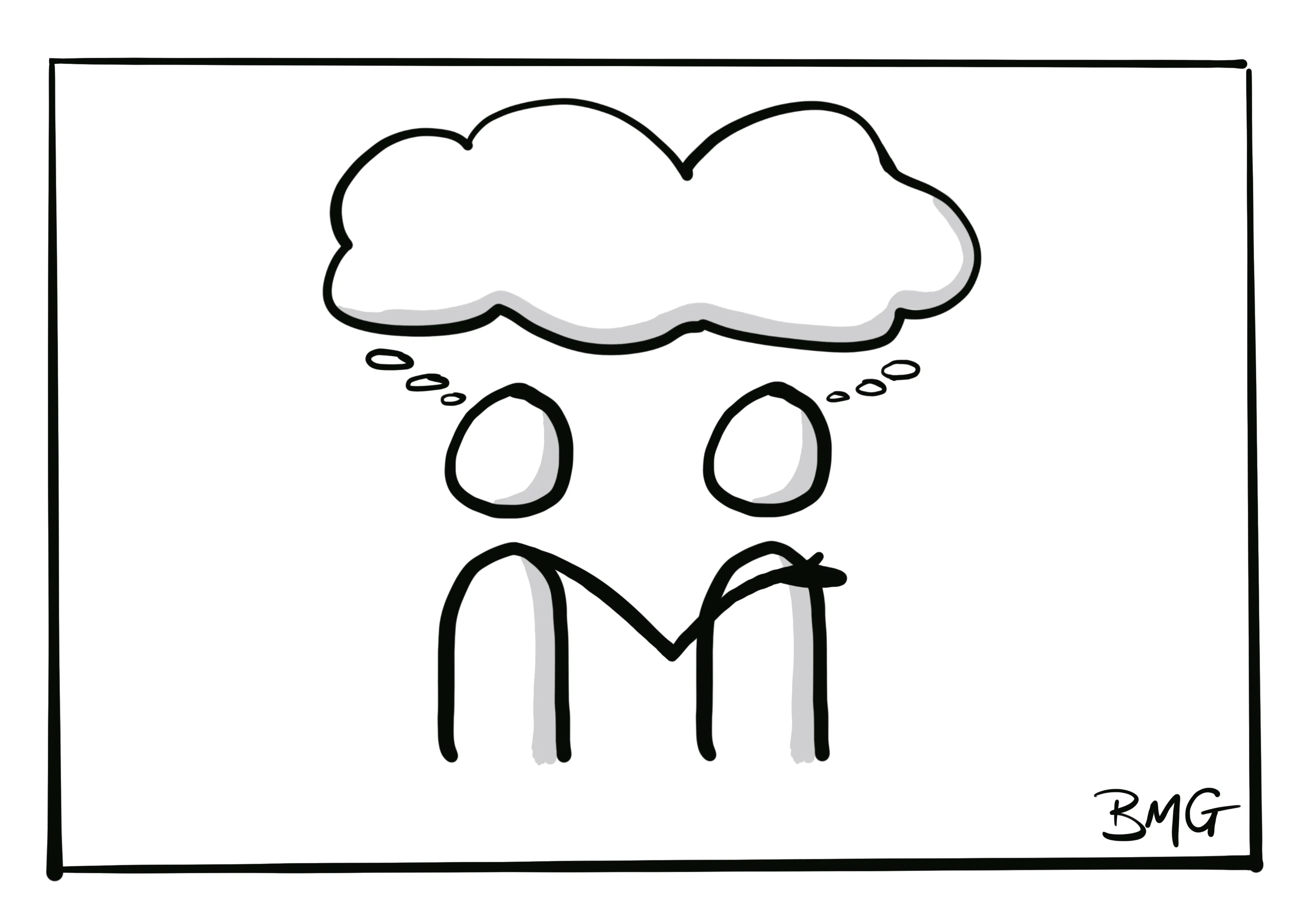
Reciprocity builds trust. I could stop there. However, that wouldn’t make for much of a helpful article…
Trust is the glue of the reciprocal exchange. Without trust, the whole system of give and take would break down, as individuals would become wary of giving first, unsure if they would receive anything in return.
When team members know that their colleagues are willing to offer support, they’re more likely to step up themselves and contribute beyond their defined roles. This mutual exchange supports a culture where individuals feel valued and motivated to contribute to the collective success of the team.
Incorporating the principle of reciprocity doesn’t require grand gestures. It’s the small, consistent acts … sharing knowledge, offering assistance, or acknowledging others’ contributions that cumulatively create a sense of shared purpose and connection.
In a leadership role, demonstrating reciprocity can set a powerful example.
When leaders actively show that they are willing to give before expecting anything in return, it sends a message that every team member’s efforts are valued. This can transform the team’s culture, turning it into one where collaboration thrives naturally and the leadership can be trusted.
Leaders who model this behaviour inspire others to do similar, creating a cycle of giving that strengthens the entire organisation.
Trust, connection and collaboration are more important than ever where remote or hybrid working patterns are applied, so reciprocity is a strategy that can genuinely turn good teams into great ones.
A quick pause
If this is helpful, the free guide goes deeper, and the newsletter brings ideas like this twice a week.
Examples of Reciprocity
1. Peer-to-Peer Mentoring
• Scenario: Consider Software Development. A more experienced or senior developer takes time to guide a more junior team member through a challenging piece of code. This mentoring may not be part of their job or role description, but it helps the more junior developer quickly understand the thought process that’s required directly from a developer with more experience.
• Reciprocal Effect: Later, when the Senior Developer needs assistance with a testing phase or a tight deadline, the junior developer is eager to pitch in, perhaps staying late or working a longer than normal day to ensure the work is completed. This exchange builds a culture where team members invest in each other’s growth and success and is a great example of the reciprical effect.
2. Cross-Functional Support During High Workload
• Scenario: During a product launch, the Marketing Team is overwhelmed with tasks with a tight deadline looming. A member of the Operational Customer Support team offers to help by drafting responses to common queries, freeing up time for the marketers to focus on the coordination and strategy required to hit the deadline.
• Reciprocal Effect: When the Customer Support Team later faces a surge of inquiries during a different campaign, the marketing team jumps in to assist, creating quick guides and responses, ensuring that customers get timely help. This creates a sense of unity between teams, breaks down silos and enhances cross-functional collaboration.
3. Sharing Knowledge or Resources
• Reciprocal Effect: When this same team member encounters a problem they need assistance with, their colleagues will be then willing to spend time helping solve the issue. This act of sharing knowledge builds a culture where team members are more inclined to help one another without hesitation.
4. Personal Support and Recognition
• Scenario: A team leader takes time to recognise a team member’s contribution during a meeting, giving them credit for their efforts in front of peers. The recognition boosts the morale of the team member.
• Reciprocal Effect: The appreciated team member feels more motivated to go the extra mile, taking on additional tasks and supporting the lead with their deliverables. The act of recognition encourages others in the team to look out for and appreciate each other’s efforts.
In each of these examples, the power of reciprocity is clear: small, thoughtful acts of giving will create a ripple effect that transforms a team’s dynamic.
By fostering an environment where generosity is met with appreciation and support, leaders can unlock a culture of collaboration, trust, and shared success.
When team members feel valued and see their contributions acknowledged, they become more willing to invest their time and effort back into the group, creating a positive cycle that benefits everyone.
Ultimately, embracing the principle of reciprocity doesn’t just strengthen individual relationships … it builds the foundation for a thriving, cohesive team where everyone is motivated to lift each other up.
Conclusion
The principle of reciprocity is more than just a social nicety; it’s a powerful psychological mechanism that shapes human behaviour and interactions.
As Cialdini outlines in Influence, this deeply ingrained impulse to return favours is rooted in our evolutionary need for cooperation and social cohesion. By recognising and harnessing this principle, leaders can create an environment where acts of kindness and support naturally encourage a cycle of positive exchange.
When team members feel a sense of mutual obligation, it strengthens the bonds of trust and fosters a collaborative spirit, leading to greater collective success.
Reciprocity is effective because it taps into a fundamental human desire to maintain balance in relationships. When applied thoughtfully, it enables leaders to subtly guide behaviours and create a sense of shared responsibility within their teams.
Yet, (and this is key) the true power of reciprocity lies in its authenticity.
When the intention behind each gesture is genuine, it encourages sincere reciprocation, rather than mere compliance. This ensures that the culture of giving and receiving becomes a core part of the team’s ethos, rather than just a temporary strategy.
By leveraging reciprocity, leaders are not just supporting cooperation; they are cultivating a culture where people feel valued, respected, and motivated to contribute beyond their roles.
As a result, the principle of reciprocity becomes a cornerstone of a thriving, resilient team, one where the collective effort is consistently greater than the sum of its parts.
Where trust is the currency of influence, reciprocity is a key investment.
Remember, the path to extraordinary is walked with a thousand small steps, you’re doing great!
Want to learn more? Let's grow together!
Your Small Steps
How can I use reciprocity without it feeling manipulative?
Reciprocity should always stem from a place of genuine intent rather than expectation. Focus on helping others because it aligns with your values and supports the team’s goals, not just because you expect something in return. Acts of kindness or assistance should feel natural, and over time, the positive atmosphere they create will lead to mutual support without forcing the issue.
What if team members don’t reciprocate my efforts?
Not every act of generosity will be met with immediate reciprocity, and that’s okay. Building a culture of reciprocity takes time. Lead by example, and over time, others will be inspired to follow. It’s important to remember that people may respond in their own way and timing, especially as trust is established. Consistency is key,stick with it, and you’re likely to see a shift in behaviour.
Can reciprocity work in remote or hybrid teams?
Yes, reciprocity is just as effective in remote or hybrid environments. Small gestures like sharing helpful resources, offering to assist with a virtual meeting, or even expressing gratitude in team chats can foster the same sense of mutual support. The key is to maintain open communication and ensure that team members feel valued and connected, no matter where they’re working from.
How does reciprocity differ from quid pro quo?
Quid pro quo implies a direct exchange,“I’ll do this if you do that.” Reciprocity, however, is more subtle and organic. It’s about creating a culture where giving and receiving happen naturally, without a set expectation or obligation. Reciprocity is based on a spirit of mutual goodwill, whereas quid pro quo can feel more transactional and less genuine.
How can I encourage a culture of reciprocity as a leader?
As a leader, you set the tone. Start by consistently offering help, showing appreciation, and recognising the efforts of your team members. Encourage an environment where team members feel comfortable supporting one another and make sure that acts of generosity are acknowledged publicly. This demonstrates that such behaviour is valued and gradually encourages others to adopt the same approach.
Can reciprocity backfire in a team setting?
Reciprocity can backfire if it becomes too one-sided or if people feel pressured to reciprocate beyond their means. It’s important to avoid creating a sense of obligation that might feel burdensome. For reciprocity to be positive, it must be balanced and voluntary. The goal is to foster a culture where acts of support and appreciation are given freely, rather than as a response to pressure or expectation.
Are there situations where reciprocity doesn’t apply?
Reciprocity may be less effective in highly competitive environments where team members feel they are constantly vying for recognition or resources. In such cases, focusing on building trust and aligning team members around shared goals can be more effective initially. Once a sense of unity is established, the principles of reciprocity can be gradually introduced to support a more collaborative mindset.

Barry Marshall-Graham
Executive coach and leadership advisor
Get the Difficult Conversations Guide
A practical resource for leaders who want to say the thing that needs saying, without burning bridges or avoiding the moment.
Keep reading
13 March 2026
The Weight of Unshared Doubt
Why senior leadership feels lonelier as you rise, and why confidence is often just unshared doubt.
9 March 2026
Why Your Best Advice is the Problem
Why the rush to fix others is actually a specific insecurity, and how to stop.

6 March 2026
The Weight in Your Voice
Your words carry more weight than you realise. Calm authority is often a matter of pace, tone, and the courage to name what matters.

2 March 2026
The Quiet Drift You Inherit
Inherited teams rarely collapse in a moment. They drift. Resetting standards isn't about being harsh, it's about clarity, dignity, and trust.

27 February 2026
When Everyone Owns It
Shared ownership sounds healthy, but when everyone owns a decision, nobody owns the decision. Clarity needs a single accountable owner.
23 February 2026
The Private Ledger of Leadership
Senior leaders carry a private ledger of risks, promises, and people. Naming that inner load isn't weakness, it's how you lead without breaking.

20 February 2026
The Avoided Conversation Is a Decision
The conversation you're avoiding isn't neutral. It's a decision to let the current pattern continue, and that decision shapes the culture.

16 February 2026
Calm Authority in Tense Rooms
Authority isn't volume or force. It's the ability to hold a tense room steady, name what matters, and set a clear boundary without heat.

13 February 2026
The First Small Tolerance
Standards rarely collapse in a moment. They slip through the first small tolerance you let pass, then the next one feels easier.

9 February 2026
The Decision Vacuum
When decision rights are unclear, every meeting becomes a referendum. Clarity is less about answers and more about who owns the call.
