The Art of Influence in Leadership and Team Dynamics - Unity
6 December 2024
Building Bonds That Inspire - How Unity Drives Trust, Loyalty, and Team Success
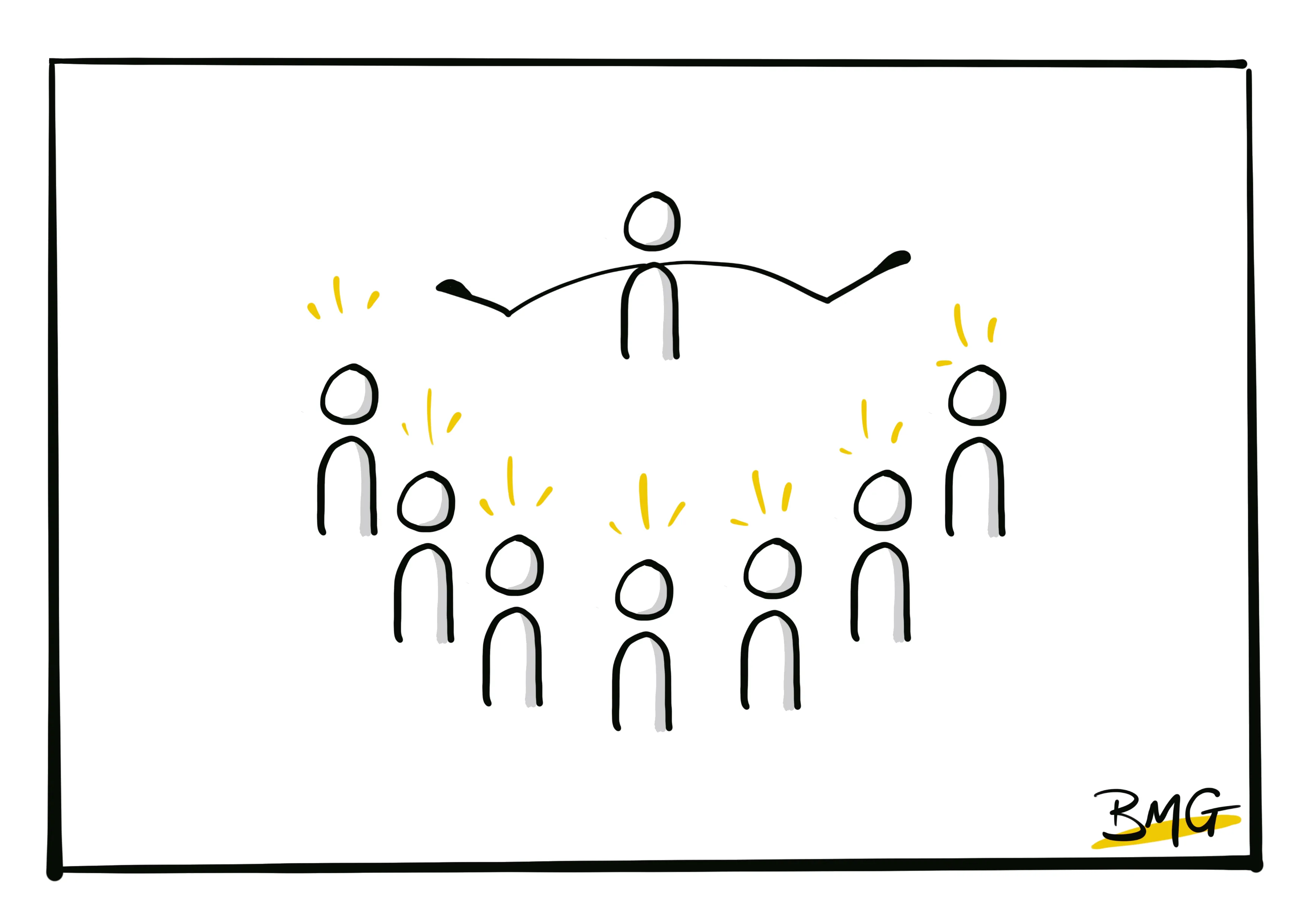
Few concepts are as powerful (yet often misunderstood) as the art of influence.
Whether you’re guiding a team through challenging projects, inspiring colleagues to embrace a new direction, or simply looking to deepen the connections within your organisation, understanding how to ethically and effectively influence others is a skill that can drive remarkable results.
In this series, we will be drawing inspiration from Robert Cialdini’s classic work, Influence: The Psychology of Persuasion.
Cialdini’s book has long been considered a cornerstone in the study of human behaviour, exploring why people say “yes” and how to ethically apply these principles in everyday interactions. The insights within its pages can be transformational - not just for marketers or salespeople, but for anyone looking to lead with greater impact and authenticity.
Each article will focus on one of the seven key principles outlined by Cialdini:
Scarcity
Social Proof
Unity
We’ll dive deep into how these principles can be applied in leadership and team settings, offering examples and actionable strategies that you can implement to build and maintain stronger, more cohesive teams.
By understanding and leveraging these principles, you can maintain environments where trust, motivation, and collaboration flourish, creating a workplace culture that achieves goals with integrity and purpose.
Whether you’re new to Cialdini’s work or looking for a fresh perspective on his (now) timeless insights, this series is designed to provide practical tools and inspiration for leaders at every level.
Let’s embark on this journey together, exploring the subtle yet powerful ways in which influence can shape the way we lead, connect, and achieve.
Unity
Among the principles in Influence, Unity stands out as one of the most profound and emotionally resonant.
Unity operates on a simple yet powerful premise:
In leadership and team settings, fostering unity can inspire loyalty, build trust, and create a culture of collaboration that drives collective success.
What is Unity?
As Cialdini describes in Influence: The Psychology of Persuasion, the principle of unity is about the shared identities that bind people together.
These bonds go beyond surface-level connections and tap into deeply held beliefs, values, and commonalities. Unity is not just about being similar to someone; it’s about being part of the same group - what Cialdini refers to as “we relationships.”
“The more we perceive someone as one of us, the more we are influenced by them.” , Robert Cialdini
Cialdini highlights that unity is powerful because it ties influence to identity.
When individuals feel they are part of a group with shared experiences, goals, or heritage, they naturally trust and support the group’s direction.
Unity amplifies other principles of influence, such as liking or social proof, by providing an emotional foundation for connection.
How Unity Drives Influence
Unity works because it taps into three core psychological needs:
1. Belonging
People crave connection and seek out groups where they feel a sense of belonging.
2. Identity
Shared experiences and values reinforce individuals’ sense of self, aligning their actions with group norms.
3. Trust
Perceiving someone as part of “us” reduces barriers to trust and increases openness to their influence.
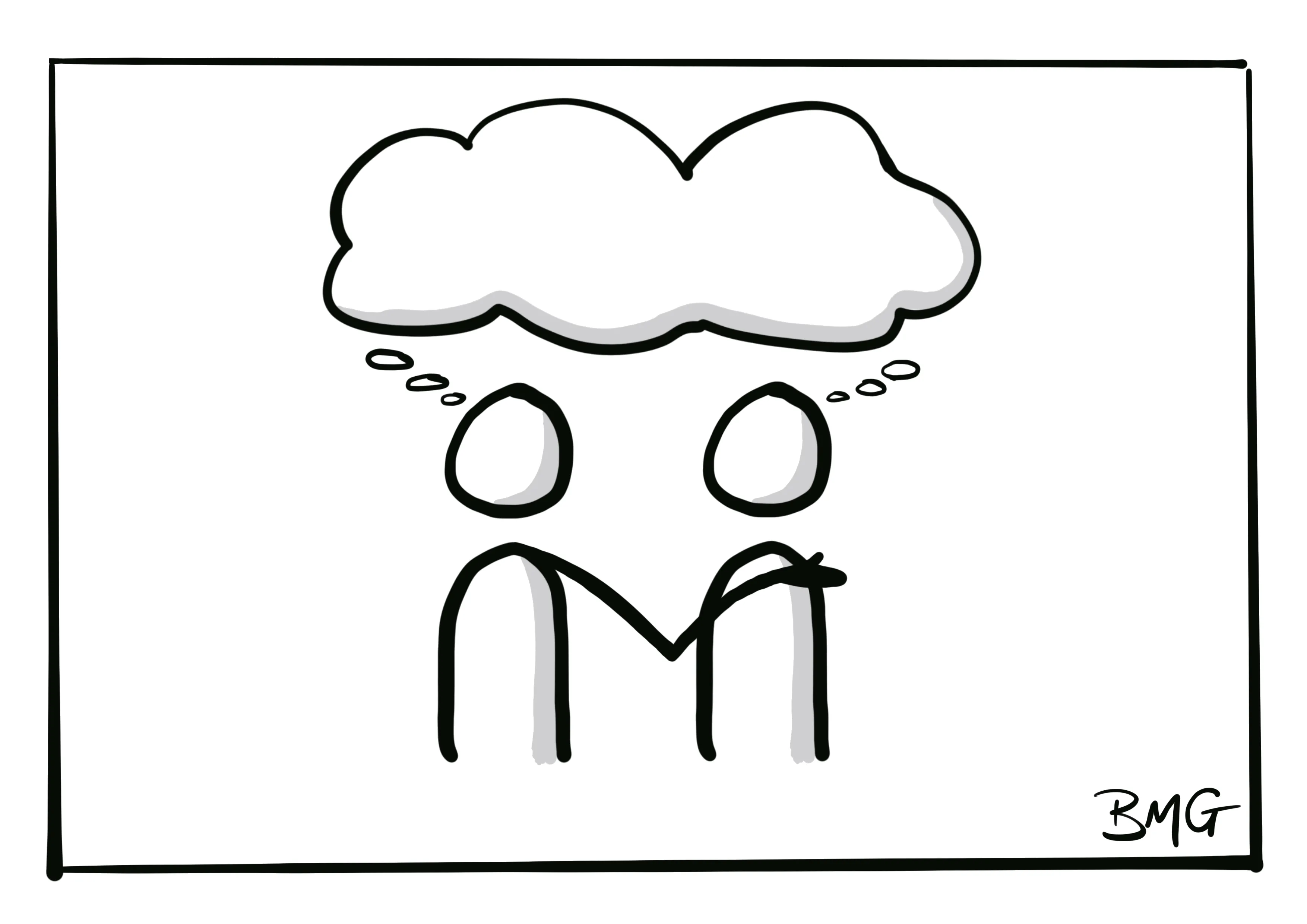
In leadership, leveraging unity means creating a shared sense of purpose and belonging among team members. By emphasising what unites a group,common goals, shared values, or mutual challenges,leaders can foster a culture where collaboration thrives.
A quick pause
If this is helpful, the free guide goes deeper, and the newsletter brings ideas like this twice a week.
Examples of Unity in Action
Rallying Around Shared Values
Scenario: A leader launches a new initiative by framing it as a continuation of the business’ long-standing value of innovation, reminding the team of their collective identity as trailblazers.
Unity Effect: Team members feel a sense of pride and alignment with the initiative, making them more committed to its success.
Highlighting Shared Experiences
Scenario: During a company-wide meeting, a leader shares their stories of the challenges the team has overcome together, emphasising their collective resilience in the face of adversity.
Unity Effect: This reinforces the bond among team members, creating a sense of “we’re in this together” that motivates similar future efforts.
Creating Sub-Groups for Connection
Scenario: A leader organises a mentorship programme where team members are paired based on shared backgrounds, interests, beliefs, or career aspirations.
Unity Effect: These smaller, connected groups strengthen bonds across the team, making it easier to collaborate and trust each other.
Using Symbols of Unity
Scenario: A team leader introduces a unique team name, logo or slogan that represents the group’s mission, encouraging members to display it during presentations or events.
Unity Effect: This visual representation of belonging reinforces a sense of shared identity, inspiring pride and loyalty.
Ethical Use of Unity
Unity is a deeply emotional principle and should always be used authentically.
Manipulating unity by fabricating shared experiences or forcing superficial connections can backfire, leading to distrust or cynicism. Instead, leaders should focus on uncovering genuine commonalities and celebrating real shared values.
Highlighting the authentic bonds that already exist within a group, leaders can use unity to build trust and inspire action without compromising integrity.
Authenticity in the deployment of the Cialdidni principles requires delicate balance, but once achieved the benefits are spectacular.
Conclusion
The principle of Unity taps into one of the most powerful motivators in human behaviour: the need to belong.
As Cialdini explains in Influence, people are naturally inclined to trust and follow those with whom they feel a sense of shared identity. By fostering unity, leaders can create a culture of trust, loyalty, and collaboration that drives long-term success.
Unity is effective because it aligns influence with identity.
When team members feel they are part of something bigger than themselves, they are more motivated to contribute and support collective goals.
However, its true power lies in authenticity - unity that is built on real shared experiences and values resonates deeply and inspires lasting commitment.
Used thoughtfully, the principle of unity enables leaders to strengthen bonds, build alignment, and inspire their teams to achieve greatness together.
Remember, the path to extraordinary is walked with a thousand small steps, you’re doing great!
Your Small Steps
How can I foster unity in a diverse team?
Unity doesn’t require uniformity. Focus on identifying shared values, goals, or experiences that unite the group. Highlight the strengths that diversity brings to the team while emphasising the collective mission everyone is working toward.
How does unity differ from liking or social proof?
Unity is deeper than liking or social proof because it ties influence to identity. While liking is about personal connections and social proof is about observing others’ actions, unity taps into the sense of being part of the same group or “we relationship.”
Can unity be effective in remote or hybrid teams?
Of course! Foster unity in remote teams by creating shared rituals (like virtual coffee breaks), celebrating collective achievements, and using digital platforms to highlight team stories, values, and goals. Regular communication that reinforces the team’s shared identity is key.
What are the risks of overusing unity?
Overemphasising unity can sometimes exclude individuals who feel they don’t fully belong. Be mindful to create an inclusive environment where everyone feels part of the group, even if their contributions or backgrounds differ.
How can symbols and rituals support unity?
Symbols like team logos, mottos, or shared rituals (e.g., regular team lunches or shout-outs in meetings) reinforce a sense of belonging and identity. These small, consistent gestures build emotional connections that strengthen unity over time.

Barry Marshall-Graham
Executive coach and leadership advisor
Get the Difficult Conversations Guide
A practical resource for leaders who want to say the thing that needs saying, without burning bridges or avoiding the moment.
Keep reading
13 March 2026
The Weight of Unshared Doubt
Why senior leadership feels lonelier as you rise, and why confidence is often just unshared doubt.

9 March 2026
Why Your Best Advice is the Problem
Why the rush to fix others is actually a specific insecurity, and how to stop.

6 March 2026
The Weight in Your Voice
Your words carry more weight than you realise. Calm authority is often a matter of pace, tone, and the courage to name what matters.

2 March 2026
The Quiet Drift You Inherit
Inherited teams rarely collapse in a moment. They drift. Resetting standards isn't about being harsh, it's about clarity, dignity, and trust.

27 February 2026
When Everyone Owns It
Shared ownership sounds healthy, but when everyone owns a decision, nobody owns the decision. Clarity needs a single accountable owner.
23 February 2026
The Private Ledger of Leadership
Senior leaders carry a private ledger of risks, promises, and people. Naming that inner load isn't weakness, it's how you lead without breaking.

20 February 2026
The Avoided Conversation Is a Decision
The conversation you're avoiding isn't neutral. It's a decision to let the current pattern continue, and that decision shapes the culture.

16 February 2026
Calm Authority in Tense Rooms
Authority isn't volume or force. It's the ability to hold a tense room steady, name what matters, and set a clear boundary without heat.

13 February 2026
The First Small Tolerance
Standards rarely collapse in a moment. They slip through the first small tolerance you let pass, then the next one feels easier.

9 February 2026
The Decision Vacuum
When decision rights are unclear, every meeting becomes a referendum. Clarity is less about answers and more about who owns the call.
