The Art of Influence in Leadership and Team Dynamics - Liking
11 November 2024
Harnessing the Power of Genuine Connections to Drive Team Success and Collaboration
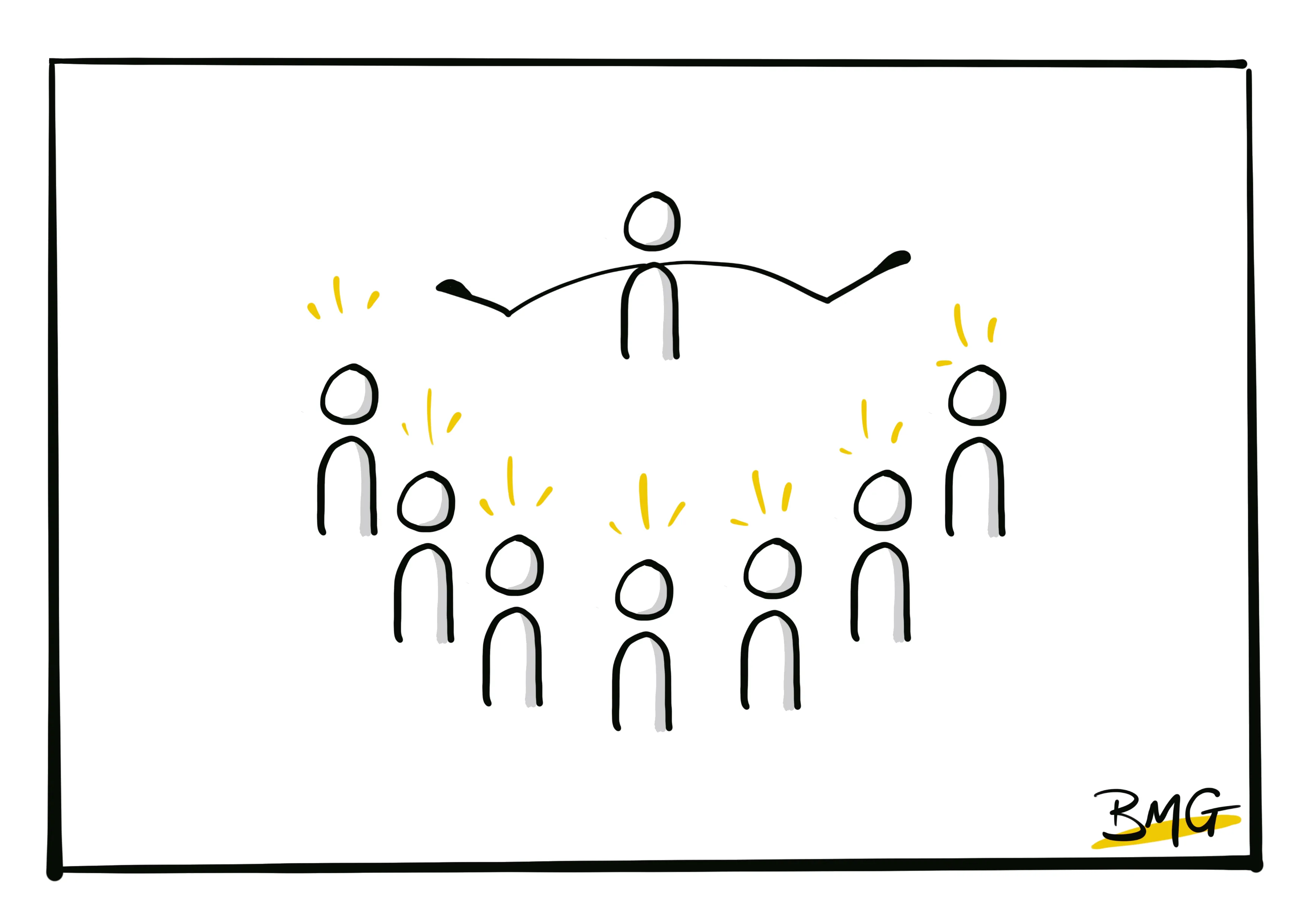
Few concepts are as powerful (yet often misunderstood) as the art of influence.
Whether you’re guiding a team through challenging projects, inspiring colleagues to embrace a new direction, or simply looking to deepen the connections within your organisation, understanding how to ethically and effectively influence others is a skill that can drive remarkable results.
In this series, we will be drawing inspiration from Robert Cialdini’s classic work, Influence: The Psychology of Persuasion.
Cialdini’s book has long been considered a cornerstone in the study of human behaviour, exploring why people say “yes” and how to ethically apply these principles in everyday interactions. The insights within its pages can be transformational - not just for marketers or salespeople, but for anyone looking to lead with greater impact and authenticity.
Each article will focus on one of the seven key principles outlined by Cialdini:
Liking
Scarcity
Social Proof
Unity
We’ll dive deep into how these principles can be applied in leadership and team settings, offering examples and actionable strategies that you can implement to build and maintain stronger, more cohesive teams.
By understanding and leveraging these principles, you can maintain environments where trust, motivation, and collaboration flourish, creating a workplace culture that achieves goals with integrity and purpose.
Whether you’re new to Cialdini’s work or looking for a fresh perspective on his (now) timeless insights, this series is designed to provide practical tools and inspiration for leaders at every level.
Let’s embark on this journey together, exploring the subtle yet powerful ways in which influence can shape the way we lead, connect, and achieve.
Liking
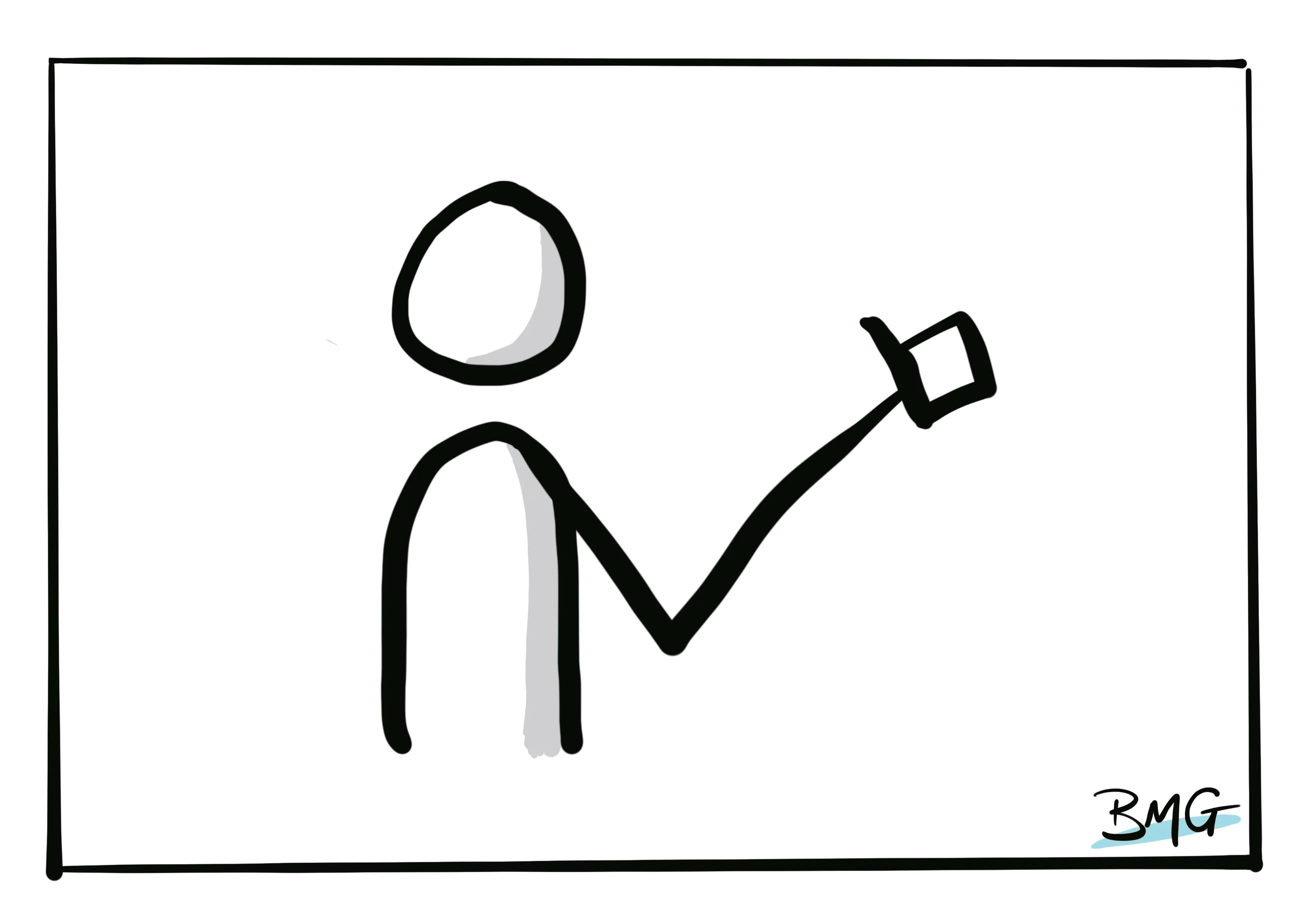
This principle is rooted in our natural tendency to be influenced by those we genuinely connect with and feel positively towards.
The power of liking and being liked, doesn’t just create relationships; it builds stronger teams, encourages collaboration, and drives people to support each other towards shared goals.
Liking operates on a simple yet profound premise:
We are more likely to agree with and be influenced by those we know and like.
In a team setting, taking the time to create genuine rapport and likability among colleagues enhances morale and productivity, making it easier for everyone to work cohesively toward shared objectives.
What is Liking?
As Cialdini explains in Influence, the principle of liking is based on our tendency to say “yes” more readily to people we find likable or relatable.
This isn’t simply about charisma or charm, it’s about creating authentic connections through shared interests, trust, and mutual respect. When leaders and teammates take the time to generate positive relationships, they establish an environment where people naturally want to help each other and work together.
“People will always prefer to say yes to those they know and like.” , Robert Cialdini
Cialdini demonstrates that liking can be created and maintained through simple, genuine actions, such as finding common ground, giving thoughtful compliments, and showing empathy.
The principle of liking is often used in sales, where rapport-building is essential for gaining trust, but it is equally powerful in team settings, where likability can massively reduce friction, boost cooperation, and align individuals toward collective success.
A quick pause
If this is helpful, the free guide goes deeper, and the newsletter brings ideas like this twice a week.
Creating Connection through Liking
As we have already seen, liking is about building genuine connections, not just surface-level friendliness.
Leaders can cultivate likability by actively acknowledging team members’ efforts, showing a sincere interest in their perspectives, and finding areas of shared interests or values. These small gestures of connection enhance team cohesion and make it easier for everyone to engage meaningfully in their roles.
Liking as a Catalyst for Collaboration
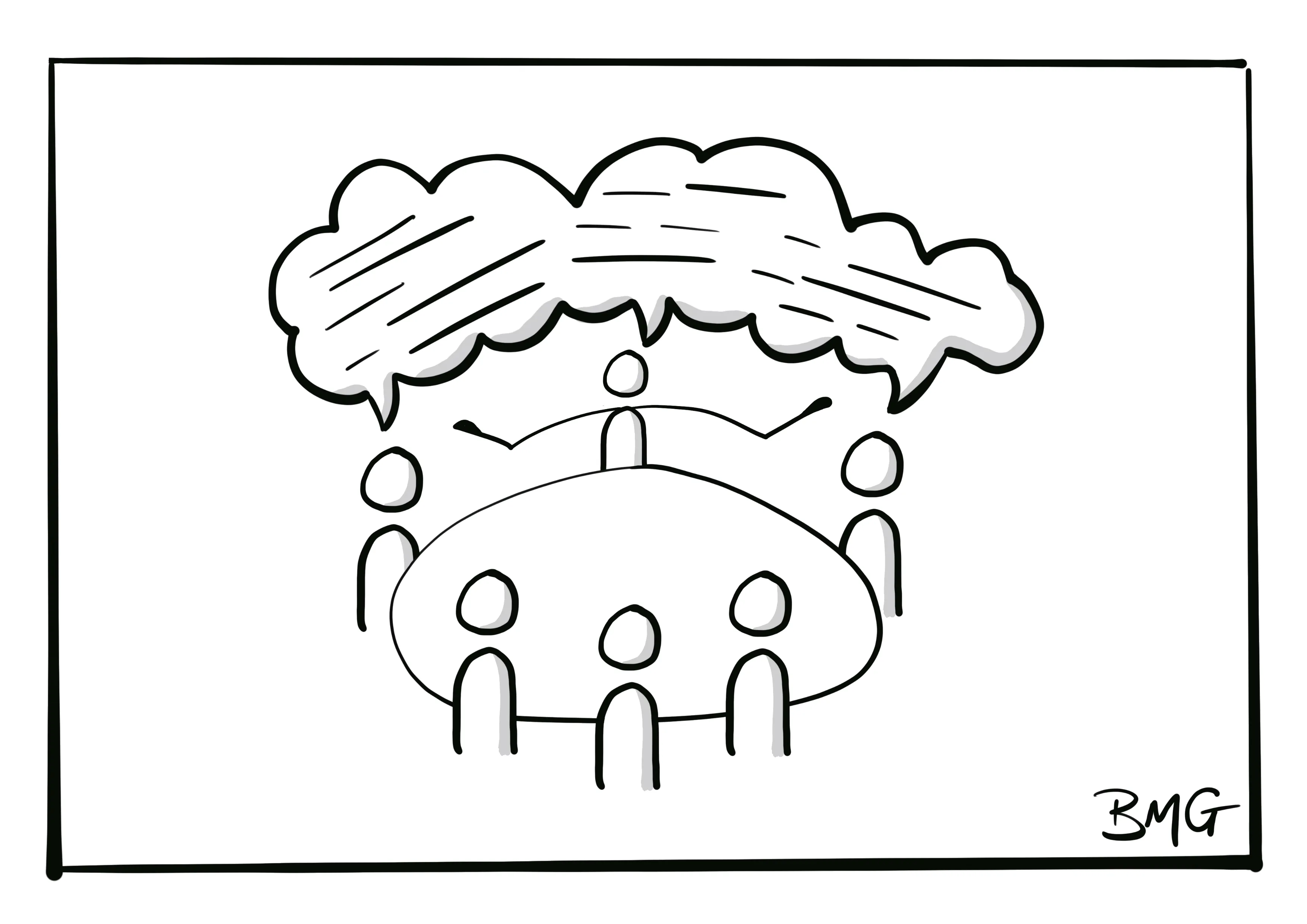
Leaders who encourage a culture of likability foster a positive team environment where conflicts are easier to resolve, productivity flourishes, and everyone feels more invested in achieving shared goals.
Examples of Liking
1. Building Rapport through Shared Interests
Scenario: A leader discovers that several team members are passionate about a particular hobby, sport, or cause. They organise an informal get-together around this shared interest, creating a space for team members to connect outside of work.
Liking Effect: This camaraderie breaks down formal barriers, making team members feel closer and more willing to collaborate and support each other on projects.
2. Genuine Recognition and Compliments
Scenario: A team leader regularly acknowledges the specific contributions of team members during meetings, offering genuine compliments on their achievements and efforts and thanking them publicly for all they do for the team.
Liking Effect: Team members feel seen and appreciated, increasing their overall respect for the leader and making them more receptive to future collaboration, particularly in times of difficulty.
3. Finding Common Ground and Shared Values
Scenario: During a project kickoff, the leader discusses shared team values, such as integrity, creativity, or quality, which resonate with the whole team. Examples are given from various members in the team, showing that the leader values their contributions and welcomes challenge as part of everyday process.
Liking Effect: This alignment on values builds a sense of shared purpose, helping the team feel more connected and committed to reaching their goals together.
4. Active Listening
Scenario: A leader takes time to listen to team members’ concerns and ideas, showing empathy and understanding without interruption.
Liking Effect: Team members feel respected and valued, which enhances their trust in the leader and strengthens their willingness to cooperate and engage fully in projects.
Conclusion
The principle of Liking is a powerful tool for leaders who want to build connected, high-performing teams.
As Cialdini explains in Influence, we are naturally more inclined to support those we like and feel close to. By fostering genuine connections through empathy, shared interests, and positive recognition, leaders can create a team environment that is both collaborative and resilient.
Liking, when rooted in authenticity, builds a culture where team members genuinely care for one another’s success.
Through consistent, small gestures that demonstrate respect and understanding, leaders can transform their teams into cohesive, engaged units where everyone feels motivated to contribute.
When applied thoughtfully, the principle of liking becomes a powerful foundation for strong relationships and a positive work culture.
Remember, the path to extraordinary is walked with a thousand small steps, you’re doing great!
Want to learn more? Let's grow together!
Your Small Steps
How can I build likability without it seeming forced?
Focus on authentic interactions. Genuine interest in others’ ideas, remembering personal details, and offering specific compliments create a sense of real connection. Consistency in showing appreciation and empathy also helps foster trust and likability over time.
How does liking impact team performance?
Liking enhances team cohesion and makes collaboration easier. When team members feel connected, they are more likely to help each other, communicate openly, and resolve conflicts amicably, which directly improves team morale and performance.
How can I foster likability in a remote or hybrid team?
Building likability in remote teams can be achieved through virtual team-building activities, informal check-ins, and regular recognition of team members’ efforts. Encouraging casual conversations and creating informal channels for connection helps maintain a positive, likable team environment.
How can I encourage likability without compromising professionalism?
Balance likability with professionalism by treating all team members fairly, recognising everyone’s contributions, and maintaining transparency in decision-making. By demonstrating respect for each team member’s skills and ideas, you create a likable atmosphere without favouritism.

Barry Marshall-Graham
Executive coach and leadership advisor
Get the Difficult Conversations Guide
A practical resource for leaders who want to say the thing that needs saying, without burning bridges or avoiding the moment.
Keep reading
13 March 2026
The Weight of Unshared Doubt
Why senior leadership feels lonelier as you rise, and why confidence is often just unshared doubt.
9 March 2026
Why Your Best Advice is the Problem
Why the rush to fix others is actually a specific insecurity, and how to stop.
6 March 2026
The Weight in Your Voice
Your words carry more weight than you realise. Calm authority is often a matter of pace, tone, and the courage to name what matters.

2 March 2026
The Quiet Drift You Inherit
Inherited teams rarely collapse in a moment. They drift. Resetting standards isn't about being harsh, it's about clarity, dignity, and trust.
27 February 2026
When Everyone Owns It
Shared ownership sounds healthy, but when everyone owns a decision, nobody owns the decision. Clarity needs a single accountable owner.
23 February 2026
The Private Ledger of Leadership
Senior leaders carry a private ledger of risks, promises, and people. Naming that inner load isn't weakness, it's how you lead without breaking.

20 February 2026
The Avoided Conversation Is a Decision
The conversation you're avoiding isn't neutral. It's a decision to let the current pattern continue, and that decision shapes the culture.

16 February 2026
Calm Authority in Tense Rooms
Authority isn't volume or force. It's the ability to hold a tense room steady, name what matters, and set a clear boundary without heat.

13 February 2026
The First Small Tolerance
Standards rarely collapse in a moment. They slip through the first small tolerance you let pass, then the next one feels easier.

9 February 2026
The Decision Vacuum
When decision rights are unclear, every meeting becomes a referendum. Clarity is less about answers and more about who owns the call.
