The Art of Influence in Leadership and Team Dynamics - Scarcity
25 November 2024
The Psychology of Urgency - How Scarcity Drives Focus, Action, and Results in Leadership
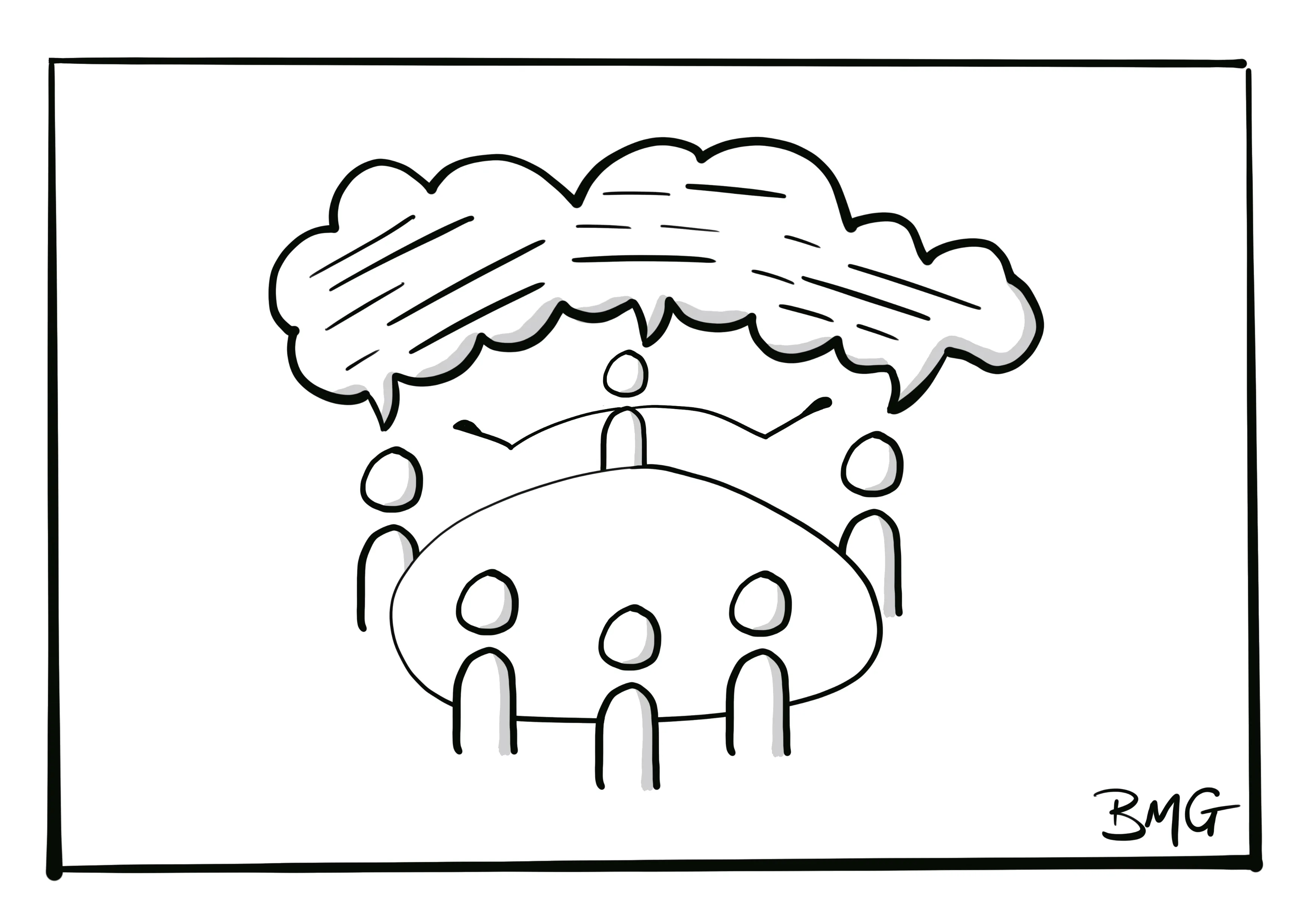
Few concepts are as powerful (yet often misunderstood) as the art of influence.
Whether you’re guiding a team through challenging projects, inspiring colleagues to embrace a new direction, or simply looking to deepen the connections within your organisation, understanding how to ethically and effectively influence others is a skill that can drive remarkable results.
In this series, we will be drawing inspiration from Robert Cialdini’s classic work, Influence: The Psychology of Persuasion.
Cialdini’s book has long been considered a cornerstone in the study of human behaviour, exploring why people say “yes” and how to ethically apply these principles in everyday interactions. The insights within its pages can be transformational - not just for marketers or salespeople, but for anyone looking to lead with greater impact and authenticity.
Each article will focus on one of the seven key principles outlined by Cialdini:
Scarcity
Social Proof
Unity
We’ll dive deep into how these principles can be applied in leadership and team settings, offering examples and actionable strategies that you can implement to build and maintain stronger, more cohesive teams.
By understanding and leveraging these principles, you can maintain environments where trust, motivation, and collaboration flourish, creating a workplace culture that achieves goals with integrity and purpose.
Whether you’re new to Cialdini’s work or looking for a fresh perspective on his (now) timeless insights, this series is designed to provide practical tools and inspiration for leaders at every level.
Let’s embark on this journey together, exploring the subtle yet powerful ways in which influence can shape the way we lead, connect, and achieve.
Scarcity.
This principle, rooted in the psychology of loss aversion, drives people to act by emphasising what they might miss out on rather than what they stand to gain. In leadership and team dynamics, understanding and ethically applying scarcity can encourage focus, prioritisation, and urgency toward achieving shared goals.
Scarcity operates on a fundamental premise:
People value things more when they believe those things are in limited supply.
From deadlines to unique opportunities, scarcity taps into our instinct to act decisively when resources, time, or opportunities appear limited.
What is Scarcity?
As Cialdini explains in Influence, scarcity is a psychological principle that amplifies the perceived value of something simply because it’s rare, exclusive, or fleeting.

When people believe they might lose access to an opportunity or resource, they’re more likely to act quickly and decisively. Scarcity motivates action not through the promise of a reward but through the fear of missing out.
“The idea of potential loss plays a large role in human decision-making. In fact, people seem to be more motivated by the thought of losing something than by the thought of gaining something of equal value.” , Robert Cialdini
Cialdini highlights how this principle is evident in everyday life.
Limited-time offers, exclusive memberships, and “while supplies last” promotions are all tactics designed to leverage scarcity.
These tactics aren’t just for useful for marketing purposes; in leadership and team settings, scarcity can be a powerful motivator to create focus and urgency.
A quick pause
If this is helpful, the free guide goes deeper, and the newsletter brings ideas like this twice a week.
The Psychology Behind Scarcity
Scarcity is driven by two core psychological factors:
1. Loss Aversion:
People feel the pain of losing something more acutely than the pleasure of gaining it.
2. Social Proof:
When people perceive that others are also competing for the same limited resource, it reinforces their belief in its value.
These psychological drivers mean that scarcity doesn’t just make something more desirable - it makes it feel essential. In teams, leaders can leverage this principle to highlight the importance of opportunities, foster urgency, and focus attention on what truly matters.
Examples of Scarcity in Action
Time-Limited Opportunities
Scenario: A leader communicates that a particular training programme that they are very keen for their team to attend which is highly relevant to the team’s current goals, is only available for enrolment this month - at which time it will become unavailable for this team and opened up to the rest of the business.
Scarcity Effect: Team members will prioritise the training, recognising its value and act quickly to seize the opportunity. This urgency leads to stronger engagement with the programme and its outcomes because they have managed to get a place on a programme that will be unavailable to their peers.
Exclusive Access to Resources
Scenario: A manager offers early access to a new tool or system for a select group of team members, positioning it as a pilot programme with limited spots available.
Scarcity Effect: The exclusivity creates interest and excitement, motivating team members to engage with the tool enthusiastically, ultimately helping to prototype and refine the system before broader rollout.
*Side note, I have had some personal success with this tactic with the recent advent of AI tools and resources
Ethical Use of Scarcity
While scarcity is a powerful motivator, it must be applied ethically.
Manipulating team members by creating false scarcity - such as unnecessary deadlines or exaggerated stakes - can erode trust and backfire in the long term.
Instead, focus on highlighting genuine opportunities, critical timelines, or valuable resources that are limited by real constraints.
Scarcity works best when it’s authentic and clearly communicated.
For example, pointing out that time is limited for a specific project due to market conditions, or that certain resources are constrained by budget, allows team members to understand the stakes without feeling manipulated.
A very recent opportunity in my industry has a very finite window and the scarcity of the opportunity has paid real dividends in creating opportunities to think differently in my team. The business have been motivated to support my plans for the team, change our ways of working and rapidly deploy innovations that would otherwise have stagnated in business as usual.
If you look around now that you understand the principle, you will see ethical scarcity tactics deployed everywhere.
Conclusion
The principle of Scarcity is one of the most compelling ways to drive action, focus, and urgency.
As Cialdini demonstrates in Influence, people are naturally motivated to act when they perceive that time, resources, or opportunities are very limited. By applying this principle thoughtfully, leaders can inspire their teams to prioritise, commit, and deliver results with a sense of purpose.
Scarcity is effective because it taps into a fundamental human tendency: we are driven by the fear of missing out.
By framing opportunities around their uniqueness or time sensitivity, leaders can guide their teams to act decisively. However, the power of scarcity lies in its authenticity - when it reflects real constraints or stakes, it drives action in a way that feels both urgent and meaningful.
Used ethically, the principle of scarcity becomes a tool for focusing attention on what matters most, aligning team efforts with critical goals, and fostering a culture of proactive engagement.
Remember, the path to extraordinary is walked with a thousand small steps, you’re doing great!
Your Small Steps
How can I use scarcity without making team members feel manipulated?
Always highlight real constraints or stakes. For example, if a deadline is tied to external factors like market timing, communicate that clearly. Avoid creating false urgency, as it can damage trust and team morale.
How does scarcity improve team focus?
Scarcity narrows attention by emphasising what is most critical. When resources or time are limited, team members are more likely to prioritise their efforts on high-impact tasks, leading to better results.
Can scarcity be applied in remote or hybrid teams?
Absolutely. Use tools like time-sensitive project updates or exclusive access to resources in digital platforms. Highlight limited opportunities during virtual meetings or shared team spaces to foster urgency and engagement.
What are the risks of overusing scarcity in leadership?
Overusing scarcity or relying on artificial constraints can lead to burnout and mistrust. It’s essential to use this principle sparingly and authentically, ensuring that team members see the urgency as valid rather than contrived.
How can scarcity motivate long-term behaviour?
Scarcity can create lasting motivation when tied to genuine opportunities, like career advancement, training, or resource allocation. By framing these as rare or exclusive, leaders can encourage sustained focus and effort from their teams.

Barry Marshall-Graham
Executive coach and leadership advisor
Get the Difficult Conversations Guide
A practical resource for leaders who want to say the thing that needs saying, without burning bridges or avoiding the moment.
Keep reading
13 March 2026
The Weight of Unshared Doubt
Why senior leadership feels lonelier as you rise, and why confidence is often just unshared doubt.

9 March 2026
Why Your Best Advice is the Problem
Why the rush to fix others is actually a specific insecurity, and how to stop.

6 March 2026
The Weight in Your Voice
Your words carry more weight than you realise. Calm authority is often a matter of pace, tone, and the courage to name what matters.

2 March 2026
The Quiet Drift You Inherit
Inherited teams rarely collapse in a moment. They drift. Resetting standards isn't about being harsh, it's about clarity, dignity, and trust.

27 February 2026
When Everyone Owns It
Shared ownership sounds healthy, but when everyone owns a decision, nobody owns the decision. Clarity needs a single accountable owner.
23 February 2026
The Private Ledger of Leadership
Senior leaders carry a private ledger of risks, promises, and people. Naming that inner load isn't weakness, it's how you lead without breaking.

20 February 2026
The Avoided Conversation Is a Decision
The conversation you're avoiding isn't neutral. It's a decision to let the current pattern continue, and that decision shapes the culture.

16 February 2026
Calm Authority in Tense Rooms
Authority isn't volume or force. It's the ability to hold a tense room steady, name what matters, and set a clear boundary without heat.

13 February 2026
The First Small Tolerance
Standards rarely collapse in a moment. They slip through the first small tolerance you let pass, then the next one feels easier.

9 February 2026
The Decision Vacuum
When decision rights are unclear, every meeting becomes a referendum. Clarity is less about answers and more about who owns the call.
