The Flow State - Transform Your Work, Life, and Mindset
13 December 2024
How to Unlock Peak Performance Through Focused Immersion

Flow is an absolutely fascinating mental state where we feel fully immersed and focused on what we are doing. We have all experienced that feeling at one point or another, where the world around us disappears in our peripheral and real time appears to disappear in the blink of an eye.
Before you know it, the task at hand is complete - and we’re never quite sure how … or why.
In a business setting, flow can be transformative … a period of true flow is mesmerising to behold.
Understanding how to achieve and maintain flow state in the workplace can help individuals and teams unlock their full potential, improve productivity, and boost performance in incredible ways.
The role of any leader is to remove as many roadblocks and obstacles as possible and create simple processes and buildings to give their teams their very best chance of flow.
Every. Single. Day.
Key Takeaways
Flow is a state of complete focus and enjoyment in an activity, leading to enhanced performance and greater job satisfaction.
Achieving flow requires the right balance between challenge and skill, clear goals, and timely feedback.
Flow can be experienced in various professional settings, from solo deep work to team collaborations.
Understanding Flow
Historical Background and Key Researchers
The concept of flow was popularised by psychologist Mihaly Csikszentmihalyi (easy for you to say) in the 1970s.
He researched how people experience joy and immersion in their work.
His findings demonstrated that flow can occur in various environments, including business, where people feel most fulfilled when their work is challenging yet manageable.
The Neuroscience Behind Flow
When employees are in a state of flow, their brains release chemicals like dopamine, which increase motivation and focus. This neurological boost enhances creativity, problem-solving abilities, and overall work enjoyment, leading to a more productive and positive work environment.
Andrew Huberman, the popular YouTube Neuroscientist, says that Flow is an expression of what you have already learned.
What I take from this statement is that in order to achieve real flow, you have already reached a place of mastery in your work and can enter flow readily based on that expertise.
Huberman is also a strong believer in the physiological deep sigh, which is a double inhale (to fill your lungs to their absolute capacity) followed by a slow single exhale. It is, according to Huberman, the single fastest way to achieve calm - and for the record, I agree with him.
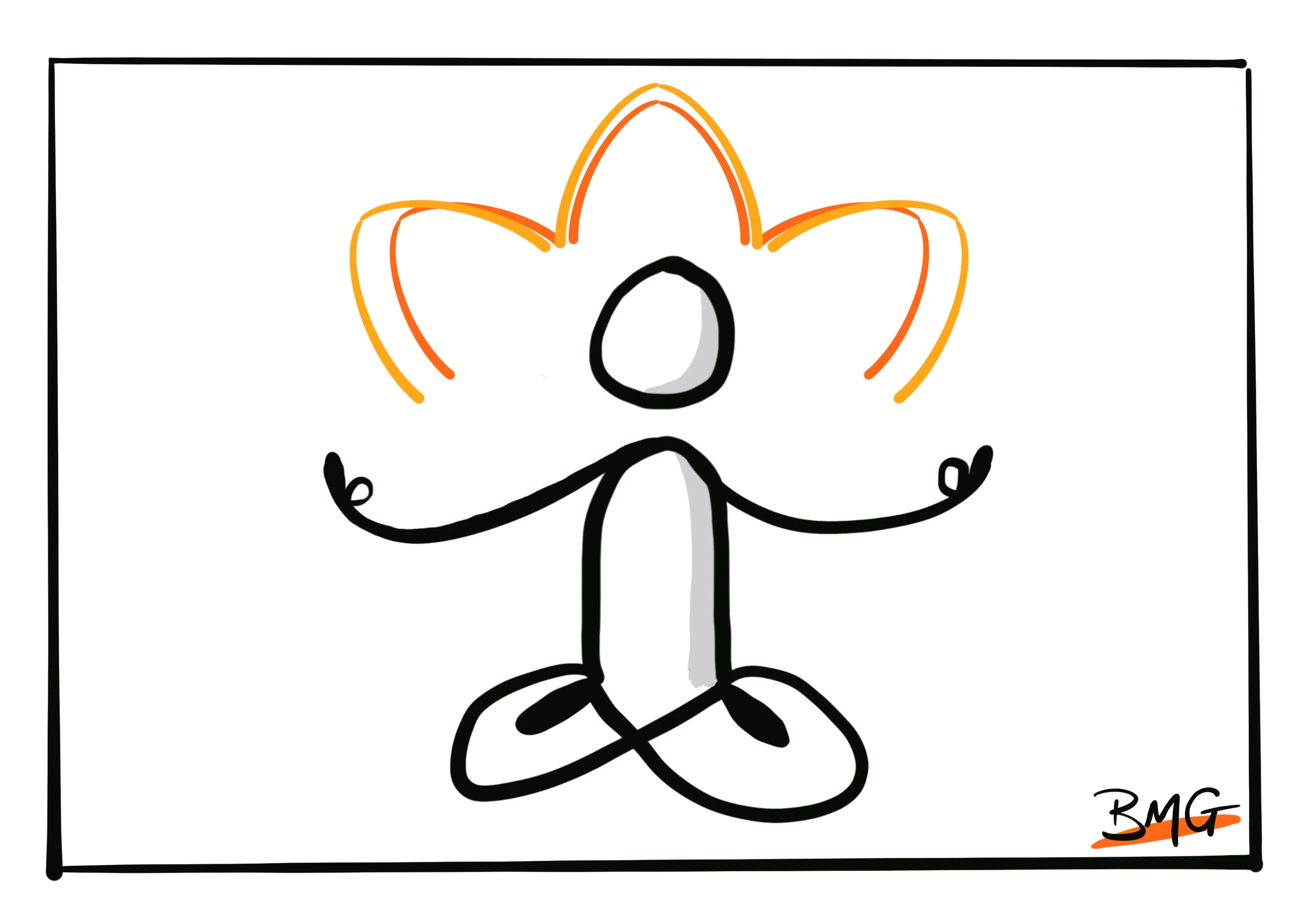
Give it a try the very next time you are about to embark into a state of flow.
Close your eyes and breath normally to settle your heart rate
Once settled, draw in as much air as you can in a single breath and hold for a fraction of a second
Then draw in more (there is always room for a little more)
Then slowly exhale through pursed lips and open your eyes
Let me know in the comments how you get on.
Common Misconceptions About Flow
Many believe this level of focus and flow is reserved for high-level athletes, but this state can be achieved in any workplace setting.
Whether one is engaged in a detailed data analysis or leading a team discussion, flow can elevate your output and satisfaction. The key is finding the right alignment between challenge and skill.
Flow is not just a rare experience; in a well-structured team environment, and in the right conditions, it can be a regular part of daily operations.
Defining Flow - Characteristics and Components
The characteristics and components of flow, as identified by Mihaly Csikszentmihalyi and further explored in various studies, describe the specific mental, emotional, and physical experiences associated with being in this state of deep focus.
These characteristics are universal and can be applied in personal, creative, athletic, or professional contexts. Here are the key characteristics and components:
1. Intense Focus
Individuals in a flow state are fully immersed in the task at hand. Their attention is completely absorbed, and they are deeply concentrated, blocking out distractions from the external environment and their immediate surroundings.
2. Merging of Action and Awareness
In flow, there’s a seamless connection between thinking and doing. Participants become one with their activity, often feeling like their actions are automatic and without conscious effort.
3. Clear Goals
A sense of purpose is essential for flow. People in flow are clear about what they are trying to achieve and have everything they need to complete the task at hand, whether it’s part of a work project or continuing to master a skill. These goals provide direction and focus during the activity.
4. Immediate Feedback
Flow requires a feedback loop where individuals can gauge their progress and adjust accordingly. This could be feedback from the task itself, such as the results of a project, or external feedback from others, which helps maintain engagement and motivation.
5. Balance Between Challenge and Skill
Flow occurs when the difficulty of the task is well-matched to the individual’s skills. If the task is too easy, it leads to boredom; if too difficult, it leads to anxiety. The sweet spot is where the challenge pushes the individual but remains manageable with their existing skills.
6. Loss of Self-Consciousness
In flow, individuals lose their sense of self-awareness and concern about judgment or failure. They are so focused on the task that there’s little room for ego or self-reflection, leading to a liberating and immersive experience.
7. Sense of Control
People in flow often feel a sense of control over their actions and the task they are performing. This sense of control comes from knowing they have the skills to meet the task’s challenges, which creates confidence and calmness during the activity.
8. Time Distortion
Time may seem to either speed up or slow down during flow. Many people in flow report losing track of time as they become absorbed in their work, often surprised at how much or how little time has passed.
9. Effortlessness and Ease
While flow requires focus, individuals in flow often feel as if the task is effortless. The process feels natural, and actions flow smoothly without resistance or fatigue. This is often described as being “in the zone.”
10. Intrinsic Motivation
Flow is driven by intrinsic motivation, meaning that participants engage in the task for the sake of the activity itself, not for external rewards. The experience of flow is inherently rewarding, providing a deep sense of satisfaction and fulfilment.
Achieving and Maintaining Flow in Business
Triggers and Conditions for Entering Flow
To create and maintain flow in the workplace, certain conditions need to be present:
Engagement: Employees need to care deeply about their work and its impact.
Challenge Level: Tasks should stretch an individual’s abilities but not overwhelm them.
Skill Alignment: People need to use their strengths and competencies to feel confident and focused.
Process Focus: Encourage teams to enjoy the journey of problem-solving rather than just fixating on outcomes.
A quick pause
If this is helpful, the free guide goes deeper, and the newsletter brings ideas like this twice a week.
Practical Techniques to Induce Flow in Teams
Businesses can adopt specific strategies to help individuals and teams achieve flow:
Set Clear Objectives: Ensure employees know exactly what success looks like and the role they play in achieving it.
Create Rituals for Focus: Encourage practices such as a morning quiet period or daily stand-ups to help employees prepare mentally for deep work.
Minimise Distractions: Implement policies like ‘no-meeting afternoons’ or focus blocks to help people concentrate on their most important work.
Leverage Peak Times: Identify when employees or teams are most productive and schedule key tasks or meetings during these times.
The Role of Feedback and Goals
Regular feedback is crucial for maintaining flow.
Here’s why:
Clear, Measurable Goals: Employees perform best when they understand their objectives and have measurable outcomes to guide them.
Timely Feedback: Frequent and constructive feedback keeps people engaged and allows for course correction.
Autonomy and Control: Empowering employees to make decisions in their work enhances ownership and drives deeper focus.
Overcoming Barriers to Flow in Business
While flow is powerful, it can be elusive in a business environment. To overcome common obstacles:
Manage Interruptions: Create a culture that respects deep work, reducing unnecessary meetings or ad-hoc interruptions.
Push Through Boredom: Encourage persistence during challenging or mundane tasks, as flow often comes after breaking through initial resistance.
Foster Mindfulness: Incorporating mindfulness techniques can help employees stay present and engaged, especially during high-stress periods.
Achieving flow in business is about fostering an environment that values focus, creativity, and clear goals, which in turn leads to a culture of high performance and satisfaction.
Flow in Different Business Contexts
Flow in Individual Work
Flow is often associated with solitary, focused work whether drafting a strategic plan, coding a new feature, or analysing data.
Consider these scenarios:
Deep Focus: Employees immerse themselves in their tasks, often producing their best work during these flow states.
Efficiency: With distractions minimised, flow can lead to faster completion of high-quality work.
Personal Fulfilment: Teams report higher job satisfaction when they can frequently engage in flow.
Flow in Team Collaboration
Flow isn’t just for individual tasks; it can also be experienced in collaborative settings where the synergy between team members drives heightened focus and productivity.
Key elements of flow in teams include:
Shared Goals: When teams have a clear, collective vision, they can achieve flow together, moving seamlessly through tasks.
Positive Feedback Loops: Continuous feedback within the group fosters ongoing motivation and engagement.
Complementary Skills: Teams where each member brings unique strengths are more likely to experience collective flow.
When teams achieve flow, the results are extraordinary,high-quality outputs, greater innovation, and a deeply satisfying sense of progress.
Flow in Leadership
For leaders, achieving flow can be transformative.
Leaders who consistently operate in flow harness their full cognitive and emotional resources, making them better equipped to navigate complexity and uncertainty.
This state allows leaders to approach challenges with clarity, creativity, and confidence, enabling them to unlock higher levels of performance for themselves and their teams.
Moreover, when leaders operate in flow, they model behaviours that inspire trust and motivation, setting the tone for a high-performing working environment.
Key elements of flow in leadership include:
Clear Vision: Leaders who articulate a compelling and focused vision provide their teams with a clear direction, creating alignment and momentum.
Strategic Focus: Leaders in flow effectively balance competing priorities, ensuring resources and energy are directed towards the most impactful actions.
Authentic Communication: Flow enhances a leader’s ability to communicate with clarity and authenticity, creating and maintaining trust and cohesion within the team.
When leaders achieve flow, the impact is profound! Decisions are made with precision, team dynamics improve, and organisational performance reaches new heights.
Moreover, leaders who model flow create a ripple effect, encouraging their teams to pursue excellence and achieve a shared sense of progress and purpose.
The Benefits and Applications of Flow in Business
Enhanced Performance and Productivity
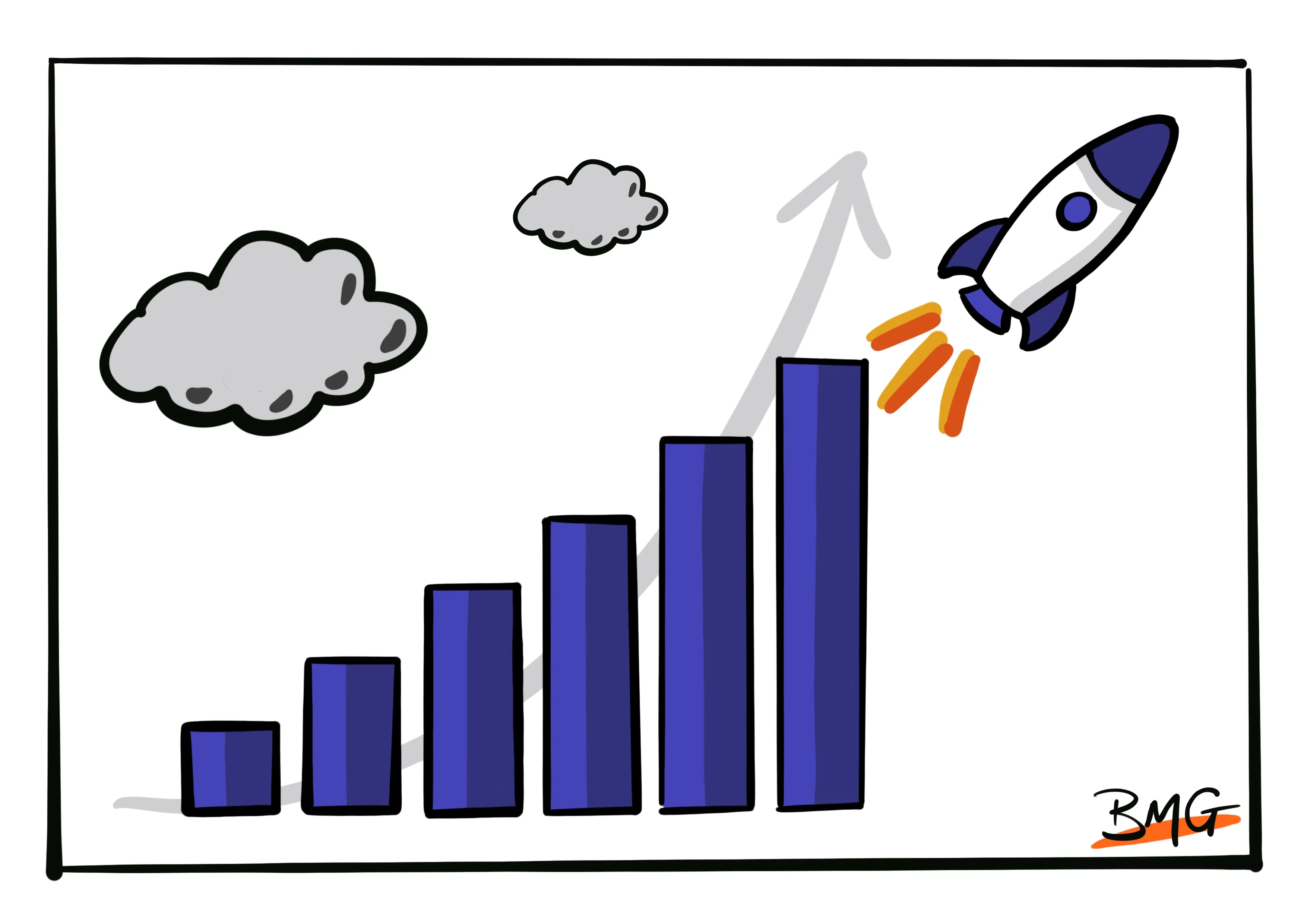
Flow can dramatically improve how individuals and teams perform at work. When employees or teams are in flow, they experience:
• Increased focus and efficiency
• Faster problem-solving and innovation
• Greater job satisfaction and team cohesion
Employee Well-being and Engagement
Beyond performance, flow contributes to better employee well-being. Experiencing flow regularly can:
Reduce burnout and stress
Increase feelings of accomplishment and happiness at work
Foster a greater sense of purpose and engagement
Organisational Success
A business that prioritises flow not only boosts individual performance but also drives long-term success. By cultivating an environment where flow can flourish, organisations can benefit from:
Higher employee retention and morale
Improved customer satisfaction through more engaged and creative employees
A competitive edge through consistent innovation and high productivity
Flow is a catalyst for both individual and organisational growth. By embedding flow into your company’s culture, you create a pathway for sustained success.
Conclusion
Flow is an extraordinary mental state where focus, enjoyment, and productivity merge seamlessly. It empowers individuals to achieve their best work, fuels team collaboration, and enhances leadership effectiveness.
By understanding the conditions that foster flow: such as balancing challenge with skill, maintaining clear goals, and creating positive feedback loops, leaders can unlock unprecedented potential across their organisations.
You should note that achieving flow requires intentionality.
Leaders must remove obstacles, simplify processes, and foster an environment that supports focus and creativity. Flow is not limited to high performers or specific tasks; it is accessible to all, whether in individual deep work, dynamic team collaborations, or strategic leadership decisions.
When flow becomes a regular feature of workplace culture, the results are transformative. Teams operate at peak performance, innovation thrives, and your colleagues experience deep satisfaction and purpose.
By embracing and cultivating flow organisationally, we can position ourselves for sustained growth, resilience, and success.
Remember, the path to extraordinary is walked with a thousand small steps, you’re doing great!
Your Small Steps
What is flow, and how does it apply to the workplace?
Flow is a mental state where individuals are fully immersed in a task, experiencing deep focus and enjoyment. In the workplace, flow can help employees achieve higher productivity, better creativity, and greater job satisfaction. Teams and leaders can also experience flow, leading to enhanced collaboration and performance.
How can I help my team experience flow during collaborative work?
To foster flow in a team setting, ensure that everyone has a clear understanding of shared goals, individual roles, and responsibilities. Encourage open feedback, leverage the strengths of each team member, and minimise distractions. Creating an environment where team members feel supported and aligned towards a common objective is key.
What are the main conditions needed to achieve flow at work?
The primary conditions for achieving flow include:
Engaging tasks that challenge employees but are within their skill set.
Clear goals and objectives.
Timely and constructive feedback.
A distraction-free environment that allows for deep concentration.
How does flow improve performance and productivity in business?
Flow enhances performance by allowing individuals and teams to focus deeply on their tasks, resulting in higher-quality work done more efficiently. Flow also boosts creativity and problem-solving abilities, leading to faster innovation. Over time, a flow-friendly environment improves overall productivity and job satisfaction.
Can flow be cultivated regularly, or is it a rare occurrence?
Flow can be cultivated regularly by designing tasks and environments that support deep engagement. Encouraging routines that promote focus, providing clear goals, and offering frequent feedback can help employees and teams experience flow more consistently.
How can I overcome distractions that prevent flow at work?
To overcome distractions, create dedicated blocks of time for focused work, reduce unnecessary meetings, and encourage your team to minimise multitasking. You can also introduce techniques like mindfulness to help employees maintain focus and attention during work.
What are the benefits of achieving flow for employee well-being?
Flow contributes to better mental health by reducing stress and anxiety. Employees who experience flow regularly feel more fulfilled and engaged in their work, leading to increased happiness, a greater sense of accomplishment, and a lower likelihood of burnout.
How can leaders support flow in their teams?
Leaders can support flow by providing clear direction, offering regular feedback, empowering employees with autonomy, and fostering a positive work environment. Encouraging a culture that values focus and creativity is essential for enabling teams to achieve flow.

Barry Marshall-Graham
Executive coach and leadership advisor
Get the Difficult Conversations Guide
A practical resource for leaders who want to say the thing that needs saying, without burning bridges or avoiding the moment.
Keep reading
13 March 2026
The Weight of Unshared Doubt
Why senior leadership feels lonelier as you rise, and why confidence is often just unshared doubt.
9 March 2026
Why Your Best Advice is the Problem
Why the rush to fix others is actually a specific insecurity, and how to stop.

6 March 2026
The Weight in Your Voice
Your words carry more weight than you realise. Calm authority is often a matter of pace, tone, and the courage to name what matters.

2 March 2026
The Quiet Drift You Inherit
Inherited teams rarely collapse in a moment. They drift. Resetting standards isn't about being harsh, it's about clarity, dignity, and trust.
27 February 2026
When Everyone Owns It
Shared ownership sounds healthy, but when everyone owns a decision, nobody owns the decision. Clarity needs a single accountable owner.
23 February 2026
The Private Ledger of Leadership
Senior leaders carry a private ledger of risks, promises, and people. Naming that inner load isn't weakness, it's how you lead without breaking.

20 February 2026
The Avoided Conversation Is a Decision
The conversation you're avoiding isn't neutral. It's a decision to let the current pattern continue, and that decision shapes the culture.

16 February 2026
Calm Authority in Tense Rooms
Authority isn't volume or force. It's the ability to hold a tense room steady, name what matters, and set a clear boundary without heat.

13 February 2026
The First Small Tolerance
Standards rarely collapse in a moment. They slip through the first small tolerance you let pass, then the next one feels easier.

9 February 2026
The Decision Vacuum
When decision rights are unclear, every meeting becomes a referendum. Clarity is less about answers and more about who owns the call.
