The Pause That Powers Progress
10 January 2025
Why Reflection May Be Your Secret To Success
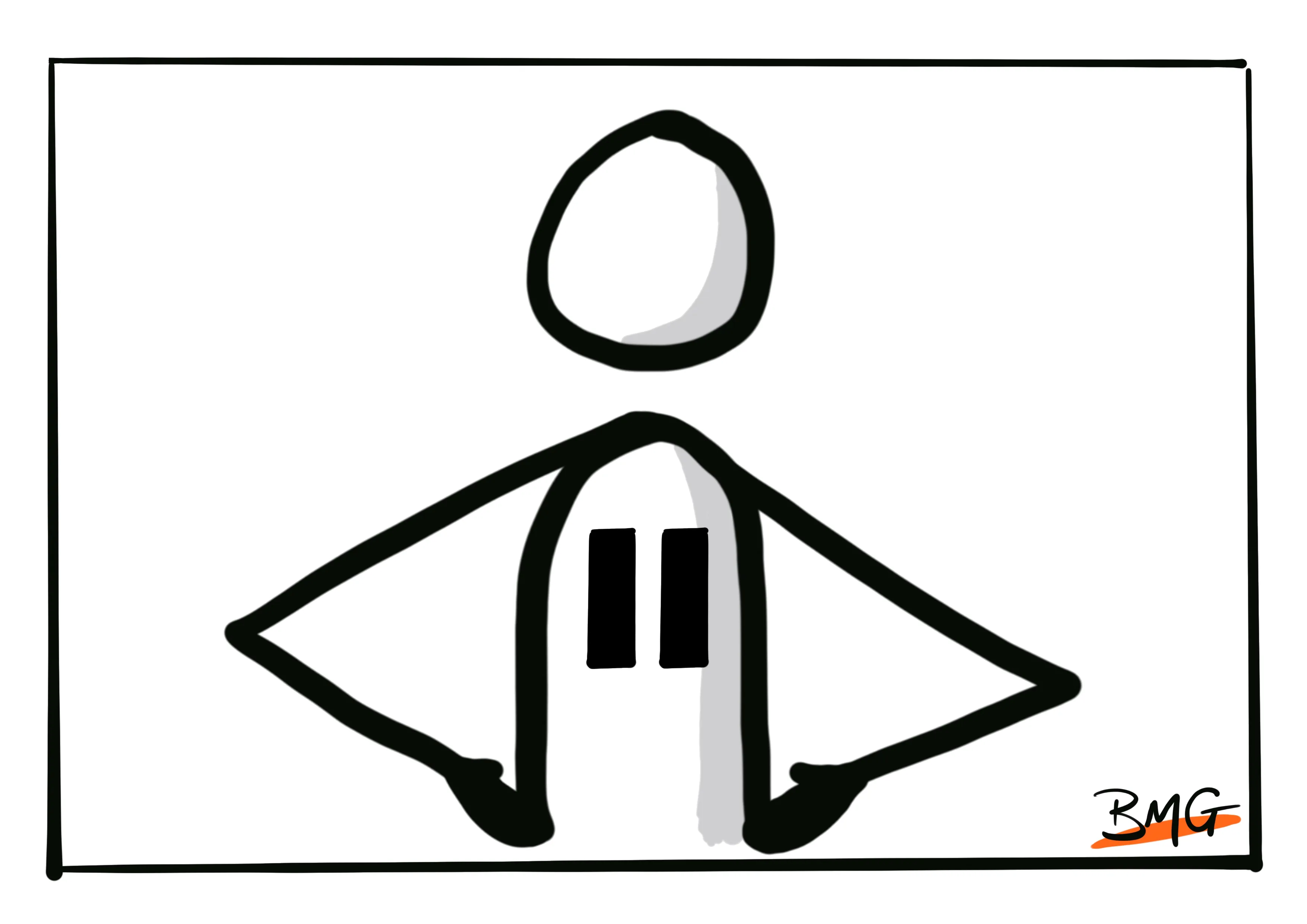
It’s always very tempting to leap forward with ambitious plans, fuelled by the excitement of a clean slate - especially at this, the time of writing, being the start of a New Year.
Resolutions are made, goals are set, and we forge ahead with the hope of transformation. But what if the most important step we could take isn’t forward, but backward?
What if success begins not with action, but with a pause?
In my experience, the moments where I’ve made the greatest progress have rarely been the ones where I charged ahead blindly. They’ve been the moments where I stopped, looked back, and taken the time to understand the path that brought me here.
Reflection isn’t just a luxury … it’s a necessity … like the bow that must bend before the arrow can fly.
The Power of Reflection
Our culture often glorifies busyness, and in that context reflection often feels counterintuitive. The world appears to push us to do more, achieve more, and be more, but rarely does it encourage us to pause and assess where we’re going … or why.
Yet, without reflection, we risk moving through life on autopilot, chasing goals that might not even align with what truly matters to us.
Reflection gives us clarity. It allows us to celebrate our wins, learn from our missteps, and recalibrate our direction.
It’s not about dwelling on the past but learning from it. Using that learning as a guide to fully inform our next steps.
Three Questions to Frame Your Reflection
As you read this, I invite you to take a moment for reflection.
You don’t need elaborate tools or hours of solitude. All it takes is the courage to look back and ask yourself three simple questions:
What went well?
Think about your successes - big and small. What moments brought you joy, pride, or fulfilment? These are your guideposts, pointing you toward the habits, relationships, and pursuits worth carrying forward.
What could have gone better?
Be honest about the challenges you faced. Were there areas where you fell short or struggled? Reflection isn’t about self-criticism; it’s about recognising patterns and understanding where growth is needed.
What do I want to carry forward?
As you look ahead, consider the lessons, habits, and values that will shape your journey. This isn’t about setting resolute big hairy goals, more about clarifying your intent.
The Science of Reflection
Research supports what many of us intuitively know: reflection is a powerful tool for growth. Studies show that taking time to pause and reflect enhances decision-making, improves emotional resilience, and strengthens our ability to adapt to change.
It’s no wonder that many of the world’s most successful leaders and thinkers prioritise regular reflection … but the benefits of reflection aren’t just intellectual.
On a personal level, it provides a sense of closure for the past and clarity for the future. It helps us identify what truly matters, so we can focus our energy on the things that align with our values.
Building a Reflection Practice
Reflection doesn’t have to be a grand undertaking. In fact, the simpler it is, the more likely you are to stick with it.
Here are a few ways to make reflection a regular part of your life:
Write it down: Set aside 10 minutes to write down your thoughts at the end of the week. Use the three questions above as prompts.
Mindful Moments: Take a walk in nature, meditate, or sit quietly with your thoughts. Let your mind wander, and notice what insights arise.
Weekly Reviews: Dedicate time each week to review your progress and set intentions for the days ahead. Pair this habit with an existing routine, like your Sunday morning coffee.
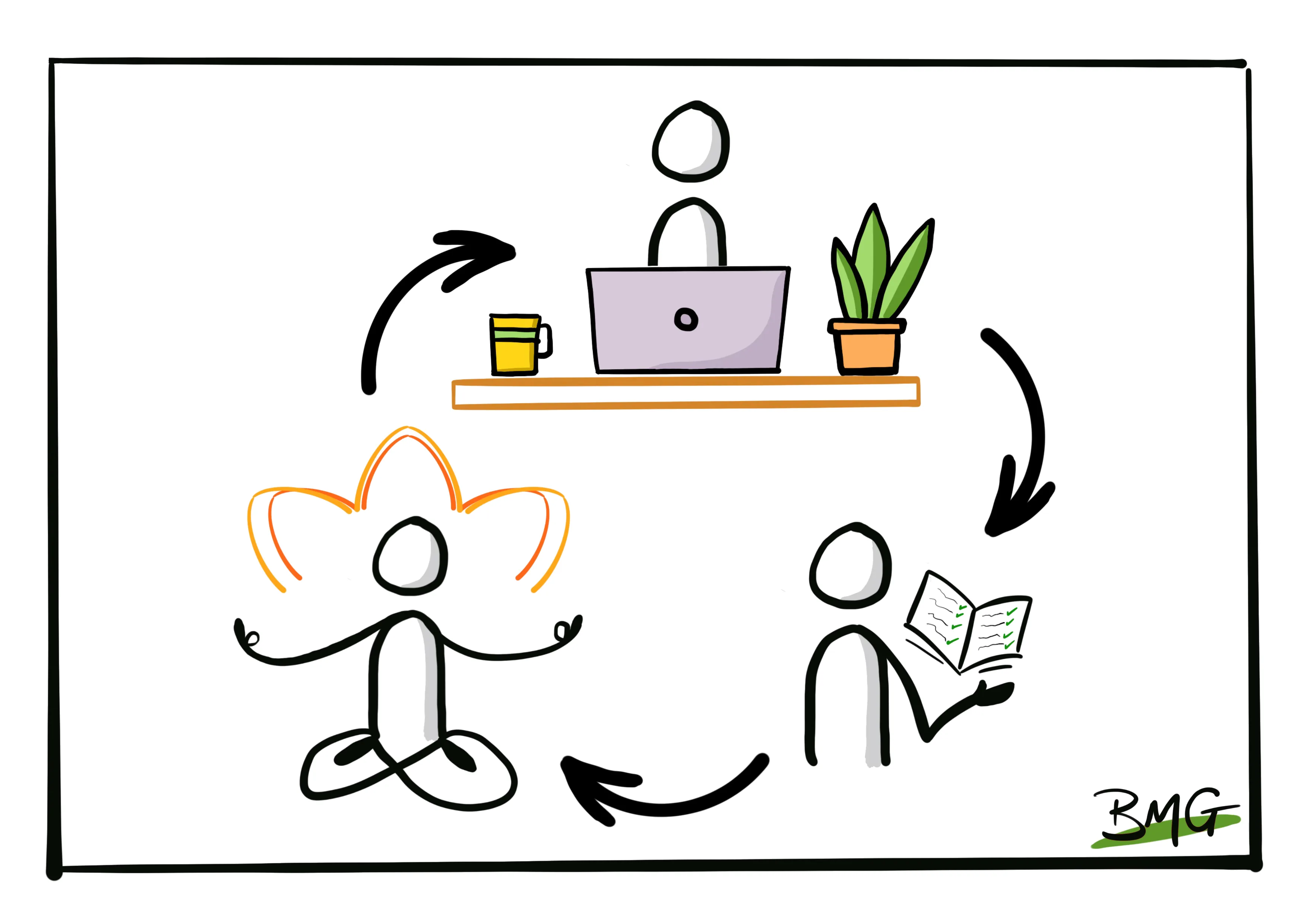
A quick pause
If this is helpful, the free guide goes deeper, and the newsletter brings ideas like this twice a week.
Reflection in Leadership
Reflection isn’t just a personal practice; it’s a powerful leadership tool.
The best leaders I’ve worked with are those who make time to reflect … not just on their own actions, but on the dynamics of their teams and the goals of their business.
Reflection creates self-awareness, which is the foundation of emotional intelligence. It helps leaders make better decisions, build stronger relationships, and maintain the environments where others can thrive.
As a leader, when you reflect, you model the importance of growth and learning for those around you.
Never forget that.
The Courage to Pause
When we are often encouraged to thrive on speed, productivity, and relentless forward motion, the act of pausing can feel radical … almost rebellious.
It goes against the grain of the “new year, new me” mentality pushed down our throats on social media that pressures us to fill every moment with resolutions, plans, and action. But there’s immense power in stepping back, taking a deep inhale, and creating space for reflection.
It’s in those very pauses that we find the wisdom to move forward - not with haste, but with purpose. When we pause, we allow ourselves to absorb the lessons of the past, recognise patterns, and set a direction rooted in intention rather than impulse.
Pausing is not procrastination; it’s preparation. It’s the quiet, deliberate act of equipping ourselves properly for a meaningful journey.
So, resist the urge to rush into anything with frantic energy. There’s no race to win and no prize for starting first. Instead, take a moment to pause. Reflect on the time that’s passed … not just the highs and lows, but the moments in between where growth quietly unfolded. Celebrate your progress, no matter how small, and let that celebration be the foundation for your next steps.
Use this quiet time to set intentions that align with the person you want to become. Not the person you think you should be or the person others expect you to be, but the version of you that feels true, grounded, and aligned with your values. This alignment will guide your choices and actions, helping you build a plan that feels purposeful and fulfilling.
Remember, progress isn’t just about moving forward.
Sometimes, it’s about looking back and finding the clarity to take the next step. The courage to pause is the courage to honour the journey you’re on. Not rushing to the finish line, but embracing every step, every lesson, and every moment along the way.
This is where true growth begins.
In this pause, you’ll find your power.
Remember, the path to extraordinary is walked with a thousand small steps, you’re doing great!
Your Small Steps
Why is reflection important?
Reflection helps us understand our past experiences, celebrate successes, and learn from challenges. It provides clarity and direction, ensuring that the goals and intentions we set align with our values and priorities.
How is reflection different from overthinking or dwelling on the past?
Reflection is a purposeful and constructive process. It focuses on learning from the past and using those lessons to move forward. Overthinking, by contrast, tends to dwell on mistakes or uncertainties without actionable insights, often leading to stress or indecision.
What are the benefits of reflection for personal growth?
Reflection enhances self-awareness, improves decision-making, and helps us identify what truly matters. It can boost emotional resilience, clarify our goals, and create a sense of purpose and alignment in our lives.
Having reflected, what if I feel little has been accomplished?
Reflection isn’t about finding perfection; it’s about recognising progress, no matter how small. Celebrate those small wins, and focus on what you’ve learned or how you’ve grown, even in difficult circumstances. Every step forward counts.
How does reflection apply to leadership?
Reflection helps leaders develop self-awareness, understand team dynamics, and make better decisions. It creates emotional intelligence, strengthens relationships, and sets an example of continuous growth for the team.
What tools or prompts can I use to reflect effectively?
Use simple prompts like:
What went well?
What could have gone better?
What do I want to carry forward?
Tools like journaling apps, voice memos, or even sticky notes can be effective for capturing your thoughts.
How can I balance reflection with action?
Reflection and action go hand-in-hand. Regular reflection ensures your actions are aligned with your values and priorities, making them more effective. Set aside dedicated time for reflection, but also commit to small, actionable steps that move you toward your goals.

Barry Marshall-Graham
Executive coach and leadership advisor
Get the Difficult Conversations Guide
A practical resource for leaders who want to say the thing that needs saying, without burning bridges or avoiding the moment.
Keep reading
13 March 2026
The Weight of Unshared Doubt
Why senior leadership feels lonelier as you rise, and why confidence is often just unshared doubt.
9 March 2026
Why Your Best Advice is the Problem
Why the rush to fix others is actually a specific insecurity, and how to stop.
6 March 2026
The Weight in Your Voice
Your words carry more weight than you realise. Calm authority is often a matter of pace, tone, and the courage to name what matters.

2 March 2026
The Quiet Drift You Inherit
Inherited teams rarely collapse in a moment. They drift. Resetting standards isn't about being harsh, it's about clarity, dignity, and trust.
27 February 2026
When Everyone Owns It
Shared ownership sounds healthy, but when everyone owns a decision, nobody owns the decision. Clarity needs a single accountable owner.
23 February 2026
The Private Ledger of Leadership
Senior leaders carry a private ledger of risks, promises, and people. Naming that inner load isn't weakness, it's how you lead without breaking.

20 February 2026
The Avoided Conversation Is a Decision
The conversation you're avoiding isn't neutral. It's a decision to let the current pattern continue, and that decision shapes the culture.

16 February 2026
Calm Authority in Tense Rooms
Authority isn't volume or force. It's the ability to hold a tense room steady, name what matters, and set a clear boundary without heat.

13 February 2026
The First Small Tolerance
Standards rarely collapse in a moment. They slip through the first small tolerance you let pass, then the next one feels easier.
9 February 2026
The Decision Vacuum
When decision rights are unclear, every meeting becomes a referendum. Clarity is less about answers and more about who owns the call.
