The Power of Responsibility
17 January 2025
Moving Beyond Fault to Embrace Growth on Your Personal Development Path
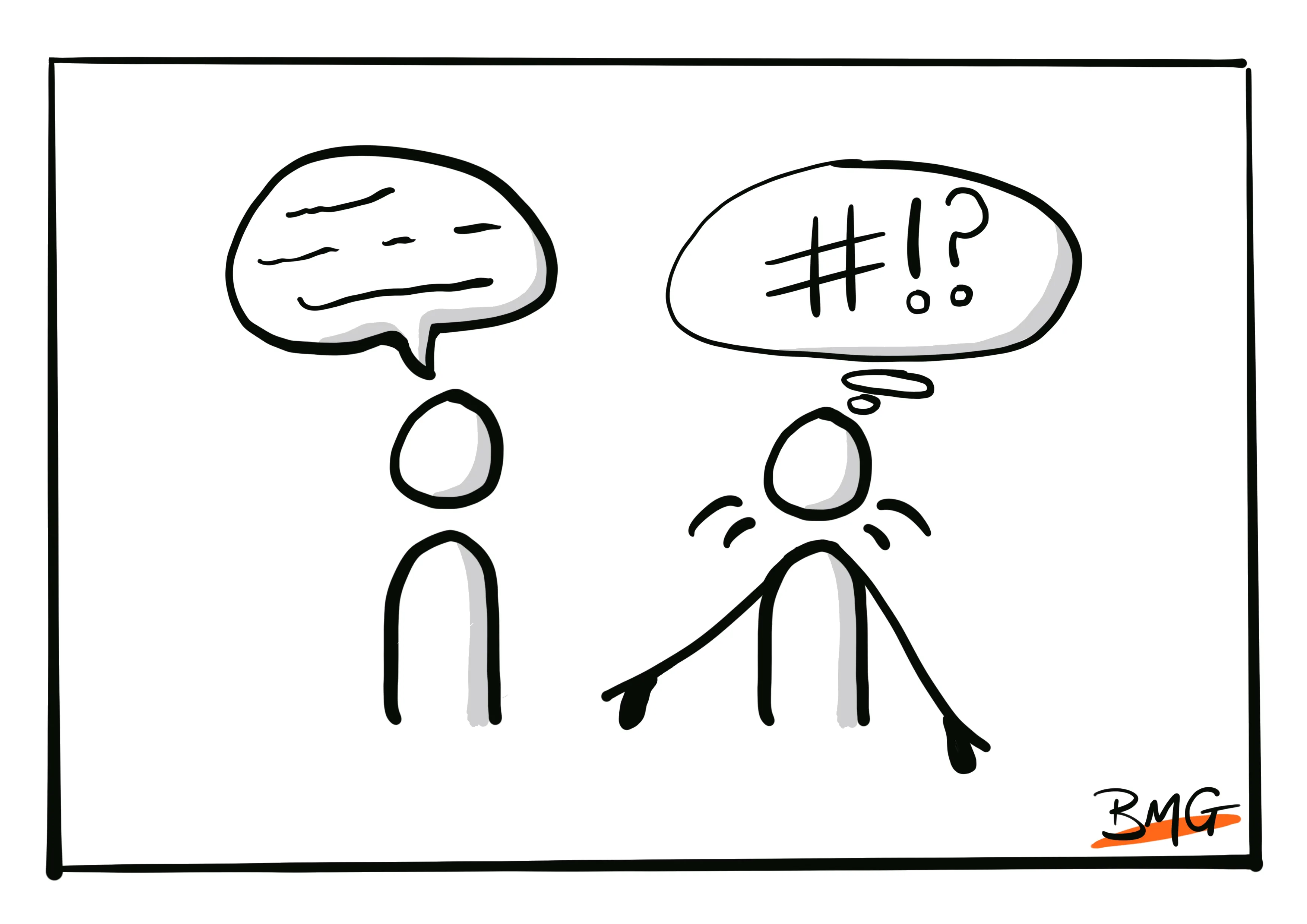
Growth,whether personal or professional,is rarely linear.
Life throws challenges our way, some predictable, others unexpected.
In these moments, it’s instinctive to analyse what went wrong and assign blame. But while understanding the origins of a problem has its place, growth is far more dependent on what comes next.
There’s a critical distinction between identifying fault and embracing responsibility. It’s a distinction that can dramatically influence how we respond to adversity and whether we allow it to define us or refine us.
Understanding the Difference: Fault vs Responsibility
Let’s start by defining the two:
Fault is retrospective. It’s about identifying who or what caused a problem. It’s often tied to blame and focuses on the past. Fault feels final as it identifies what went wrong … but offers no pathway forward.
Responsibility, by contrast, is about ownership. It shifts the focus from what happened to what happens next. Responsibility doesn’t ignore the past, but it doesn’t dwell there. It’s action-oriented, emphasising solutions, growth, and resilience.
This distinction is vital.
When we default to fault-finding, we limit ourselves to reactions: frustration, defensiveness, and, often, inaction.
When we embrace responsibility, we open the door to agency, progress, and empowerment.
The Fault-Finding Trap
It’s tempting to dwell on fault because it feels like closure.
If you can pinpoint the cause, it feels like you’ve done the work. But fault-finding often keeps us stuck.
Here’s why:
It reinforces a Victim Mentality. When we focus solely on fault, we risk placing ourselves in the role of the victim. “This isn’t my fault” can easily spiral into “This isn’t my problem.” It creates a sense of powerlessness, where external factors dictate outcomes, leaving us feeling stuck and defeated.
It Hinders Growth. Growth requires action, but fault-finding is inherently passive. It doesn’t invite solutions or change; it merely identifies problems. By staying in this mindset, we miss opportunities to learn, adapt, and improve.
It Creates a Culture of Blame. In teams or organisations, a focus on fault often creates an environment of defensiveness. When blame takes precedence, collaboration falters, and the drive to innovate or take risks diminishes.
It Distracts from Solutions. Time spent assigning fault is time not spent solving the problem. It diverts energy away from progress and leaves issues unresolved for longer than necessary.
While it’s important to understand what went wrong to avoid repeating mistakes, stopping at fault-finding is a dead end.
The Strength of Responsibility
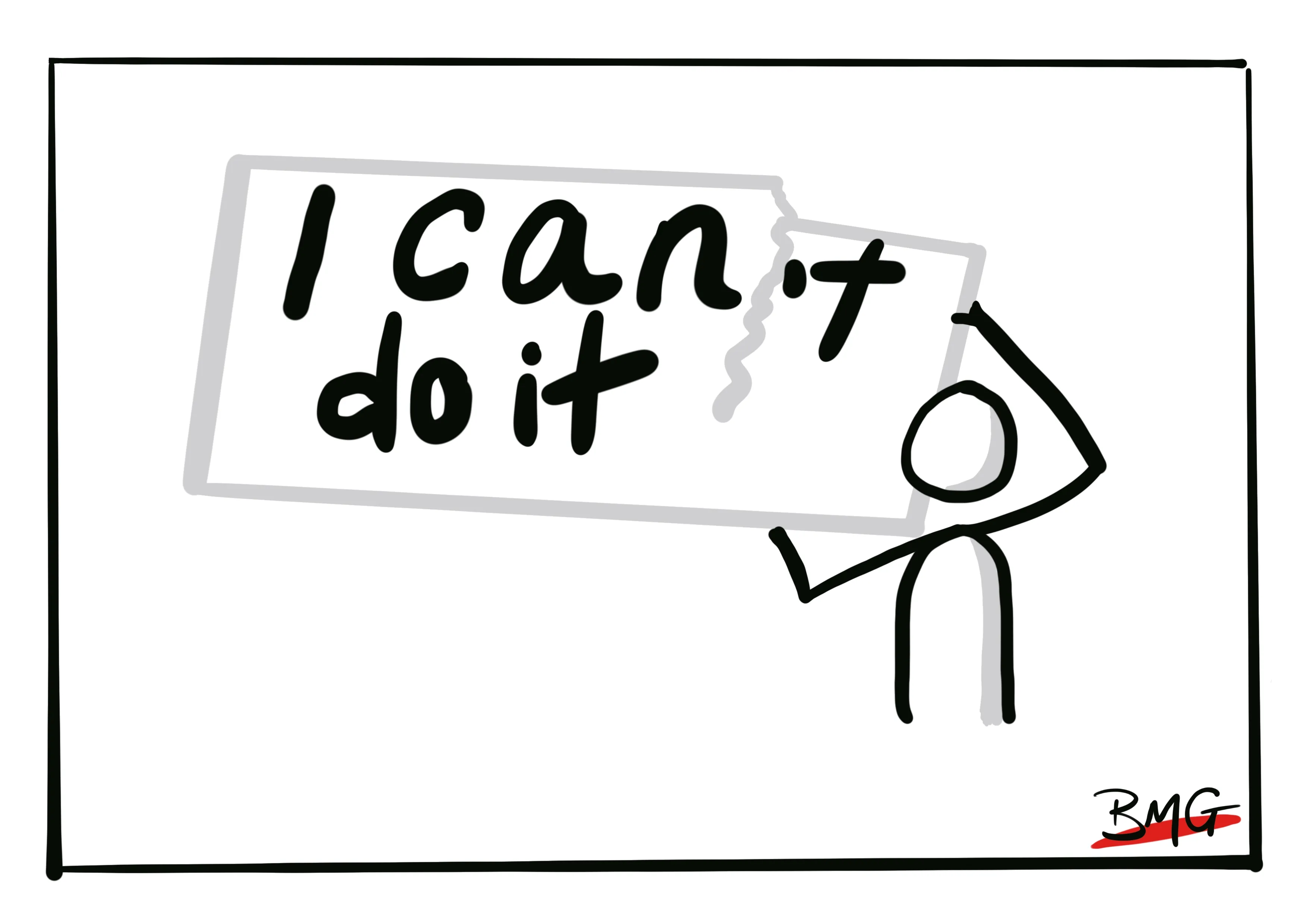
Responsibility, on the other hand, is a mindset of ownership.
It says: “This may not have been my fault, but it is within my power to act.”
It empowers us to move forward, regardless of the past, by focusing on what we can control and influence.
Here’s why responsibility is so powerful:
It Encourages Action. Responsibility propels us into problem-solving mode. Rather than dwelling on what happened, we ask, “What can I do to improve this situation?” This forward-thinking approach fosters momentum and progress.
It Builds Resilience. When we embrace responsibility, we acknowledge our capacity to adapt and overcome. This mindset strengthens resilience, as it teaches us to view challenges not as barriers but as opportunities to grow stronger.
It Promotes Learning. Responsibility shifts the focus from blame to lessons. It encourages us to reflect on what we can learn, how we can improve, and what we can do differently next time. This adaptability is a cornerstone of personal and professional growth.
It Cultivates Trust and Collaboration. In teams, responsibility creates a culture of accountability and trust. When individuals take ownership of their contributions,both successes and setbacks,it fosters mutual respect and drives collective progress.
It Aligns with a Growth Mindset. Responsibility and a growth mindset go hand in hand. Both require us to view challenges as stepping stones, not roadblocks, and to see failure as a chance to learn and evolve.
Responsibility isn’t about taking the blame for everything … it’s about focusing on what’s within your control and using it to drive positive change.
A quick pause
If this is helpful, the free guide goes deeper, and the newsletter brings ideas like this twice a week.
How to Shift from Fault Finding to Taking Responsibility
Making this mindset shift isn’t always easy, especially in high-pressure situations. However, with intentional practice, it can become a cornerstone of your personal and professional approach.
Here are some thoughts you may wish to consider:
Develop Self-Awareness
Pay attention to how you react to challenges. When something goes wrong, are you quick to blame others or external circumstances? Practice pausing before reacting and asking yourself: “What can I do to move this forward?”
Adopt a Solutions-First Approach
Shift your energy from identifying what went wrong to exploring what can be done to resolve the issue. This doesn’t mean ignoring the cause of the problem but reframing it as a starting point for action.
Focus on What You Can Control
Not everything is within your power to change, and that’s okay. Focus on the areas where you can make a difference and direct your efforts there.
Practice Empathy and Understanding
Recognise that others may be navigating their own challenges and perspectives. Taking responsibility in interactions,whether it’s through better communication or compromise,can improve relationships and foster collaboration.
Establish Boundaries
Responsibility doesn’t mean overextending yourself or absorbing others’ mistakes. Know where to draw the line and ensure your efforts are sustainable. Taking on too much can lead to burnout, undermining your ability to act effectively.
Commit to Continuous Improvement
Make responsibility a habit. After each challenge, reflect on what you learned and how you can apply it moving forward. Over time, this practice will build confidence in your ability to navigate adversity.
The Ripple Effect of Responsibility
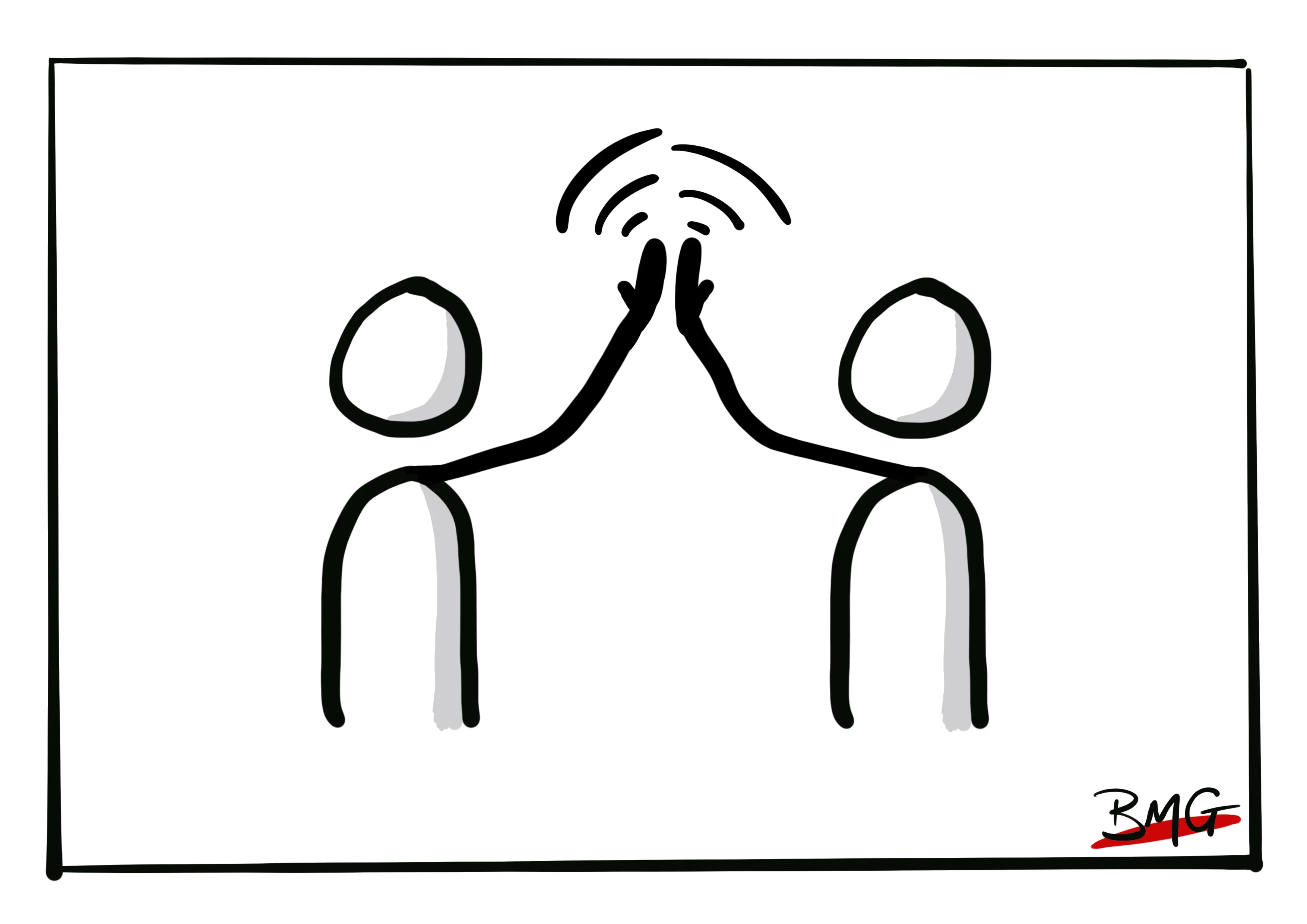
The impact of embracing responsibility goes beyond individual growth.
It influences teams, organisations, and even communities.
Leaders who take ownership inspire their teams to do the same, creating cultures where accountability, trust, and resilience thrive.
On a personal level, responsibility empowers you to take charge of your own narrative. It transforms challenges into opportunities, setbacks into lessons, and uncertainty into action.
It’s a mindset that says, “I have the power to create real change, no matter the circumstances, and no matter the obstacles.” - imagine the potential impact of that mindset for a moment.
Powerful indeed.
Conclusion
A Mindset Worth Embracing
The distinction between fault and responsibility is simple yet profound.
Fault looks to the past; responsibility looks to the future.
Fault seeks to assign blame; responsibility seeks to create solutions.
Fault limits you; responsibility empowers you.
By embracing responsibility, you take control of your journey. You unlock the potential to grow, to lead, and to thrive.
The next time a challenge arises, ask yourself: “What can I do to make this better?”
That single question has the power to shift your focus, reframe your mindset, and propel you toward a brighter, more intentional future.
Growth starts and lives in a responsibility and accountability mindset.
Take them both, and you’ll discover that the path forward is yours to shape.
Remember, the path to extraordinary is walked with a thousand small steps, you’re doing great!
Your Small Steps
What’s the difference between fault and responsibility in simple terms?
Fault is about looking back and determining who or what caused a problem. Responsibility is about looking forward and focusing on what can be done to address the situation, regardless of where the fault lies.
Why should I take responsibility for something that isn’t my fault?
Taking responsibility isn’t about accepting blame; it’s about recognising your power to act. By focusing on what you can control, you empower yourself to make positive changes, learn from the experience, and move forward with purpose.
Won’t taking responsibility make others think I’m to blame?
Not necessarily. Responsibility isn’t about pointing fingers at yourself,it’s about demonstrating leadership and ownership. In fact, people are often inspired by those who focus on solutions rather than dwelling on problems.
How can I encourage my team to embrace responsibility?
Lead by example: Show your team how to shift from blame to action.
Create a culture of accountability: Encourage open dialogue about challenges and solutions.
Recognise and reward responsibility: Highlight examples of proactive behaviour to reinforce its value.
What if I feel overwhelmed by taking on too much responsibility?
It’s important to set boundaries. Responsibility doesn’t mean solving every problem or taking on others’ workloads. Focus on areas where you can make the biggest impact, and don’t hesitate to delegate or seek support when needed.
How does taking responsibility help with personal growth?
Responsibility fosters self-awareness, resilience, and a proactive mindset. It encourages you to learn from challenges, adapt to new situations, and take control of your growth journey.
Can responsibility be taught, or is it an innate quality?
Responsibility is a skill and mindset that can be cultivated. Through self-reflection, intentional practice, and embracing opportunities to act, anyone can develop a stronger sense of ownership and accountability.
What should I do if I encounter someone who focuses only on fault-finding?
Approach the situation with empathy and curiosity. Acknowledge their concerns but gently guide the conversation toward solutions. For example, ask, “What steps do you think we can take to resolve this?” to shift the focus from blame to action.
How can I remind myself to focus on responsibility instead of fault?
Develop habits that encourage this mindset, such as:
Reflecting daily on what you can do to improve situations.
Reframing challenges as opportunities for growth.
Keeping a journal to track how you’ve taken responsibility and the results it led to.
What are the long-term benefits of embracing responsibility?
Embracing responsibility strengthens your resilience, enhances your relationships, and builds trust with others. Over time, it helps you develop a reputation as someone who is reliable, proactive, and focused on solutions …all of which contribute to personal and professional success.

Barry Marshall-Graham
Executive coach and leadership advisor
Get the Difficult Conversations Guide
A practical resource for leaders who want to say the thing that needs saying, without burning bridges or avoiding the moment.
Keep reading
13 March 2026
The Weight of Unshared Doubt
Why senior leadership feels lonelier as you rise, and why confidence is often just unshared doubt.
9 March 2026
Why Your Best Advice is the Problem
Why the rush to fix others is actually a specific insecurity, and how to stop.
6 March 2026
The Weight in Your Voice
Your words carry more weight than you realise. Calm authority is often a matter of pace, tone, and the courage to name what matters.

2 March 2026
The Quiet Drift You Inherit
Inherited teams rarely collapse in a moment. They drift. Resetting standards isn't about being harsh, it's about clarity, dignity, and trust.
27 February 2026
When Everyone Owns It
Shared ownership sounds healthy, but when everyone owns a decision, nobody owns the decision. Clarity needs a single accountable owner.
23 February 2026
The Private Ledger of Leadership
Senior leaders carry a private ledger of risks, promises, and people. Naming that inner load isn't weakness, it's how you lead without breaking.
20 February 2026
The Avoided Conversation Is a Decision
The conversation you're avoiding isn't neutral. It's a decision to let the current pattern continue, and that decision shapes the culture.

16 February 2026
Calm Authority in Tense Rooms
Authority isn't volume or force. It's the ability to hold a tense room steady, name what matters, and set a clear boundary without heat.

13 February 2026
The First Small Tolerance
Standards rarely collapse in a moment. They slip through the first small tolerance you let pass, then the next one feels easier.
9 February 2026
The Decision Vacuum
When decision rights are unclear, every meeting becomes a referendum. Clarity is less about answers and more about who owns the call.
