The Two-Way Door Framework
21 February 2025
How To Make Faster and Smarter Leadership Decisions
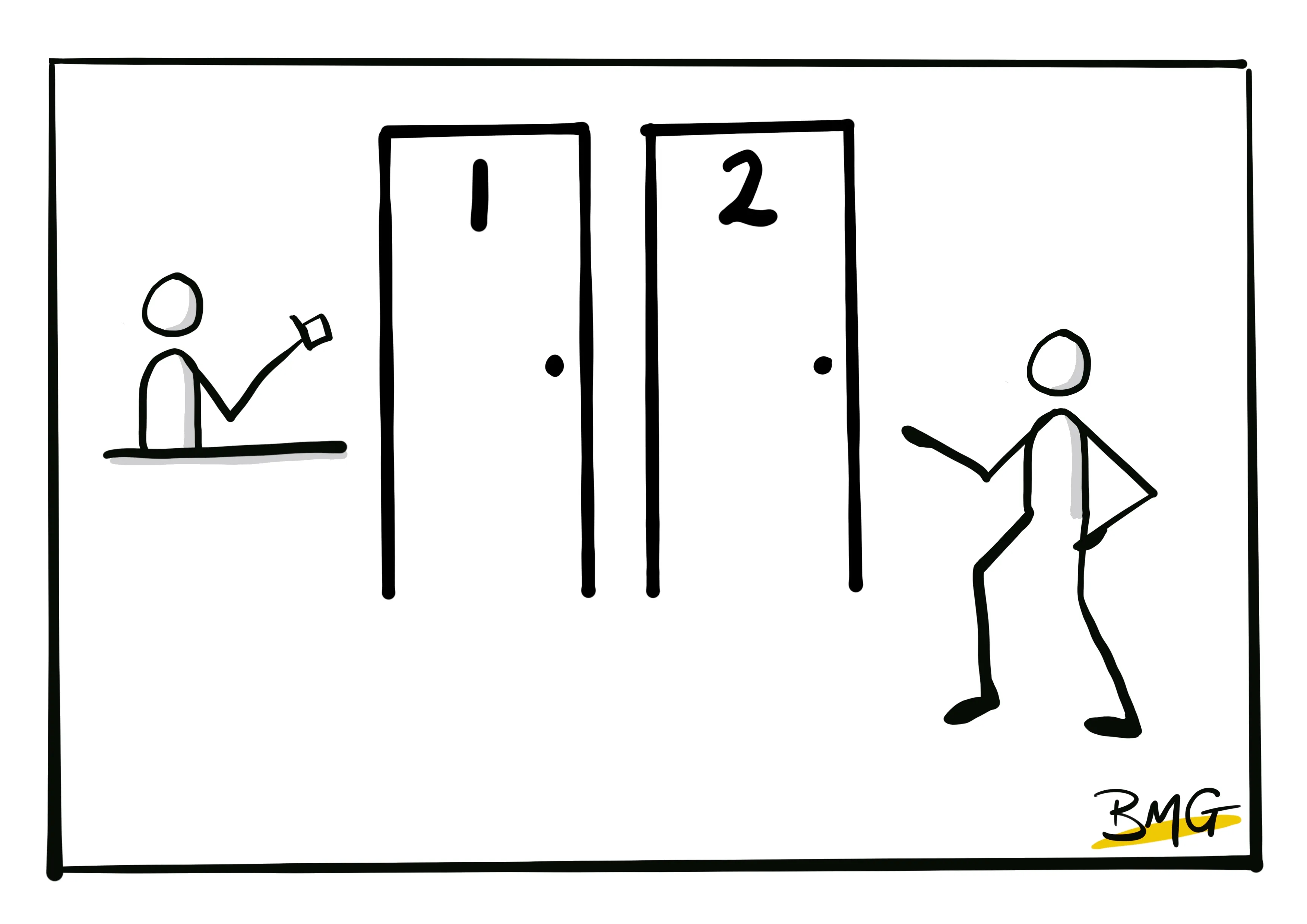
We leaders have all experienced it in one form or another … decision paralysis.
As leaders, we often believe our job is to make perfect decisions - first time, every time. We gather data, seek input from stakeholders, and weigh the risks, only to find ourselves stuck. The fear of making the wrong choice can lead to over-analysis, delays, and missed opportunities.
I’ve personally seen this play out time and again.
A team debates for weeks whether to adopt a new tool, fearing integration challenges. A leader hesitates on a hiring decision, unsure if the person is the “perfect fit”. A company avoids a strategic shift, worried about unintended consequences and misses out on a hugely lucrative opportunity.
But here is the reality: not every decision carries the same level of risk. Some choices are irreversible, but some are not. Treating every decision as a life-or-death moment creates unnecessary stress and slows down progress.
That’s where the Two-Way Door Framework comes in.
What is the Two-Way Door Framework?
Amazon introduced the concept of One-Way and Two-Way Door decisions as a way to speed up execution and improve decision-making.
One-Way Doors are irreversible or extremely difficult to undo. Once you step through, there’s no turning back. These require deep analysis and careful planning.
Two-Way Doors are reversible. If the decision doesn’t work out, you can walk back through the door and try something else with minimal damage.
The problem? Most leaders treat Two-Way Door decisions like One-Way Doors. They overthink, delay, and add unnecessary layers of approval for choices that could easily be reversed.
Simple Examples
One-Way Door Decision: Expanding into a new international market with significant upfront investment in both time and cost.
Two-Way Door Decision: Running a three-month pilot in one region to test demand.
The second option lets you experiment, gather real-world data, and adjust without major consequences.
How This Applies to Leadership
Understanding the difference between One-Way and Two-Way Doors helps leaders move faster, reduce anxiety, and avoid decision fatigue.
Here is how this mindset shift could apply in different areas of leadership:
1. Strategy and Business Decisions
Leaders often stall on strategic choices because they assume every decision is permanent. But many business moves can be tested in a low-risk way before full commitment.
Instead of debating for months whether to launch a new product, release a limited beta version and see what happens.
Instead of rolling out a company-wide change all at once, trial it with one team first.
Instead of spending years building an internal AI system, use a simple prototype tool for six months and assess the impact.
The key is to start small, test, and iterate, treating as many decisions as Two-Way Doors as you can whenever possible.
2. Team and People Decisions
Hiring, promotions, and restructuring can feel like One-Way Doors, but they absolutely don’t need to be.
Uncertain about a candidate? Try a contract approach instead of committing to a full-time role - and when you do … use a probation period for assessment.
Debating a team restructure? Test it on a small scale in a small portion of the team before making team-wide changes.
Unsure if a leadership candidate is ready? Give them a short-term leadership project instead of an immediate promotion.
Many “high-stakes” people decisions have low-risk testing options that allow for course correction - so use them.
3. Personal Leadership Growth
Leaders often hesitate to try new approaches out of fear of failure. But most personal growth decisions are Two-Way Doors:
Want to experiment with a new leadership style? Test it in a few meetings and seek some feedback.
Thinking about delegating more? Start with a single small-scale project and review the results retrospectively.
Considering a new role? Take on temporary responsibilities, or look to make the position interim before making a final decision.
The best way to develop as a leader is to take small, reversible steps toward growth.
A quick pause
If this is helpful, the free guide goes deeper, and the newsletter brings ideas like this twice a week.
How to Apply the Two-Way Door Framework
When facing a decision, ask yourself:
Is this a One-Way or Two-Way Door?
If it’s a Two-Way Door, decide quickly and move forward.
If it’s a One-Way Door, invest time in analysis and planning.
What is the lowest-risk way to test this?
Can you run a small experiment instead of committing fully?
Is there a way to collect real-world data before scaling up?
What is the actual cost of being wrong?
If failure is low-risk and reversible, the cost of inaction is often higher than the cost of making a mistake.
From Fear-Based to Action-Based Leadership
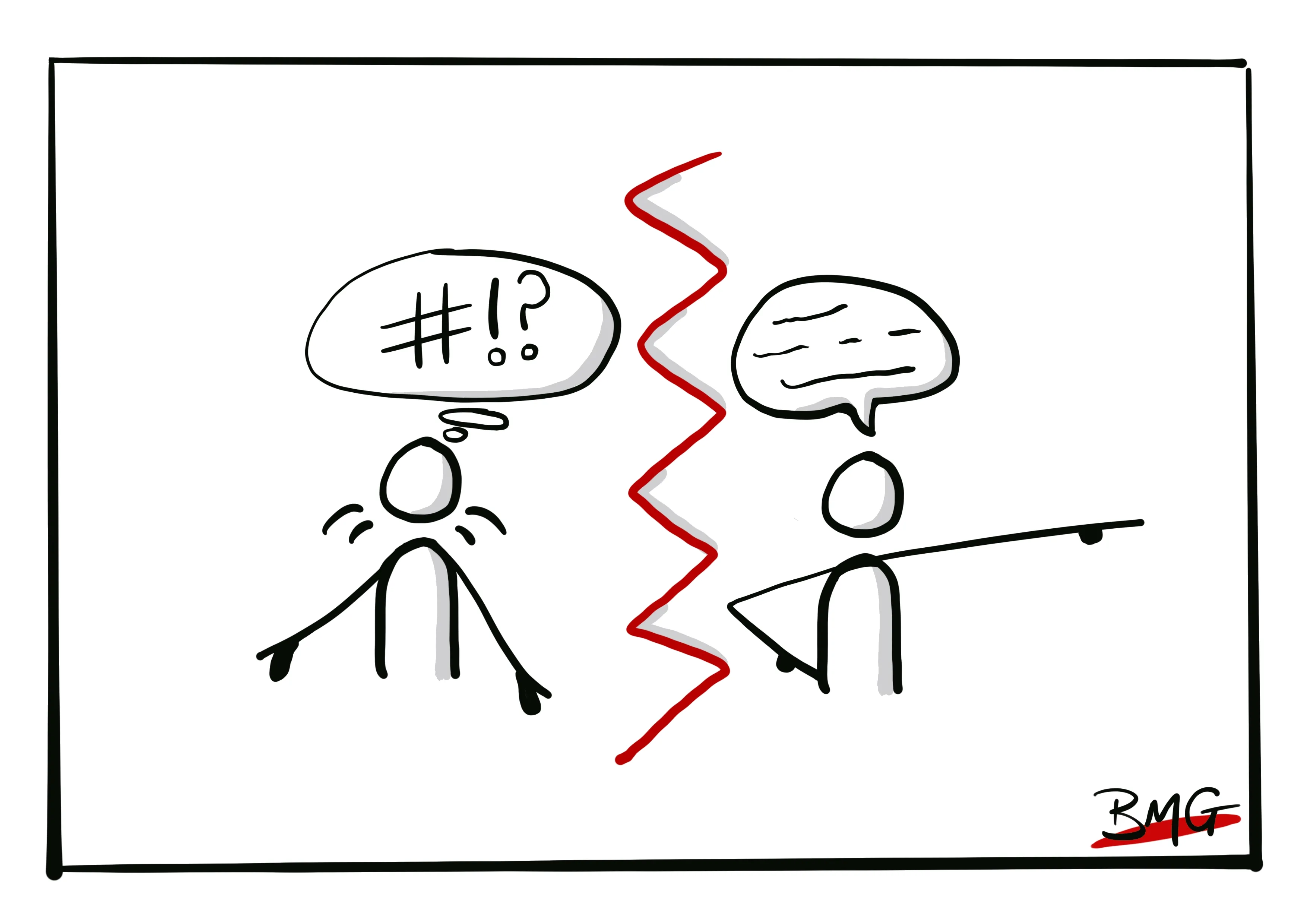
Some leaders are conditioned to fear mistakes. They assume the safest option is to delay decisions, gather more data, and seek consensus. But in many cases, waiting too long is riskier than making a decision and adjusting as needed.
High-performing teams move fast because they know that speed and “just enough” matters more than perfection. The Two-Way Door Framework gives leaders permission to test, learn, and iterate, without getting stuck in over-analysis.
Three practical takeaways:
Start classifying your decisions. Next time you face a choice, ask yourself: Is this truly a One-Way Door, or am I treating it like one unnecessarily?
Reduce friction in Two-Way Door decisions. Remove unnecessary layers of approval and bureaucracy for decisions that can be reversed.
Build a culture of experimentation. Encourage your team to test ideas in small ways before making big commitments.
Remember, the path to extraordinary is walked with a thousand small steps, you’re doing great!
Your Small Steps
What is the Two-Way Door Framework, and why is it useful in leadership?
The Two-Way Door Framework helps leaders make faster, smarter decisions by classifying them as either:
One-Way Doors: Irreversible or high-risk decisions that require deep analysis.
Two-Way Doors: Reversible decisions that allow for easy course correction if needed.
Most decisions are Two-Way Doors, but leaders often treat them as permanent, leading to overthinking and delays. Recognising the difference allows for faster execution and better adaptability.
How do I know if a decision is a One-Way or Two-Way Door?
Ask yourself:
If this goes wrong, can we easily reverse it?
Will this decision permanently impact the company, team, or strategy?
Is there a way to test or trial this before making a full commitment?
If the decision can be undone with minimal cost or risk, it’s a Two-Way Door, make it quickly. If reversing it would be difficult, expensive, or damaging, it’s a One-Way Door, proceed with more caution.
What are some common examples of Two-Way Door decisions in leadership?
Testing a new work process on a small team before rolling it out company-wide.
Launching a new product feature as a limited beta rather than a full release.
Hiring a contractor instead of immediately committing to a full-time hire.
Experimenting with a leadership style in a single meeting before making it a habit.
Many business decisions can be tested in a low-risk way before full-scale implementation.
What are the risks of treating Two-Way Door decisions like One-Way Doors?
Slower execution: Over-analysis delays progress.
Missed opportunities: Competitors move faster and gain an advantage.
Decision fatigue: Leaders waste mental energy on low-risk choices.
Stifled innovation: Teams become afraid to experiment, fearing excessive scrutiny.
Overthinking low-risk, reversible decisions creates unnecessary barriers to action.
How can I apply the Two-Way Door Framework to my decision-making?
Before making a decision, classify it as One-Way or Two-Way.
For Two-Way Doors, prioritise speed and experimentation.
For One-Way Doors, take time to analyse, but don’t get stuck in overthinking.
Encourage your team to use this approach to reduce unnecessary bureaucracy.
Making faster, lower-risk decisions leads to greater agility and adaptability.
How can I create a culture of Two-Way Door thinking in my organisation?
Empower teams to make reversible decisions without excessive approval.
Encourage testing and experimentation before making long-term commitments.
Challenge unnecessary delays by asking, Is this really a One-Way Door?
Reward action and learning, not just perfect outcomes.
When teams embrace quick, iterative decision-making, they become more innovative and efficient.

Barry Marshall-Graham
Executive coach and leadership advisor
Get the Difficult Conversations Guide
A practical resource for leaders who want to say the thing that needs saying, without burning bridges or avoiding the moment.
Keep reading
13 March 2026
The Weight of Unshared Doubt
Why senior leadership feels lonelier as you rise, and why confidence is often just unshared doubt.
9 March 2026
Why Your Best Advice is the Problem
Why the rush to fix others is actually a specific insecurity, and how to stop.

6 March 2026
The Weight in Your Voice
Your words carry more weight than you realise. Calm authority is often a matter of pace, tone, and the courage to name what matters.

2 March 2026
The Quiet Drift You Inherit
Inherited teams rarely collapse in a moment. They drift. Resetting standards isn't about being harsh, it's about clarity, dignity, and trust.
27 February 2026
When Everyone Owns It
Shared ownership sounds healthy, but when everyone owns a decision, nobody owns the decision. Clarity needs a single accountable owner.
23 February 2026
The Private Ledger of Leadership
Senior leaders carry a private ledger of risks, promises, and people. Naming that inner load isn't weakness, it's how you lead without breaking.
20 February 2026
The Avoided Conversation Is a Decision
The conversation you're avoiding isn't neutral. It's a decision to let the current pattern continue, and that decision shapes the culture.

16 February 2026
Calm Authority in Tense Rooms
Authority isn't volume or force. It's the ability to hold a tense room steady, name what matters, and set a clear boundary without heat.

13 February 2026
The First Small Tolerance
Standards rarely collapse in a moment. They slip through the first small tolerance you let pass, then the next one feels easier.
9 February 2026
The Decision Vacuum
When decision rights are unclear, every meeting becomes a referendum. Clarity is less about answers and more about who owns the call.
