Think Before You Hire!
20 December 2024
Think smarter, not bigger - the hidden costs of increasing your headcount.
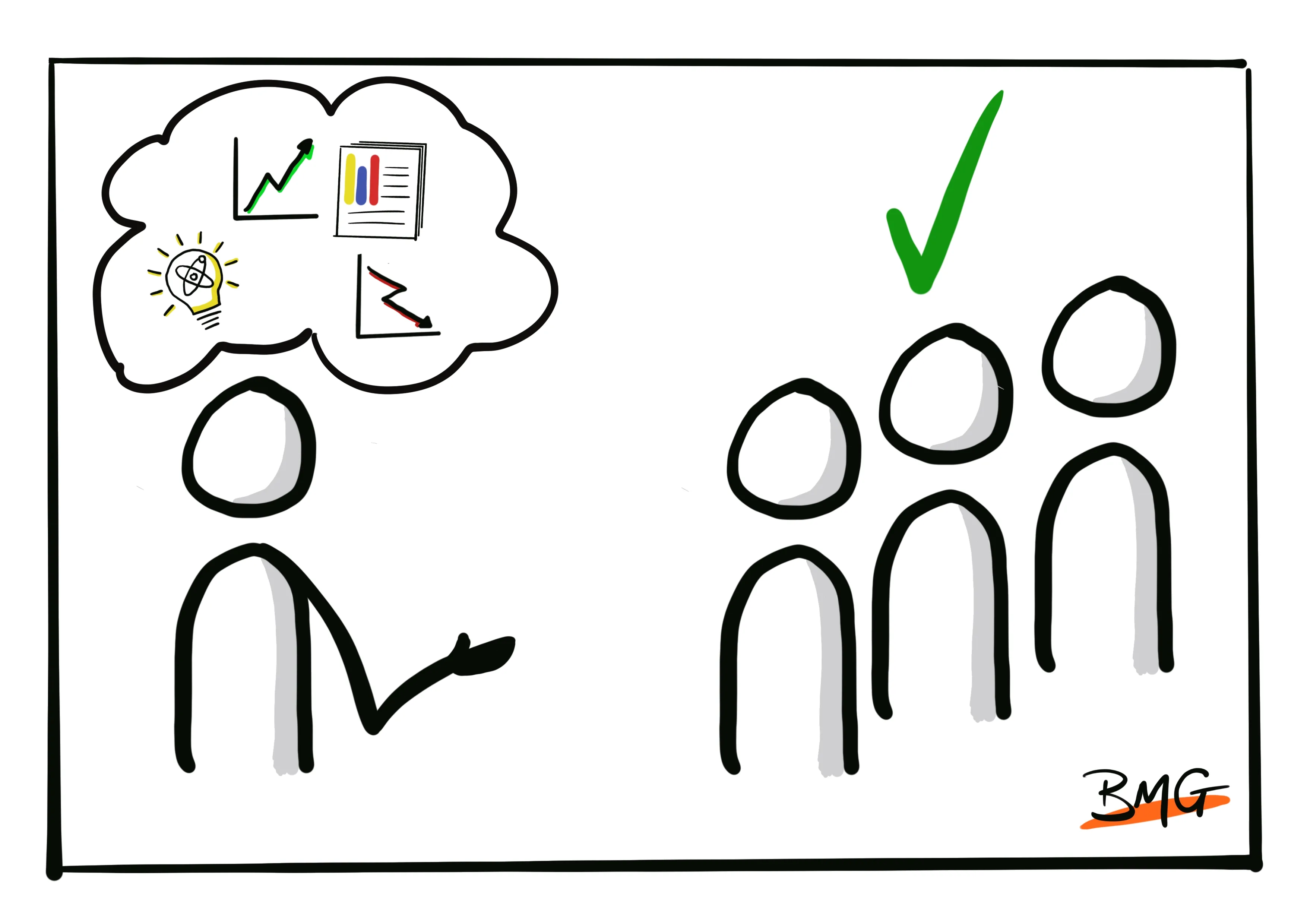
Hiring new people into your team can often feel like the go-to solution for addressing workload issues, team inefficiencies, or skill gaps. After all, more hands on deck should mean faster results, right?
Unfortunately, that’s not always the case.
Adding more people to your team can sometimes amplify the very problems you’re trying to solve.
If your underlying processes are flawed, scaling your workforce or team could result in greater confusion, reduced productivity, and even a decline in team morale. Before you decide to hire, it’s essential to critically evaluate your needs, refine your current workflows and processes, and understand the broader implications of expanding your team.
I took on a new challenge a couple of year ago and most, if not all, of the early conversations were around recruitment … “We need more people, there is too much work, we just cannot resource the business demand” … were the resounding asks from my new team. My answer, perhaps disappointingly for my new colleagues was rather short, but came from experience in this area.
“No. Let’s understand that underlying problem of that overwhelming workload first.”
My suspicion, broadly speaking, was that not unlike other teams I have been brought in to improve, the issue was in systems, processes and a familiar tendency to say “yes” to everything asked of them.
Key Takeaways
Hiring new employees isn’t a universal fix and can inadvertently introduce new challenges.
It’s crucial to examine your team’s existing processes and inefficiencies before making hiring decisions.
“No.” is a perfectly acceptable sentence.
Alternatives such as improving workflows, leveraging existing talent, and investing in technology can often be more effective and sustainable solutions.
Understanding the Real Cost of Hiring
Hiring a new employee might seem like a straightforward expense - it’s just an additional salary, right?
In reality, the financial and operational impact of hiring runs much deeper, and these costs can strain your business in the long term if not carefully managed.
Hiring a new employee involves significant financial, operational, and cultural costs beyond just salary. These include employee benefits, recruitment expenses, and potential losses from a bad hire.
Add to those that the hiring process requires considerable time and resource for recruitment, onboarding, and ongoing support and now we are looking at seriously disrupting productivity.
New hires can impact team dynamics (see Tuckmans Stages of Group Development for more), affecting cultural fit, morale, and workflow efficiency.
Carefully managing these factors is crucial to avoid long-term strain on your teams and business.
Evaluating the Financial Implications
Salary and Benefits: Salaries are only the tip of the iceberg. Benefits such as pensions, healthcare, and paid time off can increase the cost of an employee by 20–30% (or more).
Recruitment Costs: Advertising, recruitment agency fees, and the time spent interviewing candidates adds up - quickly.
The Cost of a Bad Hire: A bad hiring decision can result in lost productivity, morale issues, and even additional recruitment and training costs.
Time Investment in Recruitment and Training
Recruitment: The time spent crafting job descriptions, screening CVs, and conducting interviews can take weeks or months, detracting from other critical responsibilities.
Onboarding and Training: New hires often need months to become fully productive, during which your team may be stretched thin.
Ongoing Support: Mentoring and integrating new employees into the team culture is vital but can also be time-consuming.
Impact on Team Dynamics
Cultural Fit: A new hire who doesn’t align with your company’s values or culture can disrupt team cohesion and create friction.
Team Morale: If a hire doesn’t work out, it can demoralise your existing team and lead to frustration or even turnover.
Workflow Adjustments: Every new person adds complexity to established workflows, and building effective collaboration takes time.
Assessing Your Current Processes
Before you default to hiring, consider whether your existing systems and workflows could be optimised. Sometimes, the problem isn’t a lack of hands but inefficiencies in how tasks are managed and executed.
Evaluate whether inefficiencies in your current workflows might be the real issue.
Identify bottlenecks by observing daily operations, gathering team feedback, and analysing performance data. Streamline processes by eliminating redundant tasks, automating repetitive work, and standardising procedures for consistency.
Clear, specific, and measurable objectives, well-communicated to the team, can further enhance productivity and alignment, often reducing the need for additional hires.
Identifying Inefficiencies
Observe Operations: Take a close look at how work gets done on a daily basis. Are there unnecessary steps or redundant tasks?
Seek Feedback: Ask team members about their challenges and suggestions for improvement.
Review Metrics: Use performance data to pinpoint bottlenecks and areas where productivity could improve.
Streamlining Workflows
Eliminate Redundancy: Cut out tasks or processes that don’t add value to the end goal.
Automate Repetitive Tasks: Leverage tools and software to handle mundane or time-consuming jobs.
Standardise Procedures: Create clear, repeatable workflows to ensure consistency and efficiency.
Setting Clear Objectives
A team that knows its goals is a team that works better. Make sure your objectives are:
Specific: Clear and unambiguous.
Measurable: Include key metrics to track progress.
Well-Communicated: Ensure every team member understands and aligns with the goals.
The Power of Saying “No”
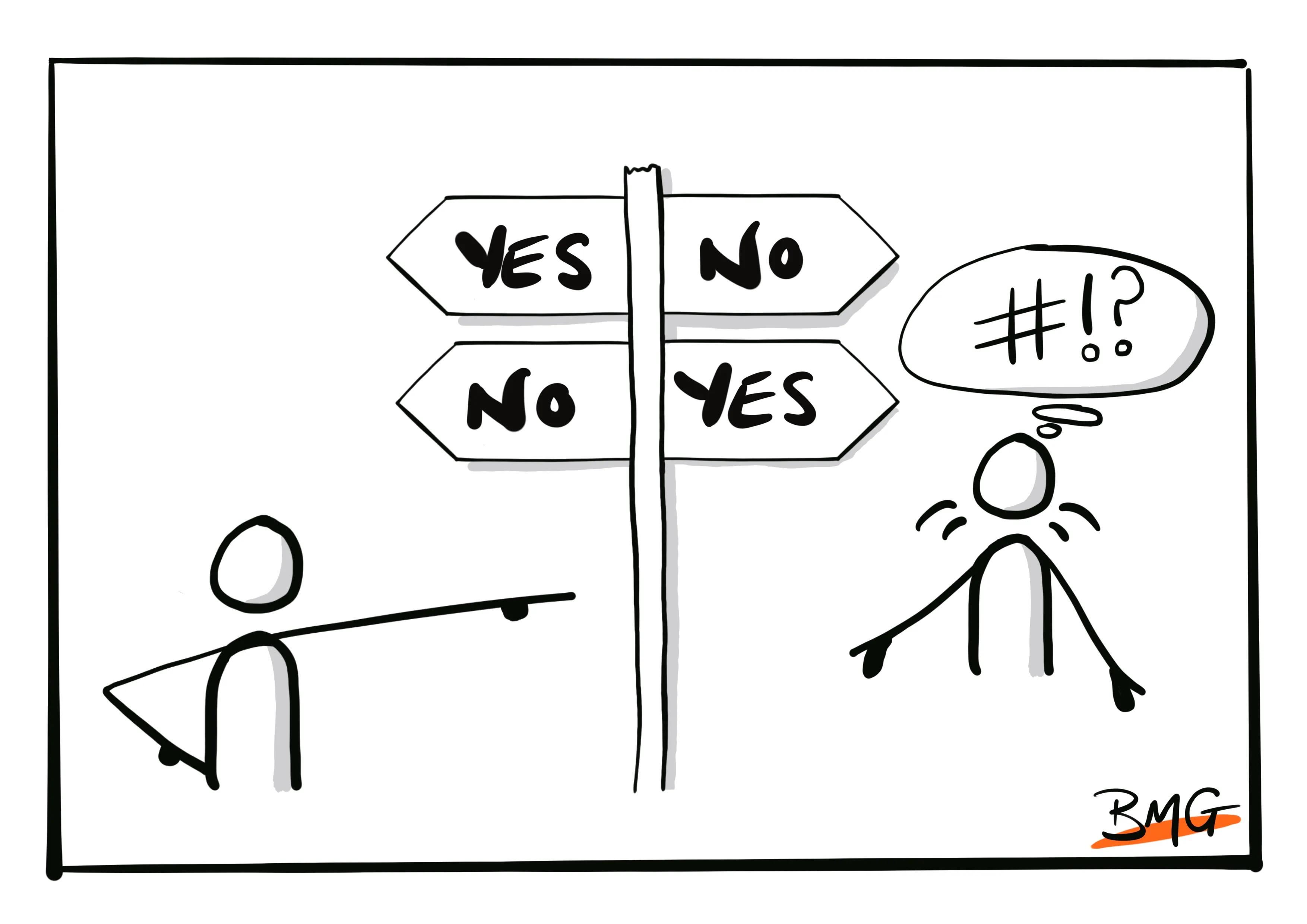
It’s easy to fall into the trap of agreeing to every request that comes your team’s way.
While it might seem like saying “yes” keeps stakeholders happy, it often comes at a cost. When you say “yes” to everything, you’re unintentionally saying “no” to focus, quality, and strategic priorities.
Learning when and how to say “no” is an essential skill for maintaining your team’s effectiveness and ensuring sustainable success.
Understanding the Cost of Saying “Yes”
Every “yes” to a new request diverts time and resources away from your team’s core objectives.
Consider these implications:
Diluted Focus: Juggling too many projects and commitments reduces your ability to deliver high-quality work on the most important tasks.
Overloaded Team: Constantly agreeing to new requests can lead to burnout, mistakes, and decreased morale within your team.
Missed Opportunities: By taking on non-essential work, you might miss out on strategic initiatives that could have a greater impact.
A quick pause
If this is helpful, the free guide goes deeper, and the newsletter brings ideas like this twice a week.
Evaluating Requests
Before agreeing to a request, take a step back to assess its value and impact.
Use these strategies to evaluate:
Align with Objectives: Does the request align with your team’s goals and the company’s strategic priorities?
Cost-Benefit Analysis: Consider the time, effort, and resources required versus the potential benefits.
Opportunity Costs: What critical tasks or projects might be delayed or sacrificed if you take on this new work?
Communicating “No” Effectively
Saying “no” doesn’t have to mean shutting down collaboration. With clear and empathetic communication, you can maintain strong relationships while protecting your team’s capacity.
Here’s how:
Provide a Reason: Explain how the request doesn’t align with current priorities or would stretch resources too thin.
Suggest Alternatives: Offer other ways to achieve the goal, such as leveraging existing solutions, improving processes, or revisiting the idea later.
Reaping the Benefits of Saying “No”
Learning to say “no” strategically allows your team to focus on what truly matters. The benefits include:
Improved Quality: With fewer distractions, your team can dedicate time and energy to delivering exceptional results.
Increased Morale: Avoiding constant overload helps maintain a positive, productive work environment.
Strategic Progress: Saying “no” to less critical work ensures your team stays aligned with high-value objectives.
By thoughtfully evaluating requests and communicating clearly, you can strike a balance between supporting the business and safeguarding your team’s capacity.
Remember, every “no” to low-priority tasks is a “yes” to focus, quality, and long-term success.
The Importance of Strategic Hiring

Hiring should never be a reactionary process. Instead, it should be a deliberate, strategic decision that aligns with both your current needs and long-term goals.
Strategic hiring is a thoughtful process that aligns with both current needs and long-term goals.
Focus on roles you fully understand by clearly defining responsibilities, identifying required skills, and evaluating candidates effectively. Prioritise cultural fit, as it creates better collaboration, higher retention, and smoother integration.
Plan for the future by considering how the role may evolve, ensuring the skills you hire for remain relevant, and preparing for potential market changes.
Strategic hiring builds a resilient and adaptable team.
Hire for Roles You Understand
It’s easier to hire the right person when you thoroughly understand the role they’ll fill. This includes:
Clearly defining responsibilities and outcomes.
Understanding the specific skills needed.
Being prepared to evaluate candidates effectively.
Ensure Cultural Fit
Skills can be taught, but cultural misalignment can have lasting repercussions. A hire who fits your company culture will:
Collaborate more effectively with the team.
Stay longer and contribute to a positive work environment.
Require less time to adjust to your organisation’s way of working.
Plan for the Long Term
Think beyond your immediate needs. Consider:
How the role might evolve as your business grows.
Whether the skills and qualities you’re hiring for will remain relevant.
How market changes might impact your team’s structure and priorities.
Alternatives to Immediate Hiring
If your first instinct is to hire, pause and consider these alternatives. Often, you can solve problems with less disruption and lower costs by optimising existing resources.
Leverage your current team by cross-training, fostering collaboration, and rewarding initiative.
For specialised or short-term needs, consider outsourcing or hiring freelancers to access skills without long-term commitments. Additionally, invest in technology and automation to address inefficiencies, using tools to streamline workflows and upskilling your team to maximise productivity.
These approaches can often solve problems more efficiently and cost-effectively than expanding your team.
Leverage Existing Talent
Cross-Train Staff: Equip your current team with the skills they need to take on additional responsibilities.
Encourage Collaboration: Create opportunities for teamwork to distribute workloads more effectively.
Reward Initiative: Recognise and incentivise employees who take on new challenges.
Outsource and Freelance
Outsourcing specific tasks can be a flexible, cost-effective solution:
Hire freelancers or contractors for short-term projects.
Work with agencies to access specialised skills without committing to a permanent hire.
Use external support to handle overflow work during busy periods.
Invest in Technology and Automation
Technology can often address inefficiencies more effectively than adding personnel.
Consider:
Automation Tools: Software that handles repetitive tasks can free up time for your team to focus on high-value work.
Project Management Software: Improve communication and task tracking to streamline workflows.
Training and Up-skilling: Equip your team with the knowledge they need to use new technologies effectively.
Final Thoughts
Hiring should never be a knee-jerk reaction to challenges in your business. The temptation to add more people can be strong, especially when faced with increasing workloads or pressing deadlines. However, without a solid foundation of efficient processes, clear goals, and aligned team dynamics, bringing in new hires can often amplify existing problems rather than solve them.
Instead of defaulting to hiring, take a step back to critically assess your current situation. Are inefficiencies or outdated workflows the root cause of your challenges? Could your existing team handle the workload with better tools or additional training? By focusing on these areas first, you may find that the need to hire diminishes or disappears entirely, saving both resources and potential disruptions.
When hiring is genuinely necessary, adopt a strategic approach. Prioritise cultural fit to ensure seamless integration and long-term harmony within your team. Look for individuals with adaptability and the ability to grow with your organisation rather than just fulfilling immediate needs. Recognise that the right hire can add tremendous value, but the wrong one can be costly and demoralising.
Additionally, think beyond the immediate impact of a hire. Consider how this decision aligns with your business’s future, from scalability to market trends. Strategic hiring is not just about filling a gap; it’s about building a resilient and sustainable team that can thrive in the face of change.
Finally, remember that the smartest solutions often lie in optimising what you already have. Enhancing workflows, investing in technology, and developing your team can be far more impactful than simply increasing headcount. By taking the time to evaluate all options, you’ll not only avoid unnecessary costs but also empower your business to operate more effectively.
Thoughtful hiring is an investment in the future of your team and your business. By approaching it with care, intention, and strategic foresight, you can ensure every new hire is a step forward …
Never a step back.
Remember, the path to extraordinary is walked with a thousand small steps, you’re doing great!
Your Small Steps
How do I know if hiring is the right solution?
Start by evaluating your current challenges. If the root cause is inefficiency or poor workflows, hiring may not solve the problem. Focus on streamlining processes first before deciding to expand your team.
What are the hidden costs of hiring?
Beyond salary, hiring includes costs like benefits, recruitment expenses, training, and potential productivity loss during onboarding. A bad hire can also lead to further expenses, including re-hiring and morale issues.
How can I make my current team more effective?
Consider cross-training employees, automating repetitive tasks, or using tools like project management software to optimise workflows. These strategies can often reduce workload without needing additional hires.
When should I consider outsourcing instead of hiring?
Outsourcing is a great option for short-term projects, tasks requiring specialised skills, or managing overflow work during peak periods. It’s often more flexible and cost-effective than hiring a full-time employee.
What should I prioritise when hiring for my team?
Focus on cultural fit, adaptability, and long-term potential. A candidate who aligns with your company’s values and has the ability to grow with the role is often more valuable than someone who simply meets immediate technical requirements.
How can I ensure a new hire integrates well into my team?
Develop a structured onboarding process that includes clear expectations, cultural orientation, and regular check-ins. Encourage open communication and collaboration to help them build strong relationships with the team.
What are the risks of hiring too quickly?
Rushed hiring decisions can result in poor cultural fit, skills mismatches, or hiring for roles that don’t align with long-term needs. This can lead to wasted time, resources, and potential team disruption.
What alternatives should I explore before hiring?
Look into improving processes, redistributing workloads, or leveraging technology like automation tools. You can also consider freelancers, contractors, or consultants for specific needs rather than committing to a full-time employee.

Barry Marshall-Graham
Executive coach and leadership advisor
Get the Difficult Conversations Guide
A practical resource for leaders who want to say the thing that needs saying, without burning bridges or avoiding the moment.
Keep reading
13 March 2026
The Weight of Unshared Doubt
Why senior leadership feels lonelier as you rise, and why confidence is often just unshared doubt.

9 March 2026
Why Your Best Advice is the Problem
Why the rush to fix others is actually a specific insecurity, and how to stop.
6 March 2026
The Weight in Your Voice
Your words carry more weight than you realise. Calm authority is often a matter of pace, tone, and the courage to name what matters.

2 March 2026
The Quiet Drift You Inherit
Inherited teams rarely collapse in a moment. They drift. Resetting standards isn't about being harsh, it's about clarity, dignity, and trust.

27 February 2026
When Everyone Owns It
Shared ownership sounds healthy, but when everyone owns a decision, nobody owns the decision. Clarity needs a single accountable owner.

23 February 2026
The Private Ledger of Leadership
Senior leaders carry a private ledger of risks, promises, and people. Naming that inner load isn't weakness, it's how you lead without breaking.

20 February 2026
The Avoided Conversation Is a Decision
The conversation you're avoiding isn't neutral. It's a decision to let the current pattern continue, and that decision shapes the culture.

16 February 2026
Calm Authority in Tense Rooms
Authority isn't volume or force. It's the ability to hold a tense room steady, name what matters, and set a clear boundary without heat.

13 February 2026
The First Small Tolerance
Standards rarely collapse in a moment. They slip through the first small tolerance you let pass, then the next one feels easier.

9 February 2026
The Decision Vacuum
When decision rights are unclear, every meeting becomes a referendum. Clarity is less about answers and more about who owns the call.
