Two Speeds of Thought
25 April 2025
Understanding How (and Why) We Decide
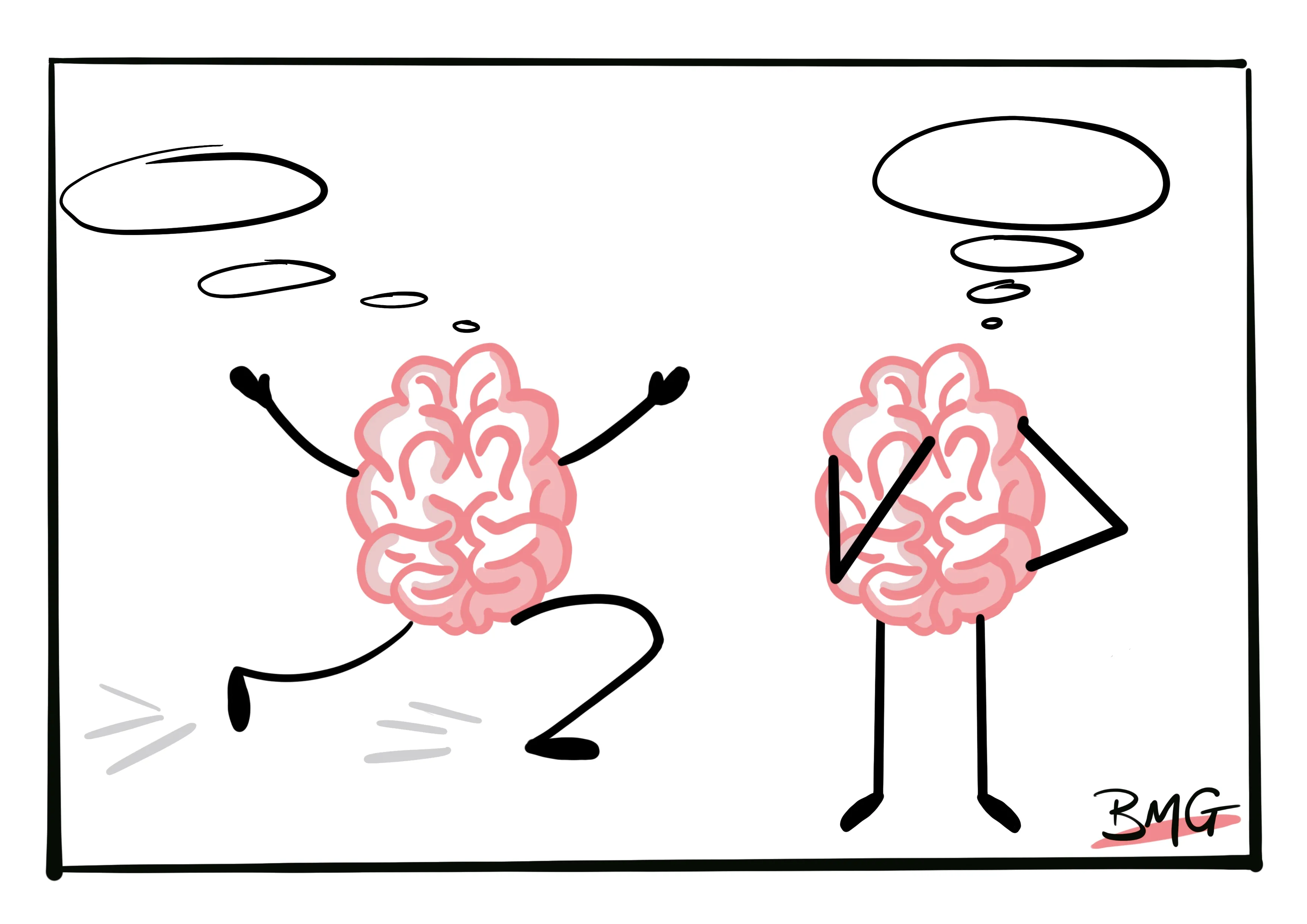
“Nothing in life is as important as you think it is, while you are thinking about it.”
– Daniel Kahneman, Thinking, Fast and Slow
Every day, we make hundreds, if not thousands, of decisions.
Some are big: Where to live, what to say in that crucial meeting, whether to take a risk.
Most are small: What to eat, how to respond to a message, whether to keep scrolling or close the laptop.
But what’s fascinating is that we rarely make those decisions consciously.
More often, they’re driven by a blend of intuition, habit, emotion, and impulse.
Psychologist Daniel Kahneman, in his brilliant book Thinking, Fast and Slow, describes this dual-process approach to thinking:
System 1 is fast, instinctive, emotional, and automatic.
System 2 is slow, deliberate, logical, and effortful.
Both systems are essential … but the real power comes from knowing which one is running the show, and when to invite the other in.
System 1: Your Fast, Efficient, and Often Biased Brain
System 1 is your inner autopilot.
It’s the part of the brain that allows you to drive home without thinking, respond to a friend’s text in seconds, or spot danger before it happens. It’s quick, energy-efficient, and often incredibly useful.
But it’s also where your biases live.
It thrives on heuristics - mental shortcuts that work most of the time, but not always.
It assumes, generalises, reacts emotionally, and prefers comfort over complexity.
System 1 decides:
Whether you “like the vibe” of someone you just met.
How you react to a glance at an email subject line.
Whether you trust someone’s confidence more than their competence.
It’s lightning-fast - and that’s both its strength and its weakness.
System 2: The Slower, Wiser, and Often Lazy Thinker
System 2 is your more conscious, reflective brain.
It’s the part that checks the facts, questions assumptions, and looks for nuance. It’s the system you engage when solving a complex problem, resisting an impulse, or thinking through a long-term consequence.
But here’s the catch: System 2 takes a huge amount of effort.
It burns more energy, takes more time, and the brain doesn’t want to activate it unless it has to. This is why we often default to System 1, even when a slower approach might serve us better.
System 2 is responsible for:
Questioning your initial assumptions.
Overriding emotional reactions.
Weighing trade-offs, long-term outcomes, and ethical dilemmas.
It’s what turns considered reaction into measured response.
A Tale as Old as Time
Does this ring true … it does for me …
A message comes through from a colleague - blunt, abrupt, not what you were expecting.
Instantly, you feel your shoulders tense. Your internal story kicks in: They’re being dismissive. They don’t respect my input. This always happens…
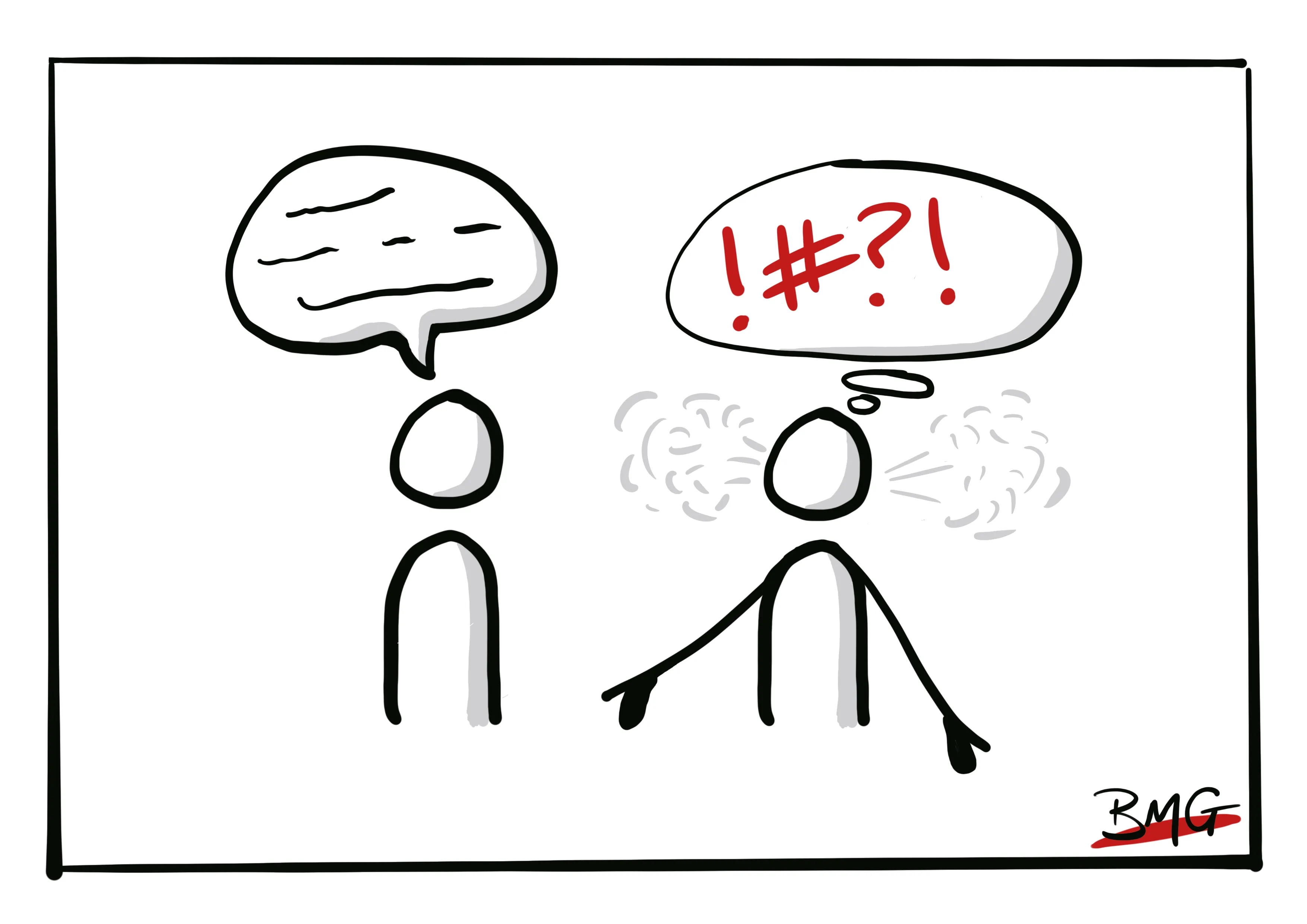
You start typing a pointed reply. But something in you - just enough awareness, as just the right time, asks:
“What if you’re wrong?”
You pause. Maybe take a breath or walk away for five minutes.
When you return, you reread the message with fresh eyes.
And there it is: no disrespect, poor phrasing or grammar perhaps. A rushed message. One you’ve sent yourself many times no doubt. Possibly due to the senders own stress. Nothing personal.
That pause - however small - shifts you from reaction to reflection. It will probably save you a friendship or trusted colleague too!
A quick pause
If this is helpful, the free guide goes deeper, and the newsletter brings ideas like this twice a week.
When to Think Fast, and When to Slow Down
We need both systems.
Fast thinking helps us survive. Slow thinking helps us thrive.
The key is not to eliminate System 1, it’s to become more aware of when you’re in it, and to invite System 2 in when it matters.
Think fast when:
Immediate action is needed (e.g., safety, quick decisions, time pressure).
The task is familiar and low-risk.
You’re relying on well-trained intuition.
Think slow when:
The stakes are high.
Emotions are involved.
You’re dealing with uncertainty, complexity, or people.
Reflection Prompts
When was the last time you made a fast decision you later regretted?
In which areas of your life do you tend to rush without thinking?
How do you feel physically when you’re in a reactive state?
What are your personal “bias triggers” that cause snap judgements?
What would it look like to build in a pause before responding - even just 10 seconds?
Final Thoughts
It’s tempting to trust and reply on our first reaction.
I mean, it’s been there for thousands of years, keeping us alive since the time of the sabre toothed tigers. When danger is near, it’s our reactionary nervous system that keeps us alive, don’t think, act. Now!
But the most important decisions - the ones that shape relationships, careers, and reputations - often deserve more than a reflex reaction.
They deserve a pause.
A moment to shift down some gears.
Invite in the quieter, slower voice of wisdom that doesn’t shout, but very often speaks the truth. The considered truth.
Our brain might be fast. Lightning fast.
But when you think on it (see what I did there?) our very best thinking is almost always slow.
Remember, the path to extraordinary is walked with a thousand small steps, you’re doing great!
Your Small Steps
Is fast thinking always bad?
Not at all. It’s efficient and can often be accurate - especially in areas where you’ve built up expertise through experience. Problems arise when fast thinking is applied to situations that require nuance or objectivity.
Can we train ourselves to use System 2 more often?
Yes … with awareness and deliberate practice. Techniques like journaling, mindfulness, and coaching type questions can slow the pace and invite deeper reflection.
How does emotion influence these two systems?
Emotions often trigger System 1 responses. That’s not inherently bad - gut feelings can be informative. But strong emotion can hijack clarity, making it even more important to pause and engage System 2.
How can I spot when I’m falling into a cognitive bias?
Look for speed, certainty, and a lack of curiosity. If you find yourself defending a belief without questioning it - or reacting strongly without evidence - it’s a sign to slow down.
What’s the role of habit in fast thinking?
Habits are essentially decisions made by System 1. Once a behaviour is repeated often enough, it moves from conscious effort (System 2) into automatic execution. This saves cognitive energy but can also lead to blind spots if those habits aren’t periodically reviewed.
Can intuition be trusted if it comes from System 1?
Yes, of course - with caveats. Intuition that stems from deep experience or pattern recognition can be powerful. But snap judgments that arise from emotion or bias can mislead. The key is knowing whether your instinct is trained wisdom or emotional reflex.
How can I create more space for slow thinking in a busy day?
You don’t need hours, just intentional micro-pauses. Step away before making a big decision. Take five slow breaths before sending an emotional email. Even a few minutes of stillness between meetings can re-engage System 2 and reduce reactive thinking.
How do I help my team (or family) engage in slower, more reflective thinking?

Barry Marshall-Graham
Executive coach and leadership advisor
Get the Difficult Conversations Guide
A practical resource for leaders who want to say the thing that needs saying, without burning bridges or avoiding the moment.
Keep reading
13 March 2026
The Weight of Unshared Doubt
Why senior leadership feels lonelier as you rise, and why confidence is often just unshared doubt.
9 March 2026
Why Your Best Advice is the Problem
Why the rush to fix others is actually a specific insecurity, and how to stop.
6 March 2026
The Weight in Your Voice
Your words carry more weight than you realise. Calm authority is often a matter of pace, tone, and the courage to name what matters.

2 March 2026
The Quiet Drift You Inherit
Inherited teams rarely collapse in a moment. They drift. Resetting standards isn't about being harsh, it's about clarity, dignity, and trust.
27 February 2026
When Everyone Owns It
Shared ownership sounds healthy, but when everyone owns a decision, nobody owns the decision. Clarity needs a single accountable owner.
23 February 2026
The Private Ledger of Leadership
Senior leaders carry a private ledger of risks, promises, and people. Naming that inner load isn't weakness, it's how you lead without breaking.
20 February 2026
The Avoided Conversation Is a Decision
The conversation you're avoiding isn't neutral. It's a decision to let the current pattern continue, and that decision shapes the culture.

16 February 2026
Calm Authority in Tense Rooms
Authority isn't volume or force. It's the ability to hold a tense room steady, name what matters, and set a clear boundary without heat.

13 February 2026
The First Small Tolerance
Standards rarely collapse in a moment. They slip through the first small tolerance you let pass, then the next one feels easier.
9 February 2026
The Decision Vacuum
When decision rights are unclear, every meeting becomes a referendum. Clarity is less about answers and more about who owns the call.
