What You Allow, You Endorse. Period.
11 April 2025
Culture Isn’t Built on What You Say. It’s What You Tolerate.
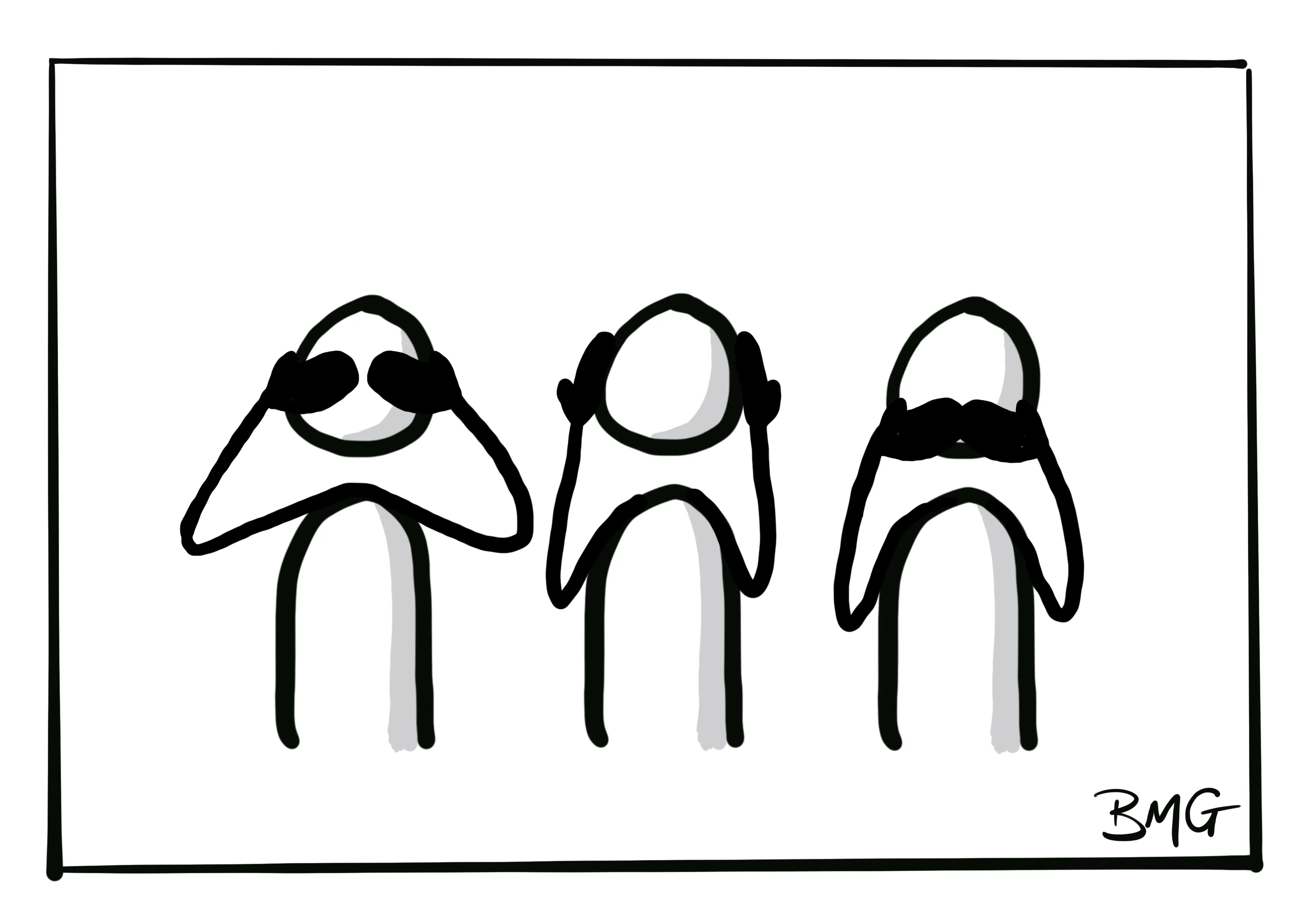
“The standard you walk past is the standard you accept.” – General David Morrison
We often talk about culture in grand terms … vision statements, values stuck on the wall, leadership models in glossy corporate slide decks. But in reality, culture is built (and broken) in the small, everyday moments.
Our culture is shaped in what we challenge.
What we let slide.
What we walk past.
And in those moments … when something feels off, but we say nothing, a silent message is sent: That is okay.
That’s the quiet power of leadership.
Because what you walk past or let slide, others will see as permission to continue.
The Standards I’ve Walked Past
If I’m honest, there have been moments I have stayed silent when I should have spoken up. If we are honest with ourselves, we all have.
I’ve watched someone dominate a conversation and thought, That’s not okay, but said nothing in the moment.
I’ve seen missed commitments go unaddressed because I didn’t want to seem too controlling - top down, if you like.
I’ve let sarcasm pass for humour, thinking, They meant well, rather than challenging the impact privately.
In each of those moments, I made a trade-off.
Ease over ownership.
Harmony over integrity.
Short-term comfort over long-term culture.
The absolute truth is that every time I’ve reflected on those decisions, the same truth hits home: I taught my team what was okay by what I let go.
The challenge is not to be harsh or reactive but to be honest and consistent. Leadership is making your values visible - particularly when it’s awkward or inconvenient.
Why These Moments Matter So Much
Every team watches its leaders closely. Not just for direction, but for cues on what’s acceptable, what’s rewarded, and what’s ignored. You will find that these “standards moments” rarely come with dramatic music, they arrive subtly:
Someone interrupts a colleague repeatedly, and no one steps in.
A commitment is missed, but accountability is brushed aside.
A sarcastic remark undercuts and perhaps embarasses a peer, and it’s laughed off.
Deadlines slip. Goals are redefined. The bar gently lowers. Tomorrow will do just fine.
No one talks about it. But everyone sees it.
And in seeing it, they begin to reshape what they believe leadership really values - not what it says, but what it allows.
This isn’t chasing perfection in every action and every word, but awareness in those moments is vital. The daily decisions you make - what you ignore, what you reinforce, what you challenge - are the real culture-setting moments.
How to Raise Standards Without Raising Tension
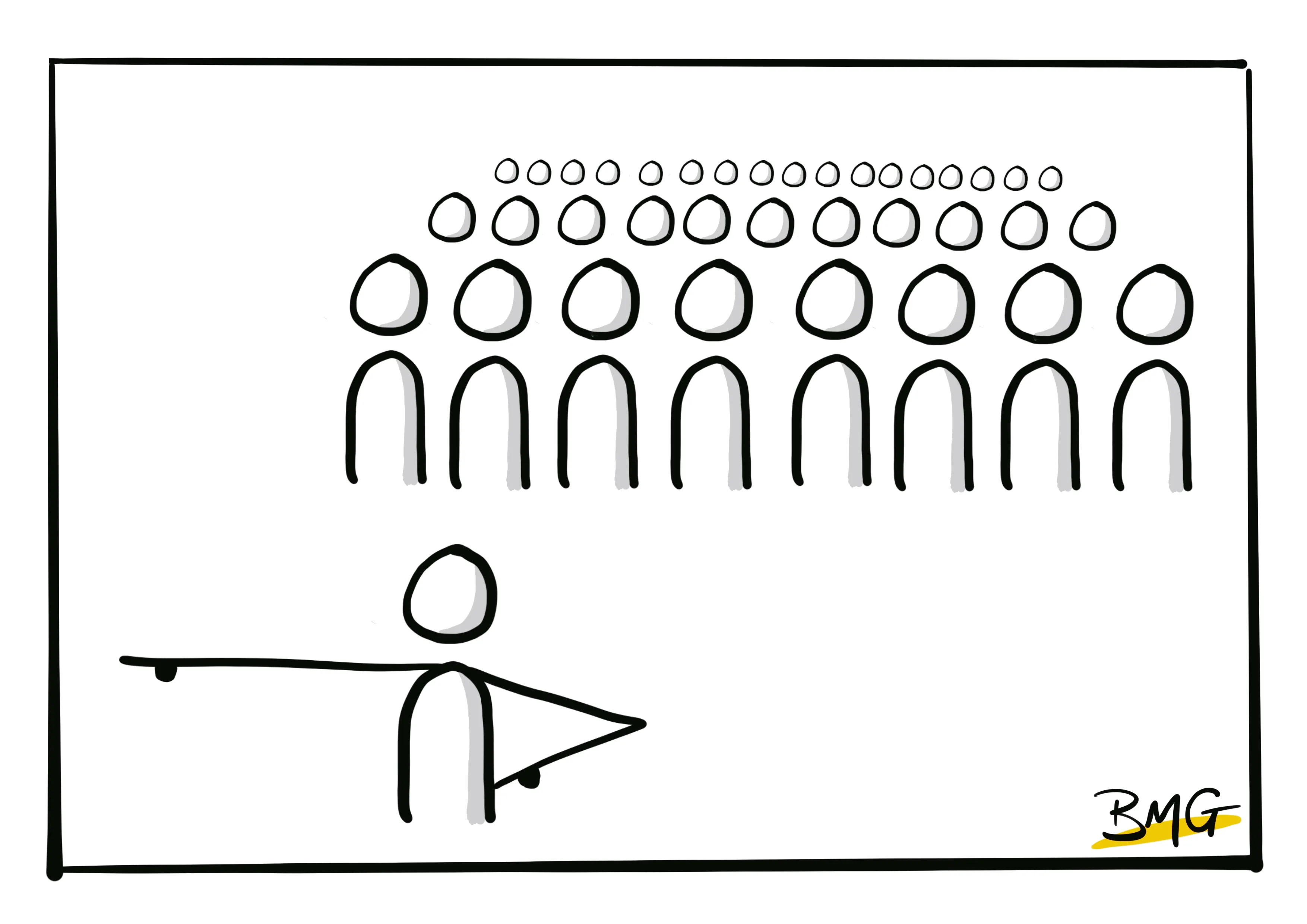
Raising standards doesn’t have to mean raising voices. In fact, some of the most powerful culture-setting actions happen quietly through calm correction, consistent modelling, and thoughtful nudges. Here’s a few of my thoughts on how to uphold what matters most without alienating the people who matter most.
Notice the Micro-Moments
Culture is created in passing comments, subtle body language, tone of voice, and minor decisions. Stay present enough to notice them. Ask yourself: What message does this behaviour send if I say nothing?
Intervene Early and Gently
Correction doesn’t require confrontation. A simple, “Let’s pause for a second here, can we hear the rest of what [person] was saying?” or “I think we might be slipping on our mutually agreed standards here” can reset the tone without creating conflict.
Be Clear About What Good Looks Like
Unclear standards create grey zones. Make your expectations explicit … in behaviour, not just outcomes. Talk openly about what you value: accountability, inclusion, presence, follow-through.
Model What You Expect
You can’t call for focus while multi-tasking in meetings. You can’t ask for feedback while reacting defensively. Integrity starts with alignment,what you expect of others, you should also demand of yourself.
Reflect, Don’t Regret
You won’t catch everything. You’ll miss opportunities. But you can build the habit of reflection: What did I walk past this week? And what did that teach my team? Adjust from there.
A quick pause
If this is helpful, the free guide goes deeper, and the newsletter brings ideas like this twice a week.
Reflection Prompts
Where in my leadership have I lowered the bar without meaning to?
What behaviours am I silently endorsing by choosing not to address them?
What’s one standard I want to reinforce more consistently?
Have I made my expectations visible - or am I assuming people know?
When did I last challenge something with both clarity and kindness?
How do I want people to feel about our standards when I’m not in the room?
Final Thought
Every moment you lead - every meeting, every conversation, every silence - is sending a signal to your team and those around you.
And in leadership, your silence is never neutral or impartial.
It either reinforces the culture you want, or it erodes it, one unspoken moment at a time.
You don’t need to make a speech.
You don’t need to crack the whip.
You just need to notice, name, and nudge - consistently, consciously, and with care.
Because the standards you walk past aren’t just yours to carry.
They’re the culture you leave behind.
Remember, the path to extraordinary is walked with a thousand small steps, you’re doing great!
Your Small Steps
Isn’t it micromanaging to call out every small slip in behaviour?
Not at all (if done with care and intention). It’s not about nitpicking; it’s about protecting culture. You can uphold standards in a way that builds people, not breaks them.
What if I’ve let something slide for too long, is it too late to address it?
It’s never too late to reset the tone. Be honest: “I realise I haven’t been consistent in reinforcing this, and I want to raise the bar.” Leaders earn credibility when they course-correct transparently.
How do I balance empathy with holding people to account?
The best leaders do both. Compassion without standards leads to chaos; standards without compassion lead to fear. The magic is in the blend: firm on expectations, kind in delivery.
What if I’m not sure where the line is?
Use your values as your compass. Ask yourself: Does this behaviour align with the culture we say we want? If not, it’s worth addressing … or at the very least, exploring.
What if challenging standards makes me unpopular with the team?
Leadership isn’t a popularity contest, it’s a responsibility. When you raise standards with clarity, consistency, and fairness, respect very often follows. People may resist in the moment, but most thrive when expectations are clear and purposefully held. Everyone likes something they can point at.
How do I respond when someone pushes back or gets defensive?
Start by listening. Acknowledge their perspective, then bring the focus back to shared values and agreed expectations. Try, “I hear you, and I want us to hold ourselves to the standard we’ve committed to, because that’s how we grow.” However, having heard the perspective, as yourself if there is an improvement to consider in the feedback.
How do I create space for others to raise standards too?
Model it first. Then invite it. Say things like, “If you ever notice me dropping the standard, I want you to feel safe calling it out.” When you make it a team-wide responsibility, culture becomes a shared asset, not a top-down directive.
Is it possible to have high standards and a psychologically safe environment?
Absolutely. In fact, the two go hand in hand. Psychological safety isn’t being soft, more creating a space where people can stretch, fail, challenge and grow without fear. High standards delivered with empathy create a culture of trust and excellence.

Barry Marshall-Graham
Executive coach and leadership advisor
Get the Difficult Conversations Guide
A practical resource for leaders who want to say the thing that needs saying, without burning bridges or avoiding the moment.
Keep reading
13 March 2026
The Weight of Unshared Doubt
Why senior leadership feels lonelier as you rise, and why confidence is often just unshared doubt.
9 March 2026
Why Your Best Advice is the Problem
Why the rush to fix others is actually a specific insecurity, and how to stop.
6 March 2026
The Weight in Your Voice
Your words carry more weight than you realise. Calm authority is often a matter of pace, tone, and the courage to name what matters.

2 March 2026
The Quiet Drift You Inherit
Inherited teams rarely collapse in a moment. They drift. Resetting standards isn't about being harsh, it's about clarity, dignity, and trust.
27 February 2026
When Everyone Owns It
Shared ownership sounds healthy, but when everyone owns a decision, nobody owns the decision. Clarity needs a single accountable owner.
23 February 2026
The Private Ledger of Leadership
Senior leaders carry a private ledger of risks, promises, and people. Naming that inner load isn't weakness, it's how you lead without breaking.
20 February 2026
The Avoided Conversation Is a Decision
The conversation you're avoiding isn't neutral. It's a decision to let the current pattern continue, and that decision shapes the culture.

16 February 2026
Calm Authority in Tense Rooms
Authority isn't volume or force. It's the ability to hold a tense room steady, name what matters, and set a clear boundary without heat.

13 February 2026
The First Small Tolerance
Standards rarely collapse in a moment. They slip through the first small tolerance you let pass, then the next one feels easier.
9 February 2026
The Decision Vacuum
When decision rights are unclear, every meeting becomes a referendum. Clarity is less about answers and more about who owns the call.
