Difficult Conversations
How to say the thing that needs saying without creating collateral damage.
Difficult conversations are less about courage and more about preparation. The goal is not to be harsh, but to be clear, so relationships do not carry unspoken tension.
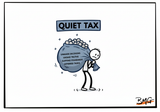
Senior roles multiply the social cost of honesty. People become careful, indirect, and polite, even when the truth is essential. That politeness is expensive and it always shows up later.
This pillar focuses on the language, timing, and structure of conversations that protect trust and surface reality. It is for leaders who want to address what is true without burning bridges.
If you want fewer side conversations and more honesty in the room, start here and follow the links into standards and decision making where truth has to land.
Frequently asked questions
Why do hard conversations get delayed?
Because the social cost feels high. Leaders often wait until there is enough evidence or frustration, which usually makes the conversation harder, not easier.
What is a useful structure for a hard conversation?
Name the behaviour, explain the impact, state the standard, and invite a response. Keep it specific and grounded in reality.
How do you keep trust while being direct?
Be calm, be precise, and show that the aim is improvement rather than punishment. Consistency and fairness build trust over time.