Productivity With Purpose
1 September 2025
Why Loving What You Do Changes Everything
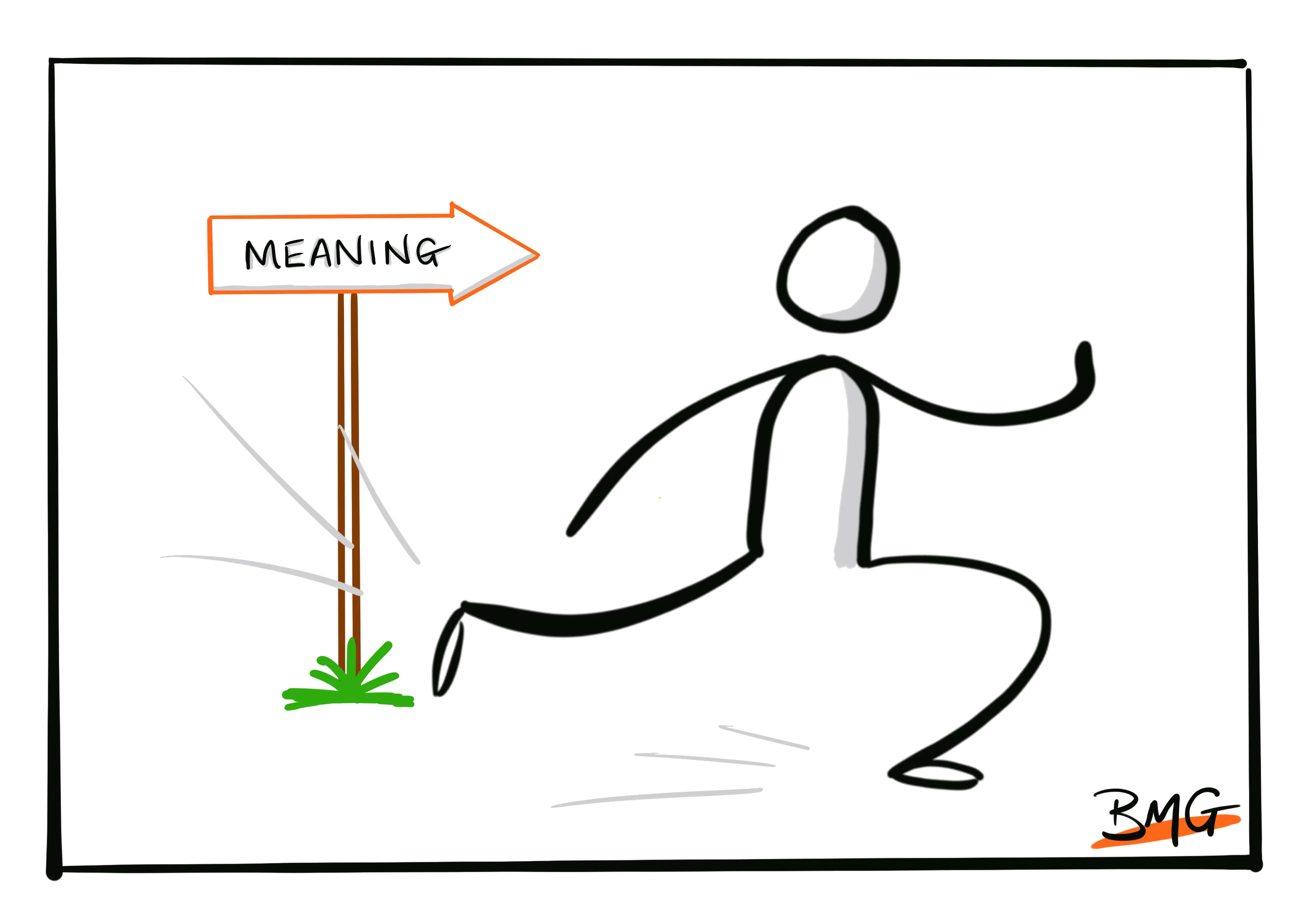
“Don’t ask what the world needs. Ask what makes you come alive, and go do it. Because what the world needs is people who have come alive.”
, Howard Thurman
We’re told to optimise our calendars, wake at 5am, master deep work, and hack our habits.
But what if you’re still grinding at something you were never meant to do?
What if your struggle with productivity isn’t because you’re lazy or distracted, but because deep down … you’re climbing the wrong mountain?
The truth is, productivity isn’t just about doing more.
It’s about aligning effort with meaning.
And the best performers? They don’t work harder at things that drain them.
They get better at doing what lights them up.
What This Article Covers:
Why most productivity advice fails without personal alignment
The difference between accidental paths and chosen ones
How to stop fighting your nature and start flowing with it
Three coaching prompts to reconnect you with purposeful productivity
Loving What You Do Isn’t a Luxury
There’s a quiet myth running beneath most productivity struggles: that if you just worked harder, you’d feel better.
But if the work you’re doing feels hollow or misaligned, no system or Pomodoro timer will fix it.
People who thrive long-term don’t just put in more hours.
They point their energy at something that matters to them.
They don’t burn out because they’re inefficient, they burn out because they’re investing energy into things that don’t give anything back.
The real unlock? Stop trying to love the wrong job.
Start designing your day around the work you want to be good at.
Perfectionism in Disguise
When you’re doing work that doesn’t align with your values or interests, you have to force everything:
You’ll need more willpower to start.
You’ll need more caffeine to continue.
You’ll need more rest to recover.
It becomes a game of inputs, not flow.
When you spend your energy chasing outcomes that don’t feel fulfilling, the result is exhaustion, not excellence.
A Chosen Path is Always More Sustainable
People who feel most productive aren’t just disciplined … they’re aligned.
They’ve stopped saying yes to everything and started saying hell yes to a few of the right things.
They know:
Purpose sustains focus.
Autonomy fuels momentum.
Self-direction drives excellence.
In other words, they don’t force output, they design for it.
Start Here:
A quick pause
If this is helpful, my free guide goes deeper, and the newsletter brings ideas like this twice a week.
My book, High-Fidelity Leadership, explores these same themes in more depth, with practical frameworks for standards, clarity, and the conversations that leaders avoid for too long.
Three Coaching Prompts to Rethink Your Productivity
What am I trying to be good at that doesn’t feel worth it?
We often double down on things that no longer serve us. Productivity isn’t improvement for its own sake, it’s improvement with intention.
What am I naturally drawn to, even when I’m tired?
Flow, joy, and satisfaction often follow our intrinsic interests. Don’t ignore them.
If I could design one “perfect” workday, what would I spend most of my time doing?
Not every day can be perfect but this reflection shows you what to move towards.
Final Thought
You don’t have to love every task.
But you do need to love the direction you’re heading in.
The most sustainably productive people aren’t perfect, they’re intentional.
They build their days, their focus, and their energy around what matters to them.
Not what’s expected.
Not what’s requested.
Not what looks impressive on paper.
And when you align productivity with purpose, effort becomes effortless.
Remember, the path to extraordinary is walked with a thousand small steps, you’re doing great!
Your Small Steps
What if I can’t afford to change jobs right now?
You don’t need a full pivot to start aligning. Find small ways to bring more of what you love into your current role.
Action: Create a “plus 1” list. Add one energising task to your week starting today.
Isn’t this just another version of “do what you love”?
Not exactly. It’s know what you love, and then work skilfully towards making it part of your routine.
Action: Take 10 minutes to write a list of tasks you enjoy most. Use that list to shape future commitments.
How do I know if I’m on the wrong path?
Chronic fatigue, resentment, and low motivation are often signs. So is success that feels empty.
Action: Reflect on how often your current work energises vs. depletes you. Name one change you can trial this month.
What if the work I love isn’t practical right now?
Then make it a hobby, a side project, or a longer-term goal. Creativity counts even in fragments.
Action: Schedule one small block each week to pursue what you love, however imperfectly.
Can a coach help with this?
Absolutely. A coach can challenge your assumptions, uncover blind spots, and help you design more aligned routines.
Action: If you’re stuck, book a coaching conversation, or ask a trusted friend for perspective.
I’m productive, but I’m still not happy. What gives?
Productivity without meaning breeds emptiness. The goal isn’t just to be efficient, it’s to feel alive.
Action: Redefine what success looks like for you. Is your current path supporting that vision?
How do I stop comparing myself to others’ productivity?
Everyone’s energy, values, and wiring is different. Productivity is personal.
Action: Audit your routines and goals. Are they yours, or someone else’s script?

Barry Marshall-Graham
Executive coach and leadership advisor
Get the Difficult Conversations Guide
A practical resource for leaders who want to say the thing that needs saying, without burning bridges or avoiding the moment.
Keep reading
31 August 2026
The Sentence They Nearly Said
A pause or changed expression may lead to the useful part of a conversation, but noticing it doesn't give the coach permission to decode it.

24 August 2026
You Cannot Coach Someone You Are Secretly Judging
Second-hand information may be useful, but once it becomes a character verdict it changes the leader’s listening, questions and tone.

17 August 2026
A Good Question Can Be Badly Timed
The wording may be excellent, but a coaching question can still arrive before the relationship or the moment is ready to carry it.

10 August 2026
Whose Goal Is It Anyway?
A goal can be strategically sensible and still feel unowned. The answer is honest internalisation, not coaching somebody into believing it was their idea.
3 August 2026
The Leader Who Uses Coaching to Avoid Leading
Coaching can create room for another person to think, but it can also help a leader postpone the feedback, standard or decision that belongs to them.

27 July 2026
Advice Wearing a Hat
A coaching question can sound wonderfully curious while quietly steering somebody towards the answer their leader already prefers.
20 July 2026
The Emotional Cost of Being the Reliable One
Reliability earns trust, but it can also turn one capable leader into the place where unfinished work, uncertainty, and organisational risk accumulate.

13 July 2026
The Relief of Finally Saying the Thing
An overdue conversation occupies far more space than the words themselves. Relief begins when reality is finally allowed back into the room.

6 July 2026
The Sideways Shove
Peer conflict cannot be solved with the Manager Card. Influence begins when leaders stop pushing across borders and repair the working relationship.
29 June 2026
Clarity Under Pressure
Authority is tested when the room tightens. Clear leaders make reality, uncertainty, and the next decision visible without adding drama.