The Art of Influence in Leadership and Team Dynamics - Social Proof
29 November 2024
Taking Advantage of the Power of Group Influence to Inspire Action and Drive Team Success
Few concepts are as powerful (yet often misunderstood) as the art of influence.
Whether you’re guiding a team through challenging projects, inspiring colleagues to embrace a new direction, or simply looking to deepen the connections within your organisation, understanding how to ethically and effectively influence others is a skill that can drive remarkable results.
In this series, we will be drawing inspiration from Robert Cialdini’s classic work, Influence: The Psychology of Persuasion.
Cialdini’s book has long been considered a cornerstone in the study of human behaviour, exploring why people say “yes” and how to ethically apply these principles in everyday interactions. The insights within its pages can be transformational - not just for marketers or salespeople, but for anyone looking to lead with greater impact and authenticity.
Each article will focus on one of the seven key principles outlined by Cialdini:
Scarcity
Social Proof
Unity
We’ll dive deep into how these principles can be applied in leadership and team settings, offering examples and actionable strategies that you can implement to build and maintain stronger, more cohesive teams.
By understanding and leveraging these principles, you can maintain environments where trust, motivation, and collaboration flourish, creating a workplace culture that achieves goals with integrity and purpose.
Whether you’re new to Cialdini’s work or looking for a fresh perspective on his (now) timeless insights, this series is designed to provide practical tools and inspiration for leaders at every level.
Let’s embark on this journey together, exploring the subtle yet powerful ways in which influence can shape the way we lead, connect, and achieve.
Social Proof
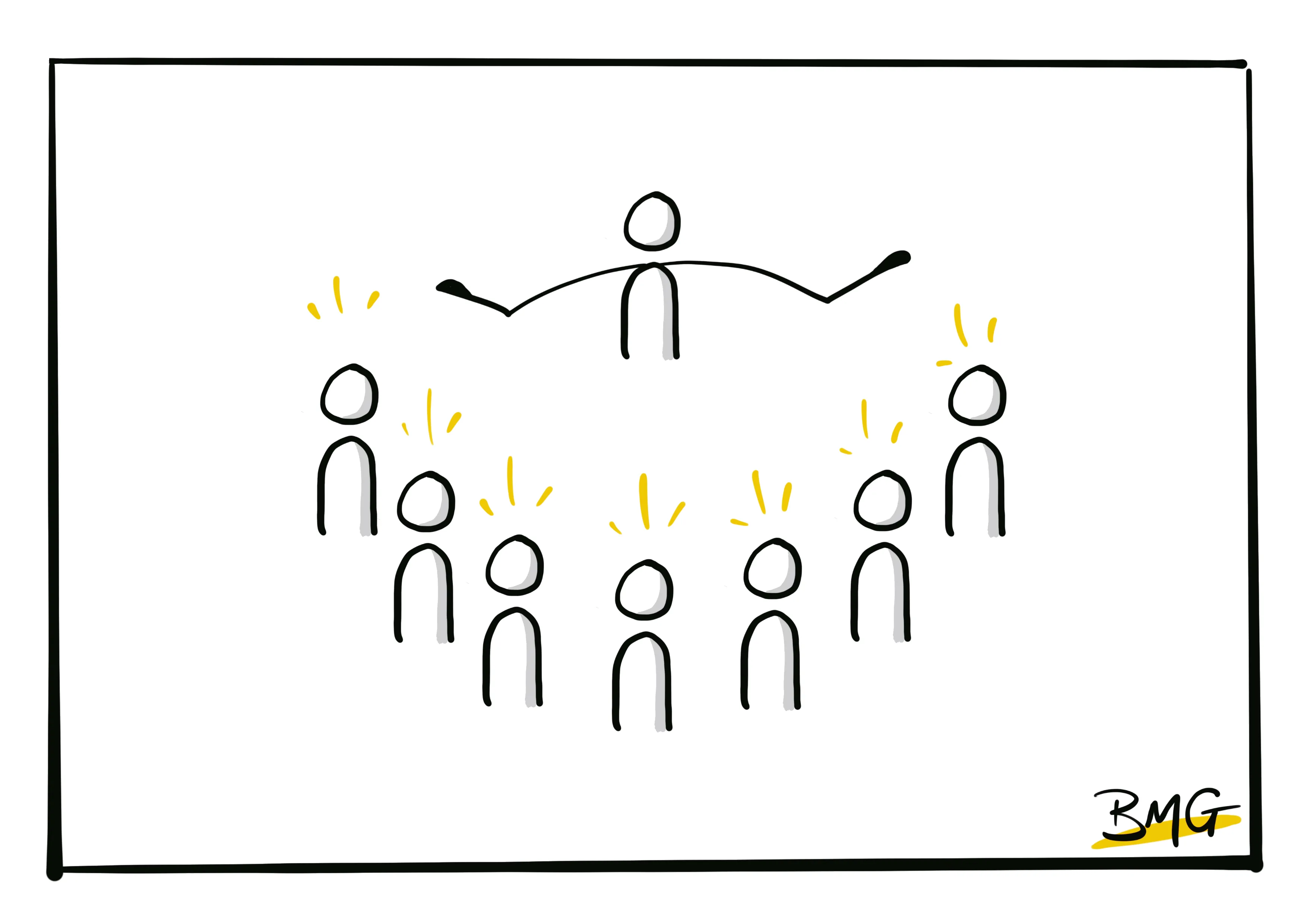
This principle, rooted in our need to align with others, reveals why we often look to the behaviour of those around us to determine our own actions.
For leaders, understanding and applying social proof can transform team dynamics, inspire collaboration, and drive impactful decision-making.
Social Proof operates on a simple yet powerful premise:
People tend to follow the actions of others, especially in uncertain situations.
In leadership and team settings, leveraging social proof helps establish norms, inspire confidence, and create alignment by highlighting the actions and successes of peers.
What is Social Proof?
As outlined in Cialdini’s Influence, social proof is the idea that people determine what is correct by observing what others do.
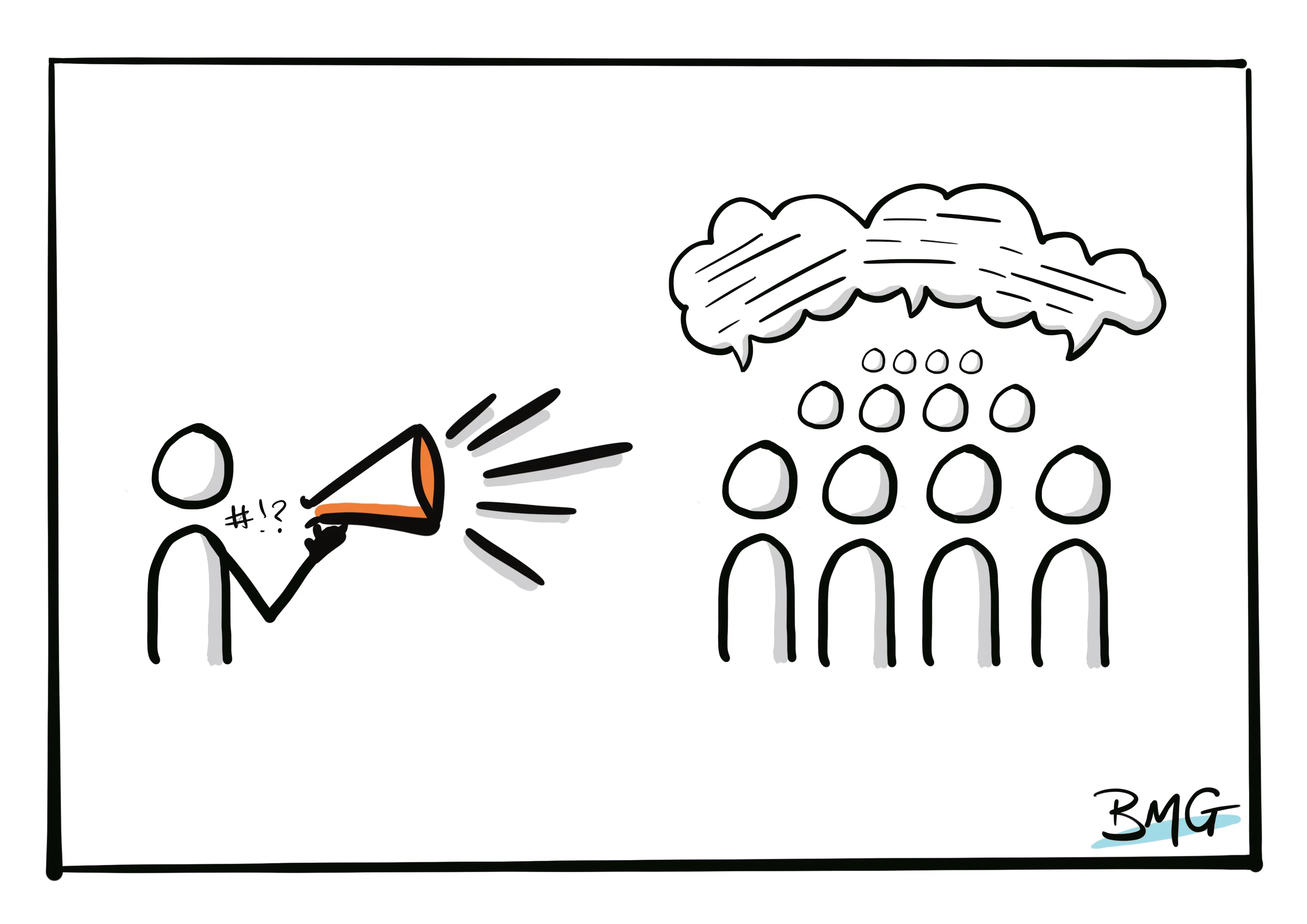
This principle is particularly powerful in moments of uncertainty or ambiguity, where individuals rely on external cues to guide their decisions.
“We view a behaviour as more correct in a given situation to the degree that we see others performing it.” , Robert Cialdini
Cialdini provides compelling examples of social proof in action.
For instance, laughing tracks in television shows amplify humour by implying that others find the content funny, encouraging viewers to laugh along. In the UK these were particularly prevalent in the 80’s and 90’s with shows like ‘Only Fools & Horses’ and on television chat shows like ‘The Jonathan Ross Show’ .
However, mainstream US TV was arguably the widest deployer of this tactic.
Rewatch your favourite episodes of shows like ‘Friends’ or ‘Frasier’ and once heard and identified, you will never be able to un-hear and may take the shine off an otherwise favourite.
Similarly, restaurants that highlight their “most popular dishes” or “specials” often see increased orders for those items, as diners subconsciously trust the collective judgement of others. The reality, of course, is that the restauranteur is likely trying to rid themselves of certain ingredients before they pass their best.
In team dynamics, social proof works the same way.
When team members see their peers embracing certain behaviours, values, or strategies, they are more likely to adopt them as well. Social proof creates momentum and reinforces a sense of shared purpose, helping leaders drive change and maintain alignment within their teams.
A quick pause
If this is helpful, my free guide goes deeper, and the newsletter brings ideas like this twice a week.
My book, High-Fidelity Leadership, explores these same themes in more depth, with practical frameworks for standards, clarity, and the conversations that leaders avoid for too long.
Why Social Proof Works
Social proof taps into two fundamental human tendencies:
1. The Need for Belonging
People want to feel part of a group and often adopt the behaviours and attitudes of others to maintain social harmony.
2. The Desire for Validation
Observing others’ actions provides reassurance that a decision or behaviour is correct, reducing fear of making mistakes.
These psychological drivers make social proof particularly effective in environments where people feel unsure or where collective success depends on shared behaviours.
Leaders who harness social proof can use it to shape team culture, drive collaboration, and reinforce desired outcomes.
Examples of Social Proof in Action
Highlighting Team Successes
Scenario: A manager showcases a case study of a team member who successfully adopted a new way of working, detailing how it improved efficiency and outcomes.
Social Proof Effect: Other team members are inspired to use the new process, believing in its value based on the peer’s example. This adoption accelerates team-wide improvements.
*side note - wrapping this up in a measured data-driven experiment increases the likelihood of adoption many-fold.
Emphasising Participation in Initiatives
Scenario: During a company-wide initiative, a leader highlights that over 80% of employees in a similar department have already completed training on a new platform and congratulates them on their achievement publicly, highlighting the improvements that have been observed since.
Social Proof Effect: The high participation rate and evidence of improvement motivates remaining team members to engage, as they feel compelled to align with the majority.
Creating Peer Advocates
Social Proof Effect: The credibility of the peer advocate encourages broader adoption across the team, as others trust their judgement and wilfully follow suit.
Using Metrics to Reinforce Behaviours
Scenario: A senior leader shares performance data showing that their high-performing teams are consistently using a specific strategy, linking it to their success.
Social Proof Effect: Other teams are naturally inspired to replicate the strategy, believing it is validated by its success elsewhere.
Ethical Use of Social Proof
While social proof is highly effective, like all of these principles, it must be applied authentically and ethically.
Manipulating data, exaggerating participation rates, or fabricating examples can erode trust and harm team morale. Leaders should focus on highlighting genuine successes, real participation rates, and honest examples of peer behaviours.
By leveraging social proof ethically, leaders can create a culture of positivity and inspiration.
When team members see the tangible benefits of aligning with others’ actions, they are more likely to feel motivated and confident in their own decisions.
Conclusion
The principle of Social Proof is a powerful way to inspire action, maintain or promote collaboration, and drive team alignment.
As Cialdini explains in Influence, people are naturally inclined to look to others for guidance, especially in times of uncertainty.
By highlighting successes, sharing peer behaviours, and reinforcing positive norms, leaders can create a ripple effect that transforms a team or business culture.
Social proof is effective because it taps into our instinct to trust the collective wisdom of the group. When team members see their peers embracing a behaviour or decision, they feel more confident doing the same.
However, its true power, as always, lies in its authenticity. Genuine examples of success and alignment resonate deeply, inspiring lasting change.
Used thoughtfully, the principle of social proof enables leaders to build a cohesive, motivated team that moves together toward shared goals with confidence and purpose.
Remember, the path to extraordinary is walked with a thousand small steps, you’re doing great!
Your Small Steps
How can I use social proof without making it feel manipulative?
Focus on sharing real, positive examples. Highlight genuine successes, participation rates, or behaviours that align with your goals. Avoid exaggerating or fabricating examples, as authenticity is key to building trust.
What makes social proof so effective in leadership?
Social proof reduces uncertainty by showing team members that their peers are embracing a behaviour or decision. This creates reassurance and builds momentum, as people feel confident aligning with the majority.
Can social proof work in remote or hybrid teams?
Absolutely. Sharing examples of success via team updates, showcasing participation in digital spaces, or using data visualisations to highlight collective achievements can effectively drive alignment and engagement in remote settings.
How can I encourage team members to become advocates for social proof?
What are the risks of overusing social proof?

Barry Marshall-Graham
Executive coach and leadership advisor
Get the Difficult Conversations Guide
A practical resource for leaders who want to say the thing that needs saying, without burning bridges or avoiding the moment.
Keep reading
31 August 2026
The Sentence They Nearly Said
A pause or changed expression may lead to the useful part of a conversation, but noticing it doesn't give the coach permission to decode it.

24 August 2026
You Cannot Coach Someone You Are Secretly Judging
Second-hand information may be useful, but once it becomes a character verdict it changes the leader’s listening, questions and tone.
17 August 2026
A Good Question Can Be Badly Timed
The wording may be excellent, but a coaching question can still arrive before the relationship or the moment is ready to carry it.
10 August 2026
Whose Goal Is It Anyway?
A goal can be strategically sensible and still feel unowned. The answer is honest internalisation, not coaching somebody into believing it was their idea.
3 August 2026
The Leader Who Uses Coaching to Avoid Leading
Coaching can create room for another person to think, but it can also help a leader postpone the feedback, standard or decision that belongs to them.
27 July 2026
Advice Wearing a Hat
A coaching question can sound wonderfully curious while quietly steering somebody towards the answer their leader already prefers.
20 July 2026
The Emotional Cost of Being the Reliable One
Reliability earns trust, but it can also turn one capable leader into the place where unfinished work, uncertainty, and organisational risk accumulate.
13 July 2026
The Relief of Finally Saying the Thing
An overdue conversation occupies far more space than the words themselves. Relief begins when reality is finally allowed back into the room.

6 July 2026
The Sideways Shove
Peer conflict cannot be solved with the Manager Card. Influence begins when leaders stop pushing across borders and repair the working relationship.
29 June 2026
Clarity Under Pressure
Authority is tested when the room tightens. Clear leaders make reality, uncertainty, and the next decision visible without adding drama.