The Sentence They Nearly Said
31 August 2026
A pause or changed expression may lead to the useful part of a conversation, but noticing it doesn't give the coach permission to decode it.
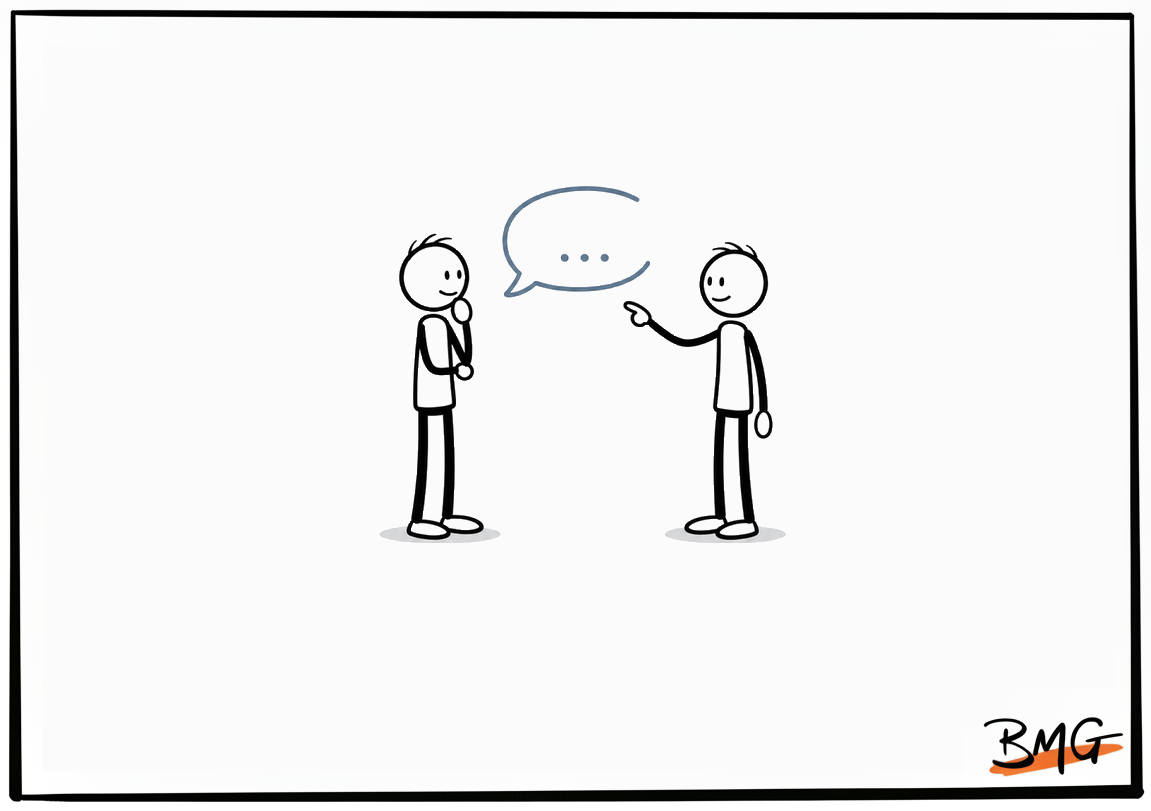
The sentence gets as far as ‘I just...’ and disappears.
A small laugh arrives to cover the space. The person looks away, rearranges their face and gives me a safer sentence instead.
‘No, it's fine. I understand why they made the decision.’
The words say the conversation can move on.
The body has left something standing in the doorway.
I notice these moments quickly. A look. A shift. A tightening in the face. The eyebrows draw back before the answer smooths itself out.
My natural response is direct:
‘I hear you, but what was that?’
Then, if the relationship can carry it:
‘What did you notice in your body just then? Something shifted, and it didn't seem to match the answer.’
That question has opened useful conversations.
It has also made me think about the permission I give myself when I notice more than the person has chosen to say.
The sentence may be in the doorway. That doesn't make it mine to drag into the room.
The Seduction Of The Raised Eyebrow
There's a seductive idea in coaching that the skilled practitioner can see beneath the words.
The person says one thing. Their body reveals another. The coach spots a raised eyebrow at twenty paces, follows the clue and guides them towards the truth.
It gives the work a satisfying air of detection. One half expects a dramatic reveal and a small round of applause for the eyebrow.
Unfortunately, people aren't that easy to read.
Research on facial expression has challenged the idea that a movement works as a universal subtitle for a particular emotion. A tightened face doesn't reliably mean anger, fear, shame or suppressed disagreement. It means, with reasonable confidence, that a face tightened.
The rest is context, relationship and enquiry.
That doesn't make the movement useless. It makes my interpretation provisional, which is where coaching should probably have started anyway.
If I say, ‘You don't agree with what you've just said,’ I've claimed authority over somebody else's experience. They now have to accept my interpretation or resist the coach. Neither option leaves much room for their own thought.
If I say, ‘You paused and looked away just then. Was there something else?’ I'm returning to a visible moment and asking them to make sense of it.
They can say yes.
They can say no.
They can say not yet.
They can also explain that I have mistaken an itch on their shoulder for the entrance to a profound inner chamber.
That possibility is worth keeping nearby.
Sometimes a pause is just a pause, and it would like to be left in peace.
Return To The Moment, Not Your Theory
The International Coaching Federation includes tone, words and body language within active listening, while asking coaches to offer observations without attachment. I like that phrase because it separates attentiveness from ownership.
The observation can be precise. The story attached to it needs a looser grip.
I've found three small moves useful:
Notice: ‘You paused just then.’
Loosen: ‘I may be reading too much into it.’
Invite: ‘Was there something else, or shall we leave it?’
Then wait.
The waiting matters. If I offer an exit and follow it with three more questions plus an intense silence, I haven't offered an exit. I've set a small test.
Nancy Kline's work on attention is useful here. A listener's urge to help can occupy the very space in which another person's thought is forming. When somebody nearly says something, my curiosity can become another interruption. A quiet moment may allow the missing sentence to return in their words, which are likely to be more accurate than the helpful version I was preparing for them.
So I try not to finish it.
I point back to the doorway, then let the person decide whether anything comes through it.
A quick pause
If this is helpful, my free guide goes deeper, and the newsletter brings ideas like this twice a week.
My book, High-Fidelity Leadership, explores these same themes in more depth, with practical frameworks for standards, clarity, and the conversations that leaders avoid for too long.
When Hurt Changes The Decision
The harder judgement comes when the cue seems real, the subject matters and the person doesn't appear ready to continue.
For me, genuine hurt changes the decision.
If the hurt is the territory we've already agreed to explore, perhaps because we've been working towards a root cause and the reaction tells us we've reached something central, I may stay with it carefully. Even then, I need consent, not merely confidence that I've found the interesting bit.
If the reaction arrives unexpectedly and feels personal, I'll often leave it.
Not deny it. Not bustle past as though nothing happened. I'll acknowledge that something landed, make clear that we don't need to pursue it now and, if it remains relevant, return tactfully in another conversation.
Some coaches will worry that this allows avoidance.
It can.
People protect difficult material, and useful coaching sometimes involves staying near the place they'd rather leave. But the opposite risk is intrusion: treating every visible reaction as content available for the session merely because the coach noticed it.
A leader doesn't gain unlimited access to somebody's inner life through attentiveness.
That boundary matters particularly in workplace coaching. The person may be discussing performance, a decision or a relationship with somebody who also influences their role. The reaction may touch grief, health, family, identity or something else they haven't chosen to bring into that relationship.
The body can offer a signal without offering consent.
Depth Is Not The Prize
Coaching sometimes talks about depth as though the conversation with the most emotion must have done the most work.
I don't believe that.
Useful depth is chosen, relevant and capable of increasing agency. A practical insight about a boundary, decision or habit may change far more than an intense conversation the person didn't want.
Before following an unfinished sentence, I try to ask myself:
Is this connected to what we're here to work on?
Has the relationship earned this level of challenge?
Am I following their thought, or my fascination with what I think I've spotted?
Is there enough time and steadiness for whatever may emerge?
There isn't a perfect answer. Leaving the moment may be wise restraint or a missed opportunity. Returning to it may be courageous attention or an elegant piece of trespassing.
Sometimes we only discover which after we ask.
That's why the way back in matters.
Name what happened without diagnosing it. Let the person correct you. Offer a choice about whether to continue. If they say no, take the no seriously rather than turning it into further evidence that you've found the real issue.
And if they say yes, stay with their words.
The sentence that began ‘I just...’ may return. It may arrive differently. It may remain exactly where it was, in the doorway, until another conversation or another person makes it possible to say.
Attention can keep the doorway visible.
It doesn't grant the listener a right to cross it.
The nearly spoken sentence isn't valuable because the coach gets to complete it. It's valuable because, with enough attention, purpose and choice, the person may finally hear themselves say it.
The path to extraordinary is walked with a thousand small steps, you’re doing great!

Barry Marshall-Graham
Executive coach and leadership advisor
Get the Difficult Conversations Guide
A practical resource for leaders who want to say the thing that needs saying, without burning bridges or avoiding the moment.
Keep reading
24 August 2026
You Cannot Coach Someone You Are Secretly Judging
Second-hand information may be useful, but once it becomes a character verdict it changes the leader’s listening, questions and tone.
17 August 2026
A Good Question Can Be Badly Timed
The wording may be excellent, but a coaching question can still arrive before the relationship or the moment is ready to carry it.
10 August 2026
Whose Goal Is It Anyway?
A goal can be strategically sensible and still feel unowned. The answer is honest internalisation, not coaching somebody into believing it was their idea.
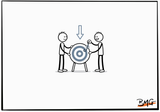
3 August 2026
The Leader Who Uses Coaching to Avoid Leading
Coaching can create room for another person to think, but it can also help a leader postpone the feedback, standard or decision that belongs to them.
27 July 2026
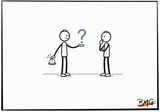
Advice Wearing a Hat
A coaching question can sound wonderfully curious while quietly steering somebody towards the answer their leader already prefers.
20 July 2026
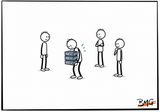
The Emotional Cost of Being the Reliable One
Reliability earns trust, but it can also turn one capable leader into the place where unfinished work, uncertainty, and organisational risk accumulate.
13 July 2026
The Relief of Finally Saying the Thing
An overdue conversation occupies far more space than the words themselves. Relief begins when reality is finally allowed back into the room.
6 July 2026
The Sideways Shove
Peer conflict cannot be solved with the Manager Card. Influence begins when leaders stop pushing across borders and repair the working relationship.
29 June 2026
Clarity Under Pressure
Authority is tested when the room tightens. Clear leaders make reality, uncertainty, and the next decision visible without adding drama.
22 June 2026
The No-Surprises Standard
No surprises is not a demand for perfect control. It is a leadership standard that makes risk visible while there is still time to act.