The Art of Influence - Summary
9 December 2024
A Leadership Guide Inspired by Influence by Robert Cialdini
Robert Cialdini’s Influence: The Psychology of Persuasion is more than a seminal work in the field of behavioural science; it’s a masterclass in understanding the psychological principles that shape how we think, decide, and act.
For leaders, the insights in this book are a treasure trove of strategies to inspire, motivate, and build high-performing teams.
Throughout this series, we’ve explored the six key principles of persuasion: Reciprocity, Commitment and Consistency, Social Proof, Authority, Liking, and Scarcity, as well as Unity, a seventh principle introduced in later editions of the book.
This final article summarises the lessons from these principles, offering a comprehensive guide to applying Cialdini’s work in leadership and team-building.
The Six (+1) Principles of Influence: A Leadership Perspective
Reciprocity: Creating Cycles of Generosity
Cialdini begins with a universal truth:
“The rule says that we should try to repay, in kind, what another person has provided us.”
Reciprocity is the foundation of human relationships.

Leaders who model generosity - whether by offering help, sharing knowledge, or recognising contributions - create an environment where team members naturally reciprocate.
This principle is particularly powerful in creating trust and collaboration. By giving first, leaders lay the groundwork for a culture where mutual support becomes the norm.
Leadership Takeaway
Small acts of generosity can transform team dynamics, encouraging individuals to step up and support one another when it matters most.
Commitment and Consistency: Building Ownership and Accountability
“It is, quite simply, our nearly obsessive desire to be (and to appear) consistent with what we have already done.”

People want their actions to align with their beliefs and previous commitments.
Leaders can use this principle to drive ownership and accountability.
By gaining even small, voluntary commitments from team members, leaders set the stage for sustained engagement. Public commitments are particularly effective, as they heighten the internal and social pressure to stay consistent.
Leadership Takeaway
Encourage team members to take ownership of small goals, knowing this will drive larger commitments and build long-term accountability.
Social Proof: Harnessing Collective Wisdom
“We view a behaviour as more correct in a given situation to the degree that we see others performing it.”
When faced with uncertainty, people look to the actions of others for guidance.
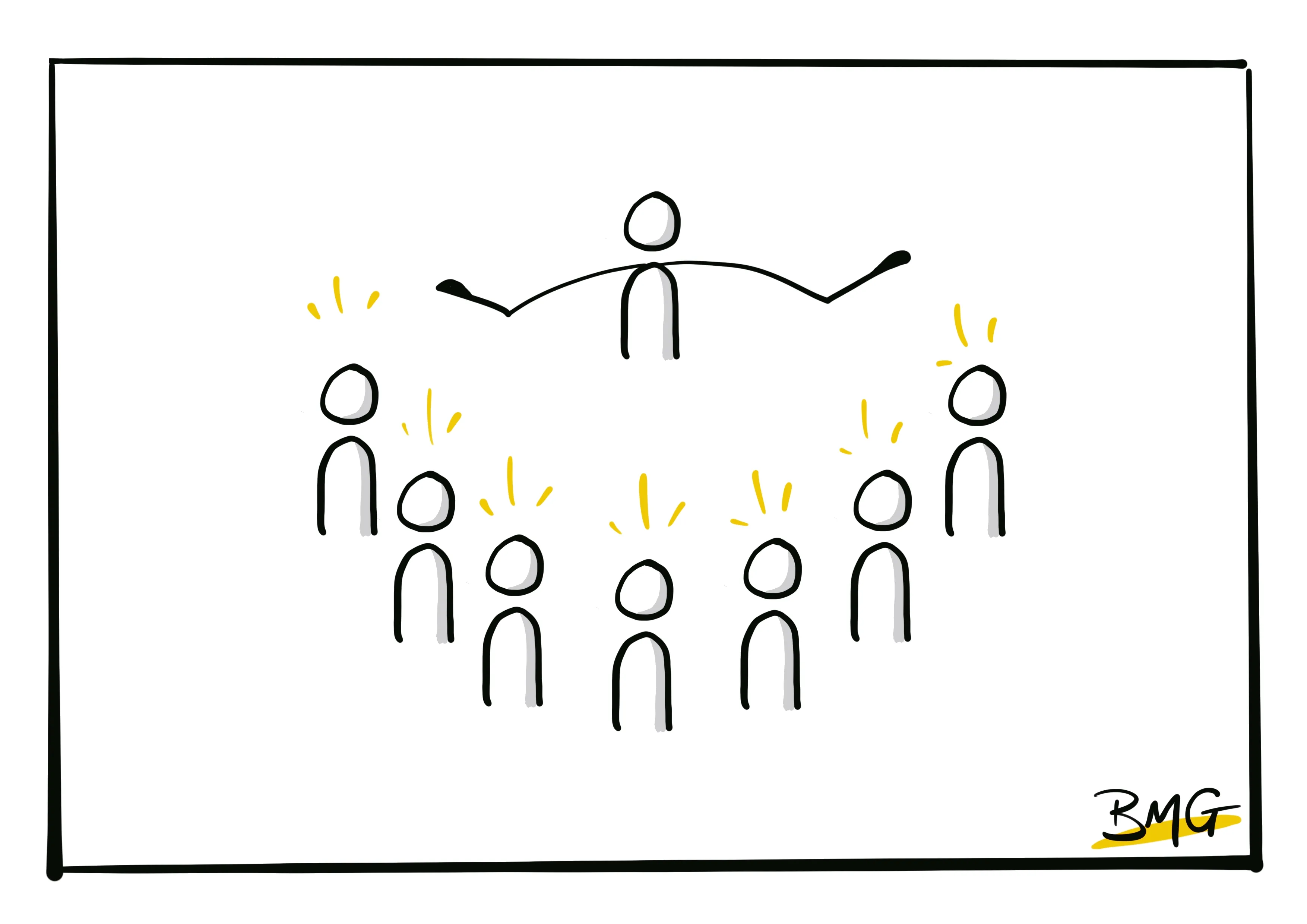
For leaders, this means showcasing team successes, sharing examples of positive behaviours, and highlighting peer-led achievements. Social proof reduces doubt and builds momentum by demonstrating that others have already embraced a particular behaviour or goal.
Leadership Takeaway
Use peer examples to inspire action and demonstrate the effectiveness of desired behaviours.
A quick pause
If this is helpful, my free guide goes deeper, and the newsletter brings ideas like this twice a week.
My book, High-Fidelity Leadership, explores these same themes in more depth, with practical frameworks for standards, clarity, and the conversations that leaders avoid for too long.
Authority: Inspiring Confidence Through Expertise
“When making decisions, it is in our best interest to comply with the requests of legitimate authorities.”
People are naturally drawn to credible, knowledgeable leaders.
Authority isn’t about asserting control; it’s about demonstrating competence and inspiring trust.

Leaders can showcase their expertise by sharing insights, making well-informed decisions, and leading by example. However, authority must be paired with approachability to avoid alienating the team.
Leadership Takeaway
Earn respect by consistently demonstrating expertise, reliability, and fairness.
Liking: Building Genuine Connections
“People prefer to say yes to those they know and like.”
Liking is one of the most relatable principles of influence.

Leaders who are warm, empathetic, and genuinely interested in their team members create environments of mutual respect and trust.
By finding common ground, offering sincere compliments, and fostering positivity, leaders can cultivate strong relationships that enhance collaboration and morale.
Leadership Takeaway
Relationships matter. Invest in building rapport to foster trust and teamwork.
Scarcity: Driving Action Through Urgency
“The idea of potential loss plays a large role in human decision-making.”

Scarcity taps into our fear of missing out, motivating people to act quickly when opportunities appear limited.
For leaders, this means framing key initiatives around their unique value or time sensitivity. However, scarcity must be used ethically, tied to real constraints, and communicated transparently.
Leadership Takeaway
Create urgency by emphasising the uniqueness and time-sensitivity of opportunities, but always keep integrity at the forefront.
Unity: Fostering a Sense of Belonging
“The more we perceive someone as one of us, the more we are influenced by them.”
Unity is about shared identity,we relationships that foster loyalty and trust.

When team members see themselves as part of a cohesive group, they are more likely to align their efforts with collective goals.
Leaders can cultivate unity by celebrating shared values, highlighting common challenges, and creating symbols or rituals that reinforce a sense of belonging.
Leadership Takeaway
Strengthen bonds by emphasising shared identity and purpose.
Why These Principles Matter in Leadership
Cialdini’s principles of influence are more than just tools for persuasion; they are frameworks for building stronger, more cohesive teams.
These principles tap into universal human behaviours and motivations, offering leaders ethical, effective ways to inspire action and alignment.
Whether it’s fostering trust through reciprocity, creating urgency with scarcity, or building loyalty through unity, these principles help leaders navigate the complexities of human dynamics with clarity and purpose.
Conclusion: Influence as a Cornerstone of Leadership
At its core, Influence by Robert Cialdini is about understanding people - how they think, what motivates them, and how they connect.
For leaders, these insights are invaluable. Leadership isn’t just about giving orders or setting strategies; it’s about inspiring others to follow a shared vision.
Cialdini’s principles provide a roadmap for doing just that.
By integrating these principles into day-to-day leadership, you can:
Build trust and collaboration within your team.
Inspire accountability and sustained engagement.
Navigate challenges with confidence and clarity.
Create a culture where individuals feel valued, connected, and motivated to succeed.
As we conclude this series, remember that influence is not about manipulation; it’s about fostering genuine connections and alignment.
Ethical leadership uses these principles to bring out the best in people, empowering them to achieve goals collectively.
Cialdini’s Influence reminds us that the art of leadership lies in understanding and uplifting the people we lead. With these principles as your guide, you not only build high-performing teams, but teams that thrive on trust, unity, and shared success.
Remember, the path to extraordinary is walked with a thousand small steps, you’re doing great!

Barry Marshall-Graham
Executive coach and leadership advisor
Get the Difficult Conversations Guide
A practical resource for leaders who want to say the thing that needs saying, without burning bridges or avoiding the moment.
Keep reading
31 August 2026
The Sentence They Nearly Said
A pause or changed expression may lead to the useful part of a conversation, but noticing it doesn't give the coach permission to decode it.

24 August 2026
You Cannot Coach Someone You Are Secretly Judging
Second-hand information may be useful, but once it becomes a character verdict it changes the leader’s listening, questions and tone.

17 August 2026
A Good Question Can Be Badly Timed
The wording may be excellent, but a coaching question can still arrive before the relationship or the moment is ready to carry it.

10 August 2026
Whose Goal Is It Anyway?
A goal can be strategically sensible and still feel unowned. The answer is honest internalisation, not coaching somebody into believing it was their idea.

3 August 2026
The Leader Who Uses Coaching to Avoid Leading
Coaching can create room for another person to think, but it can also help a leader postpone the feedback, standard or decision that belongs to them.

27 July 2026
Advice Wearing a Hat
A coaching question can sound wonderfully curious while quietly steering somebody towards the answer their leader already prefers.

20 July 2026
The Emotional Cost of Being the Reliable One
Reliability earns trust, but it can also turn one capable leader into the place where unfinished work, uncertainty, and organisational risk accumulate.

13 July 2026
The Relief of Finally Saying the Thing
An overdue conversation occupies far more space than the words themselves. Relief begins when reality is finally allowed back into the room.

6 July 2026
The Sideways Shove
Peer conflict cannot be solved with the Manager Card. Influence begins when leaders stop pushing across borders and repair the working relationship.

29 June 2026
Clarity Under Pressure
Authority is tested when the room tightens. Clear leaders make reality, uncertainty, and the next decision visible without adding drama.