The Three Levels of Habits
7 February 2025
Build Meaningful and Lasting Change By Shaping Your Identity
Most people think about habits in terms of tasks: drinking more water, reading before bed, or exercising regularly. However, lasting change is very often found in building systems and, ultimately, shaping your identity on the back of those systems.
The Three Levels of Habit framework isn’t directly attributed to a single individual, but it draws heavily from various behavioural science and habit formation theories, particularly those outlined by James Clear in Atomic Habits and Charles Duhigg in The Power of Habit.
The three levels of habit formation are:
Action-Based
System-Based
Identity-Based
James Clear, in his book Atomic Habits, discusses the progression from outcome-based habits to identity-based habits, which closely aligns with this three-level structure.
“The most practical way to change who you are is to change what you do. Each action you take is a vote for the type of person you wish to become.”
, James Clear, Atomic Habits
Let’s explore each level and how you can use them to create sustainable success.
Level 1: Action-Based Habits – Small Steps, Big Impact
Action-based habits are the easiest to start because they focus on specific, isolated behaviours. These habits help you establish momentum and create a sense of progress, but they often require constant reinforcement until they become automatic.
Examples of Action-Based Habits:
Drinking a glass of water every morning
Writing down three things you’re grateful for every day
Reading 10 pages of a book each night
How to Implement Action-Based Habits:
Use a Clear Cue: Link the habit to an existing behaviour (e.g., “After I brush my teeth, I will drink a glass of water”).
Keep It Small: A habit that takes less than two minutes to complete is easier to maintain.
Track Progress: A simple checklist can reinforce consistency.
Coaching Insight: Action-based habits are great for beginners, but they often fail if they’re not anchored into a larger system. Think of them as the foundation rather than the full structure.
Level 2: System-Based Habits – Creating a Framework for Success
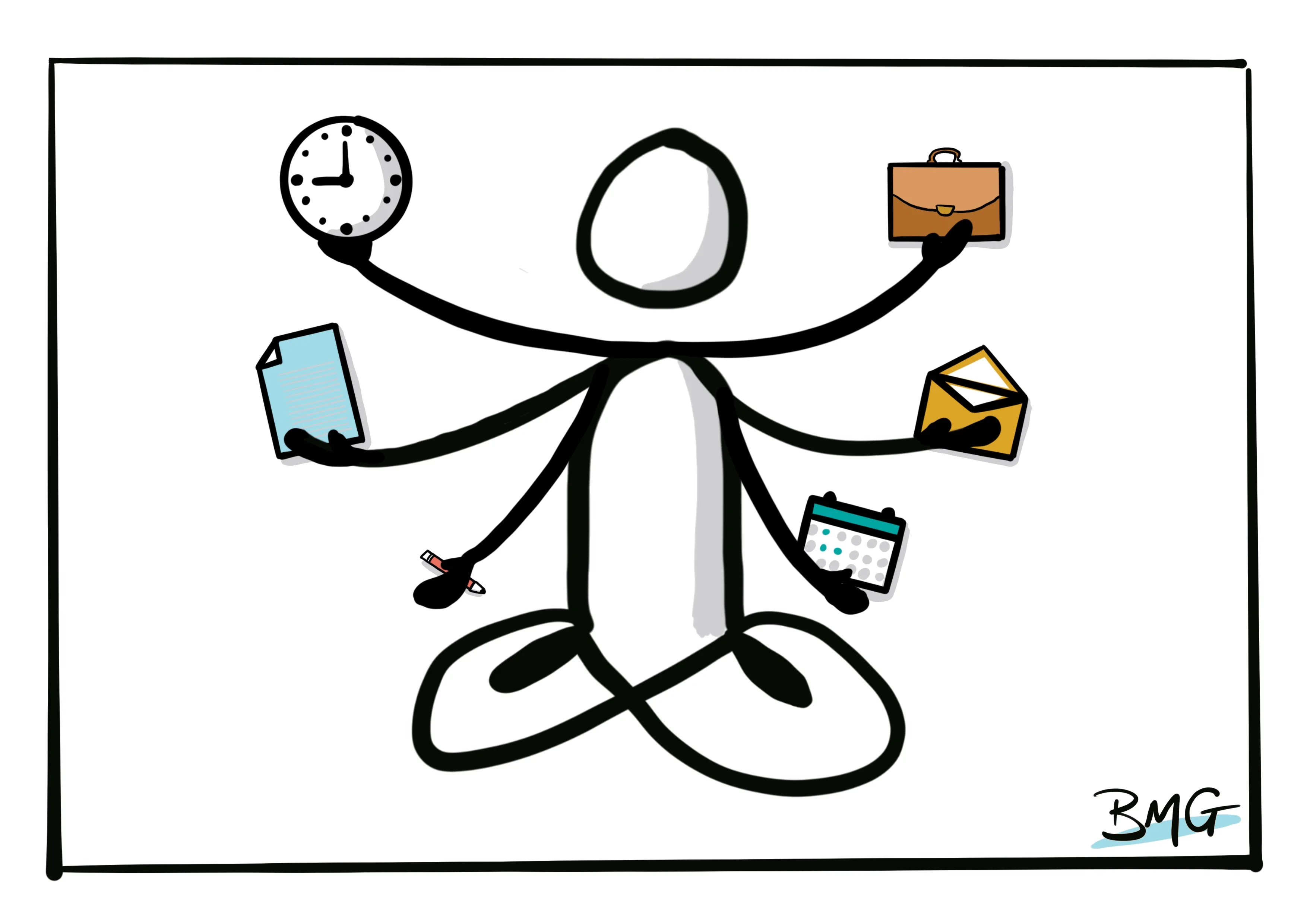
Once individual habits become reliable, the next step is to integrate them into a system. Systems help ensure consistency by designing an environment where success is the default outcome.
Examples of System-Based Habits:
Following a structured morning routine that includes meditation, reading, and exercise
Implementing a weekly review to assess progress on goals
Scheduling deep work sessions each morning to minimise distractions
How to Build System-Based Habits:
Group Similar Habits Together: Bundle habits into a routine (e.g., “Morning Mindset” routine with meditation, journaling, and reading).
Design Your Environment: Remove friction that makes good habits harder (for example, set out your workout clothes the night before).
Automate When Possible: Use tools like calendar reminders or habit-tracking apps to remove reliance on motivation.
Coaching Insight: Systems prevent habits from being dependent on willpower alone. If you’ve struggled with consistency in the past, focus on building a system instead of relying on isolated habits.
A quick pause
If this is helpful, my free guide goes deeper, and the newsletter brings ideas like this twice a week.
My book, High-Fidelity Leadership, explores these same themes in more depth, with practical frameworks for standards, clarity, and the conversations that leaders avoid for too long.
Level 3: Identity-Based Habits – Becoming the Person You Want to Be
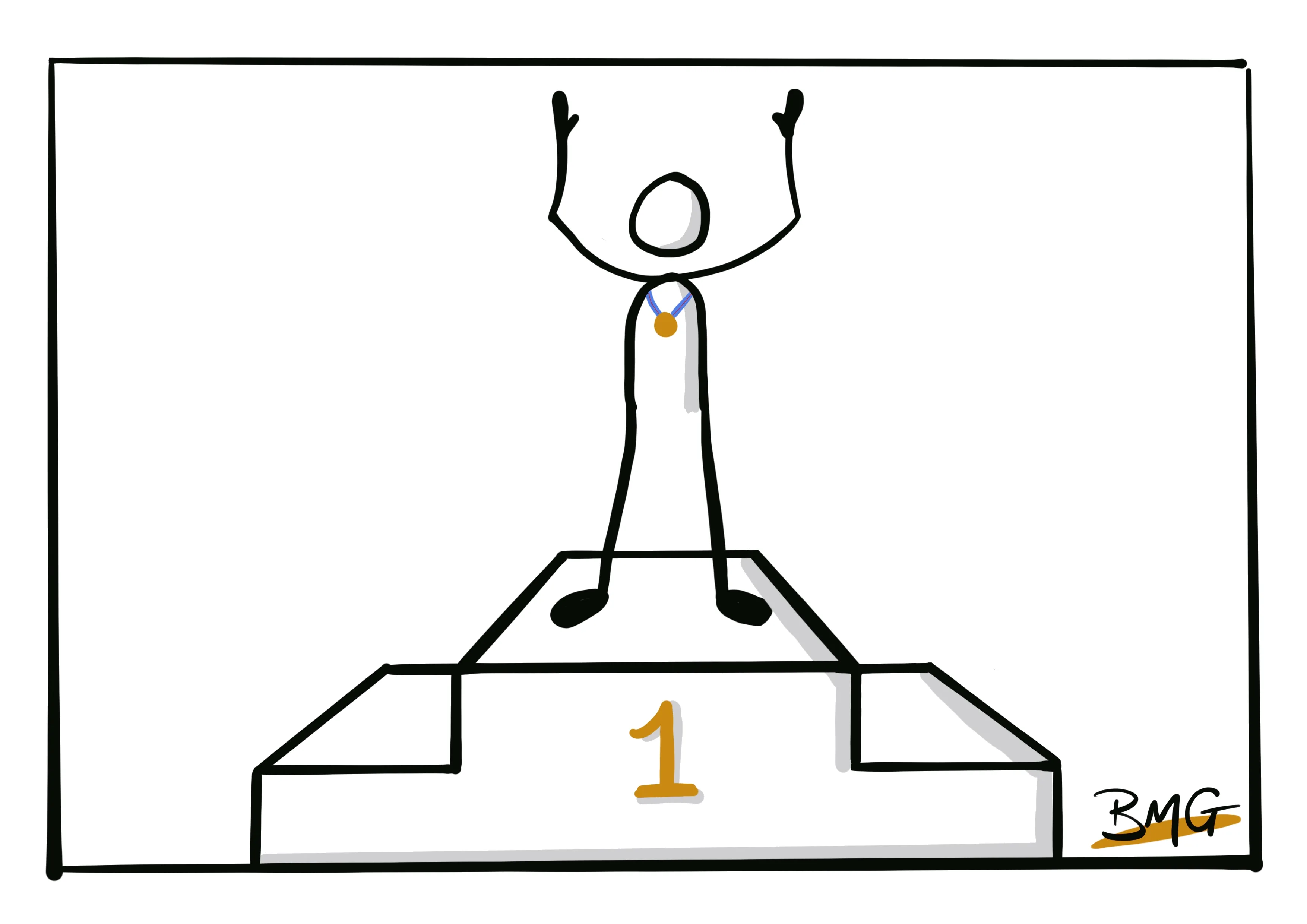
The deepest level of habit formation happens when behaviours are tied to your identity. Instead of saying, “I want to write more,” you begin to see yourself as a writer. Your actions become an extension of who you are rather than something you have to force yourself to do.
Examples of Identity-Based Habits:
“I am a person who never skips workouts.” → Leads to regular exercise
“I am a leader who prioritises clarity.” → Results in structured communication and feedback
“I am a lifelong learner.” → Encourages daily reading and skill development
How to Build Identity-Based Habits:
Shift Focus from Goals to Identity: Instead of focusing on what you want to achieve, focus on who you want to become.
Reinforce Identity with Small Wins: Each time you act in alignment with your identity, you strengthen it (e.g., writing one paragraph reinforces the identity of a writer).
Surround Yourself with People Who Embody That Identity: Environment shapes identity … being around disciplined people makes you more disciplined.
Coaching Insight: Identity-based habits create lasting change because they eliminate the internal battle. You no longer “try” to exercise or “force” yourself to work on your goals; instead, you act in alignment with your core self-image.
Putting It All Together: A Progressive Approach to Habit Building
The most effective way to build habits is to progress through the levels rather than jumping straight to identity change. Start with small, action-based habits, integrate them into a system, and then align them with your identity.
Start with an action: Drink one glass of water each morning.
Build a system around it: Create a morning routine that includes hydration, journaling, and meditation.
Reinforce identity: “I am a person who prioritises my well-being.”
By following this progression, habits become a natural part of who you are rather than something you have to constantly fight for.
Final Thoughts
Habits shape your days, and your days shape your life.
If you want to create lasting change, focus on the person you are becoming rather than what you do. Start small, build systems, and align your habits with your identity. Over time, these changes will compound into something much greater than the sum of their parts.
Think of every small habit as a seed you plant today. The more you nurture it, the deeper the roots grow. Eventually, these habits become part of the very fabric of who you are … effortless, natural, and self-sustaining.
Success is about the accumulation of consistent, identity-driven habits over time. No matter where you are in your journey, the next habit you build can be the first step toward lasting personal and professional growth.
Keep moving forward, one habit at a time.
Remember, the path to extraordinary is walked with a thousand small steps, you’re doing great!
Your Small Steps
I struggle with consistency. How can I stick to my habits?
Start with habits so small they feel effortless, and tie them to an existing behaviour (habit stacking). If you miss a day, don’t dwell on it,focus on never missing twice in a row.
How long does it take to form a habit?
Research suggests anywhere from 21 to 66 days, but what matters more is consistency. Small habits repeated daily will become automatic faster.
What should I do if I break a habit?
Identify what caused the break (lack of motivation, poor environment, etc.), adjust your system, and restart. Momentum is more important than perfection.
Can identity-based habits really change my life?
Absolutely. The way you see yourself dictates your actions. If you shift your identity, behaviours that align with that identity will naturally follow.
How can I stay motivated when forming new habits?
Focus on progress, not perfection. Celebrate small wins and remind yourself why the habit matters.
Should I track my habits?
Yes. Tracking helps reinforce consistency and gives a visual representation of progress, making it easier to stay committed.
What if I have too many habits I want to start?
Prioritise one or two at a time. Building too many habits at once can lead to overwhelm and failure.
How do I make a habit easier to maintain?
Reduce friction. Set up your environment to make the habit easier (e.g., put your workout clothes out the night before, keep healthy snacks accessible).

Barry Marshall-Graham
Executive coach and leadership advisor
Get the Difficult Conversations Guide
A practical resource for leaders who want to say the thing that needs saying, without burning bridges or avoiding the moment.
Keep reading
31 August 2026
The Sentence They Nearly Said
A pause or changed expression may lead to the useful part of a conversation, but noticing it doesn't give the coach permission to decode it.
24 August 2026
You Cannot Coach Someone You Are Secretly Judging
Second-hand information may be useful, but once it becomes a character verdict it changes the leader’s listening, questions and tone.
17 August 2026
A Good Question Can Be Badly Timed
The wording may be excellent, but a coaching question can still arrive before the relationship or the moment is ready to carry it.
10 August 2026
Whose Goal Is It Anyway?
A goal can be strategically sensible and still feel unowned. The answer is honest internalisation, not coaching somebody into believing it was their idea.
3 August 2026
The Leader Who Uses Coaching to Avoid Leading
Coaching can create room for another person to think, but it can also help a leader postpone the feedback, standard or decision that belongs to them.
27 July 2026
Advice Wearing a Hat
A coaching question can sound wonderfully curious while quietly steering somebody towards the answer their leader already prefers.
20 July 2026
The Emotional Cost of Being the Reliable One
Reliability earns trust, but it can also turn one capable leader into the place where unfinished work, uncertainty, and organisational risk accumulate.
13 July 2026
The Relief of Finally Saying the Thing
An overdue conversation occupies far more space than the words themselves. Relief begins when reality is finally allowed back into the room.
6 July 2026
The Sideways Shove
Peer conflict cannot be solved with the Manager Card. Influence begins when leaders stop pushing across borders and repair the working relationship.
29 June 2026
Clarity Under Pressure
Authority is tested when the room tightens. Clear leaders make reality, uncertainty, and the next decision visible without adding drama.